Breaking: Holiday rental owners in Spain face new property tax surcharge of up to 150%
By Tara Russell • Updated: 07 Oct 2026 • 11:20 • 3 minutes read
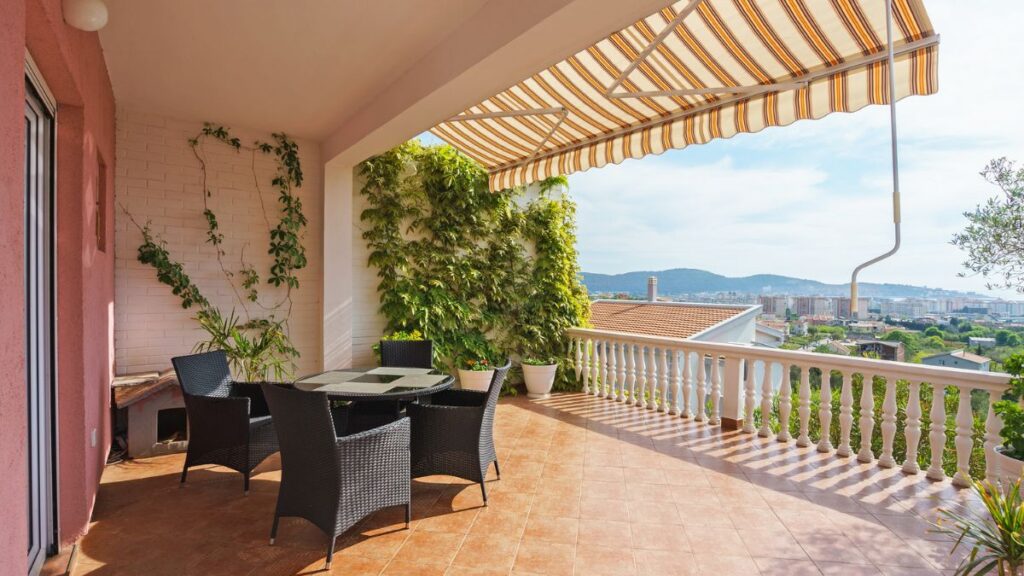
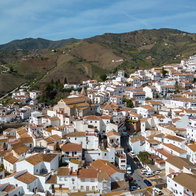
Municipal councils in officially stressed housing areas across Spain can now impose IBI property tax surcharges of up to 150 per cent on holiday rentals. Credit: Natalya Volchenkova / Shutterstock
Holiday rental owners in Spain could face a major increase in their annual property tax under new rules officially published in the BOE today, October 7, allowing some councils to impose IBI surcharges of up to 150 per cent on tourist properties.
The measure is now contained in Royal Decree Law 29/2026, published in Spain’s Official State Gazette. It allows town halls in officially declared stressed housing areas to impose additional IBI charges on residential properties being operated as tourist accommodation.
The size of the potential increase depends heavily on how many tourist properties an owner has.
Holiday rental IBI could rise by up to 150%
Under the new legislation, councils can impose an IBI surcharge of up to 50 per cent on a residential property being used as tourist accommodation.
Owners with two or more residential properties being used for tourist accommodation could face a surcharge of up to 100 per cent.
For owners with four or more, the maximum rises to 150 per cent.
The exact wording and thresholds can be checked in the Royal Decree Law published in the Official State Gazette on October 7.
For example, an owner currently paying €1,000 a year in IBI could theoretically face an additional €1,500 under the maximum surcharge, taking the total bill to €2,500.
That would only happen where all the legal conditions were met and the relevant town hall chose to impose the maximum surcharge.
Does the new tax affect your property?
This is the crucial part for foreign property owners in Spain.
The new surcharge does not automatically apply to every holiday home or second home in Spain.
The property must be residential, be officially used as tourist accommodation under the regulations of its autonomous community and be located in a municipality within an officially declared stressed residential market area.
The local council must also decide to introduce the surcharge through its municipal tax ordinance.
So owning a second home on the Costa del Sol, Costa Blanca, Costa Cálida, Almería or elsewhere does not by itself mean your IBI is increasing.
The measure specifically concerns residential properties being operated as tourist accommodation.
Why Spain is targeting tourist properties
The Government says the changes are designed to encourage residential use of housing and increase the supply of affordable homes.
The Government’s official housing measures explain that town halls will be given additional powers to increase IBI on homes used for tourist accommodation.
The Government has also introduced separate tax measures affecting short term tourist rentals, including applying 10 per cent VAT in certain circumstances.
The Government’s explanation of the wider package can be read on the official La Moncloa website.
This is not the same as Spain’s empty home surcharge
There is an important distinction for homeowners.
Spain already allows councils to impose substantial IBI surcharges on certain properties officially considered permanently vacant.
EWN previously explained when homeowners in Spain could face an IBI increase of up to 150 per cent.
The new measure published today is different because it specifically targets residential properties being operated as tourist accommodation.
That distinction is particularly important for foreign owners who have registered properties for short term holiday rentals.
When could owners have to pay?
The legislation states that the tourist accommodation surcharge will become due on December 31 and will be calculated annually by the relevant town hall.
However, councils must establish the practical and administrative details through their own tax ordinances.
That means there is no nationwide 150 per cent IBI increase suddenly being imposed on every tourist property in Spain.
Instead, owners need to watch what their individual town hall decides to do.
The Royal Decree Law also still faces parliamentary validation, meaning further political developments could affect the measures.
For foreign owners operating holiday rentals in Spain, particularly those with several properties, this is nevertheless a change worth watching closely. If their municipality qualifies and chooses to use the new powers, the additional annual cost could be substantial.
Follow Euro Weekly News on Google News
Get breaking news from Spain, travel updates, and expat stories directly on your Google News feed.
Follow on Google NewsSign up for personalised news
Subscribe to our Euro Weekly News alerts to get the latest stories into your inbox!
By signing up, you will create a Euro Weekly News account if you don't already have one. Review our Privacy Policy for more information about our privacy practices.
Tara Russell
Tara is a writer and editorial team member at Euro Weekly News, specialising in news reporting and feature writing. Born and raised in Spain, she holds a B.A. in Applied Languages and Translation Studies. With a strong background in linguistics, communication, and cross-cultural storytelling, Tara previously worked as a language teacher before transitioning to journalism and media.
Comments