France’s drought uncovers ‘Pyrenees diamonds’ as hundreds hunt for hidden treasure
By Molly Grace • Published: 11 Oct 2026 • 1:22 • 3 minutes read
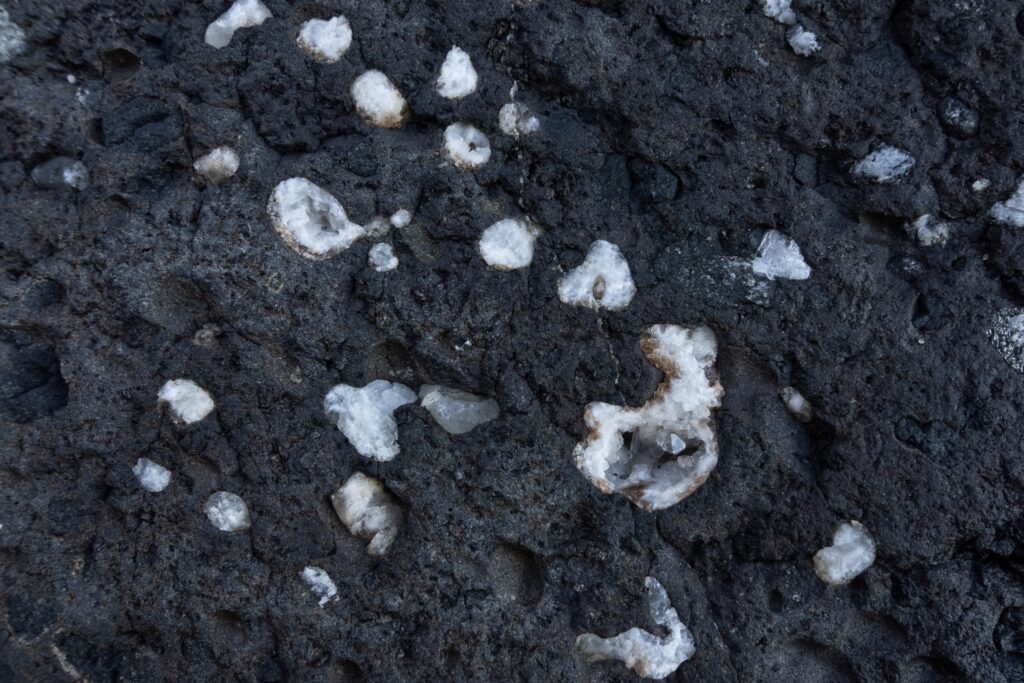
The crystals are found in the bed of the Gave de Pau. Photo credit: PixelTK/Shutterstock
A stretch of river in that usually passes unnoticed has become a tempting hunting ground for anyone hoping to uncover something extraordinary. In south-western France, falling water levels have exposed rocks hiding sparkling crystals known as the ‘diamonds of the Pyrenees’, but the rush to find them is leaving people worried about what will be destroyed in the process. The crystals are found in the bed of the Gave de Pau, a river that runs through the Pyrenees and south-west France.
Some are remarkably clear, catching the light in a way that gives them the appearance of precious gemstones. For mineral collectors, finding one can be an exciting discovery. The problem is that the river’s unusually low levels have made parts of its geological treasure much easier to reach. These are not newly formed minerals brought into existence by the drought. The crystals have been known for decades. What has changed is how accessible they have become, drawing fresh attention from curious visitors, geologists and collectors.
What makes the crystals so unusual?
The name is misleading: these are not diamonds, but exceptionally transparent crystals of calcite, a mineral made primarily of calcium carbonate. They grow inside geodes, cavities in rock lined with crystals, and can develop a clarity and sparkle that make them prized finds.
In the Gave de Pau, the geodes are concealed within poudingue, a type of sedimentary rock made up of rounded stones cemented together. Finding a specimen can therefore involve more than spotting a glint on the riverbed. The mineral is hidden inside the rock, and reaching it may mean breaking the surrounding material apart and that is where the attraction has started to cause concern.
‘A genuine pillage’ of the riverbed
Alain Le Jeanne, founder of Citoyens du Gave, a local initiative dedicated to protecting and enhancing the riverbanks, witnessed excesses near Pau in early September. He described the change in behaviour among people searching for crystals as stark. In previous years, people tended to collect small quantities; this summer, he said, there had been what amounted to a genuine pillage. Finding a loose stone is one thing; breaking into the river’s geological formations to extract the best specimens is another. The pursuit of a particularly clear crystal can leave damage behind, with the riverbed itself paying the price for a collector’s find.
The low water has made that temptation harder to resist. Rocks that would usually remain submerged are exposed, allowing searchers to reach areas that are normally less accessible. A natural feature known to mineral enthusiasts for decades has suddenly become an opportunity for a much wider range of people to hunt for specimens. The concern is not simply that the most attractive crystals might disappear into private collections. It is that the search for them can damage the formations in which they are found and disturb the riverbed that has preserved them.
A drought with an unexpected consequence
The Gave de Pau is naturally a fast-flowing river, but its water level was unusually low by the beginning of autumn following a hot, difficult summer. The exposed riverbed has made the mineral formations more visible, turning a geological curiosity into a focus of attention. There is an irony to the situation: conditions that make the crystals easier to find are also putting pressure on the place they come from. The drought has not created a new supply of ‘diamonds’. It has revealed more of an existing one, and the sudden accessibility has encouraged people to take advantage.
For anyone hoping to find one, the appeal is easy to understand. A transparent crystal pulled from an unremarkable-looking rock is a striking discovery, particularly when it comes from a river rather than a shop window. But the value of the find does not erase the cost of extracting it. The Gave de Pau’s so-called diamonds are a reminder that a river can hold geological treasures without those treasures needing to be removed. With water levels low and the formations exposed, the challenge is ensuring that the search for beautiful specimens does not leave the riverbed poorer for it.
Follow Euro Weekly News on Google News
Get breaking news from Spain, travel updates, and expat stories directly on your Google News feed.
Follow on Google NewsSign up for personalised news
Subscribe to our Euro Weekly News alerts to get the latest stories into your inbox!
By signing up, you will create a Euro Weekly News account if you don't already have one. Review our Privacy Policy for more information about our privacy practices.



Molly Grace
Molly is a British journalist and author who has lived in Spain for over 25 years. With a background in animal welfare, equestrian science, and veterinary nursing, she brings curiosity, humour, and a sharp investigative eye to her work. At Euro Weekly News, Molly explores the intersections of nature, culture, and community - drawing on her deep local knowledge and passion for stories that reflect life in Spain from the ground up.
Comments