Spanish man who rescued two baby cows now battles authorities who want them slaughtered
By Molly Grace • Published: 13 Oct 2026 • 22:59 • 3 minutes read
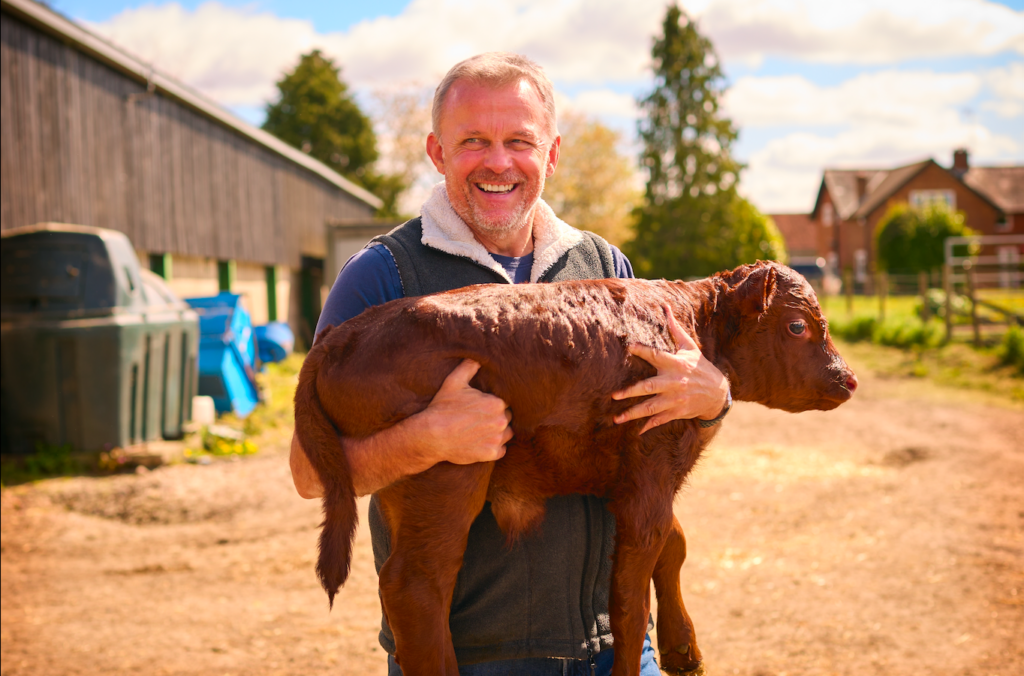
Jose Antonio can keep the cows on his property while the legal proceedings continue. Photo credit: Monkey Business Images/Shutterstock
Most people invited to lunch at a farm wouldn’t expect to leave with two newborn calves in their car. But when José Antonio Oria was visiting a friends farm in Sevilla for lunch and discovered that two cows were destined for slaughter, he offered to pay for the meat the farmer needed in exchange for taking them home.
Around two years later, the two cows he raised as pets are at the centre of a legal battle that could determine whether they get to stay with him. Jose Antonio took the calves to his 14-hectare property in Lepe, Huelva, where he raised them by bottle-feeding them as they grew. Their veterinarian named them Tiberia 1 and Tiberia 2. Jose Antonio has also said that contact with the animals, including walking alongside and stroking them, has been recommended for some of his ailments.
But despite registering the cows as companion animals, Jose has faced an order from the Junta de Andalucía demanding their compulsory slaughter. A court in Huelva has now temporarily allowed him to keep them while the legal proceedings continue, although their long-term future remains uncertain.
Why the Junta wants the cows slaughtered
The Junta de Andalucía’s Department of Agriculture, Fisheries, Water and Rural Development had sought the compulsory slaughter of the two animals, without compensation for their owner. The regional government raised concerns about their identification and the potential transmission of diseases, including brucellosis and tuberculosis, which can pose risks to other animals and, in some circumstances, people. Jose Antonio challenged the order, arguing that the cows had been registered as companion animals and should be allowed to remain on his property.
His legal team provided documentation showing that Tiberia 1 and Tiberia 2 were entered in the regional companion animal identification register on 12 November 2025 and had their own passports. The animals’ identification was also checked by technicians from Andalucía’s Agricultural and Fisheries Management Agency in March this year, who confirmed that their microchips could be read correctly.
The dispute therefore centres not simply on whether the animals have been registered, but on whether that registration satisfies the legal requirements and overrides the grounds for the original administrative order.
Spanish law does allow cows to become pets
Spain’s Animal Welfare Law, Law 7/2023, provides a route for animals normally kept for production to become companion animals. Article 3 states that production animals can be considered companion animals when they lose their productive purpose and their owner chooses to register them in the relevant companion animal register. That means cattle are not automatically excluded from being pets simply because they are traditionally raised for agricultural purposes.
However, the law does not mean that anyone can simply declare any farm animal a pet and ignore the rules governing its identification, welfare or health. The animal must meet the applicable legal requirements, and registration does not necessarily resolve separate concerns raised by the authorities.
In Jose Antonio’s case, his defence relies on the fact that both cows have been registered and identified. The Junta, meanwhile, has maintained its objections, making the legal status of the animals a matter for the courts to determine.
The cows must remain on the property
The latest ruling, issued by a court in Huelva on October 7, allows Jose to keep the cows on his property while the legal proceedings continue. The regional government had pursued the case after an earlier decision by the High Court of Justice of Andalucía in June 2026 provisionally suspended the slaughter order.
The new ruling means the animals can remain at Jose Antonio’s finca, but they must stay there while proceedings continue. They cannot simply be moved elsewhere, and the decision is not a final judgement on their permanent status as companion animals. For now, the two Tiberias have avoided the immediate threat of slaughter. Their future will depend on the outcome of the legal proceedings, which will determine whether their owner can continue keeping them as pets under Spanish law.
Follow Euro Weekly News on Google News
Get breaking news from Spain, travel updates, and expat stories directly on your Google News feed.
Follow on Google NewsSign up for personalised news
Subscribe to our Euro Weekly News alerts to get the latest stories into your inbox!
By signing up, you will create a Euro Weekly News account if you don't already have one. Review our Privacy Policy for more information about our privacy practices.





Molly Grace
Molly is a British journalist and author who has lived in Spain for over 25 years. With a background in animal welfare, equestrian science, and veterinary nursing, she brings curiosity, humour, and a sharp investigative eye to her work. At Euro Weekly News, Molly explores the intersections of nature, culture, and community - drawing on her deep local knowledge and passion for stories that reflect life in Spain from the ground up.
Comments