Spain’s minimum wage could rise to €1,306 in 2027 under new union demands
By Farah Mokrani • Published: 14 Oct 2026 • 21:56 • 3 minutes read
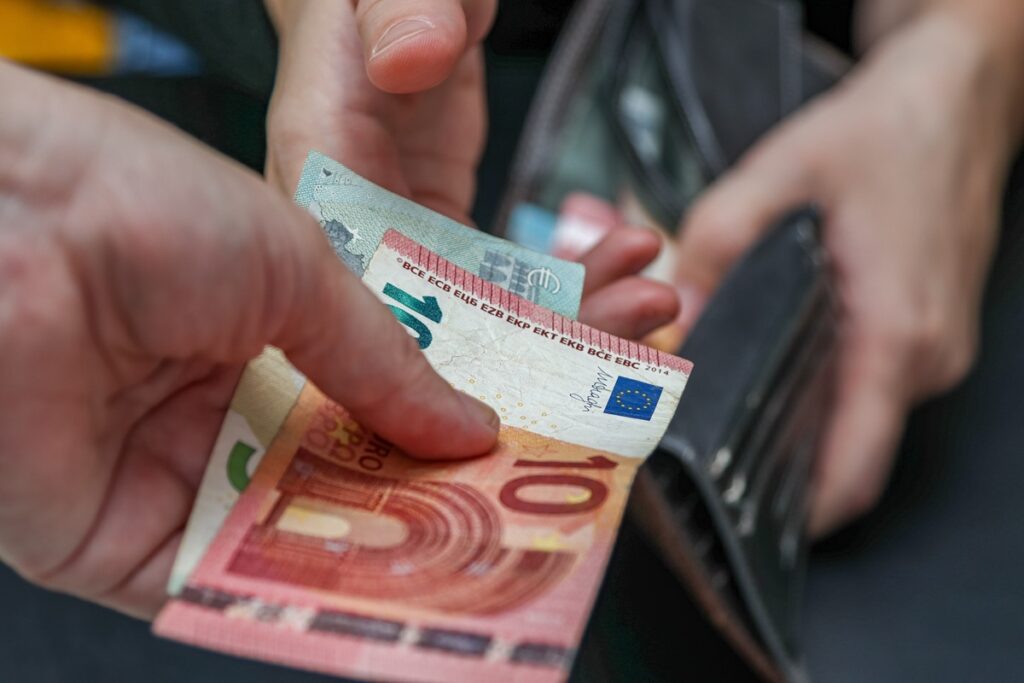
Spain’s minimum wage could rise to €1,306 in 2027. Credit : Alex Malt, Shutterstock
If Spain’s two largest trade unions get their way, workers earning the minimum wage could receive nearly €1,200 more a year in 2027. The proposed increase would push the monthly minimum above €1,300 for the first time, as rising prices continue to put pressure on household budgets.
On October 13, UGT and CCOO demanded a minimum wage increase of at least 7 per cent for 2027, arguing that workers need a substantial pay rise to recover purchasing power lost to inflation.
The proposal would raise the minimum wage from €1,221 to approximately €1,306 gross per payment, based on Spain’s standard system of 14 annual payments. However, the increase has not yet been approved by the government.
How much could Spain’s minimum wage increase in 2027?
The proposal made by the UGT and CCOO on this matter is that Spain’s minimum wage, known as the Salario Mínimo Interprofesional (SMI), would increase by about 85.50 € per month.
Under the unions’ proposal, the minimum wage would rise from €1,221 to approximately €1,306 gross per payment, based on 14 annual payments.
In the case of employees who have their pay increase spread over 12 monthly instalments, the proposed increase would mean a gross monthly salary of about €1,524 instead of 1,424.50.
For example, a minimum-wage worker who works full-time would receive almost €100 more on their monthly pay packet under the 12-payment system.
These figures do not take into account the deductions for taxes and social security contributions. The real rise in take-home pay will depend on the circumstances of each worker.
The present minimum wage was determined by Royal Decree 126/2026. It raised the minimum wage by 3.1 per cent for 2026.
This increase of €37 added to the former monthly minimum salary was not, however, sufficient, according to the unions, to protect the workers from the rise in prices.
That means that the seven percent increase would be more than double the percentage increase introduced this year.
Why are Spanish unions demanding a 7% pay rise?
The demand comes amid the high cost of living, and in particular the cost of housing, a very important part of which falls on workers with lower incomes.
On October 13th, at a joint press conference, the UGT General Secretary, Pepe Álvarez, and CCOO leader Unai Sordo, argued that wages should increase much faster to ensure that the workers’ purchasing power was not weakened.
According to Agencia EFE, Álvarez said the proposed increase takes into account the gap between the 3.1 per cent minimum wage rise approved earlier this year and subsequent inflation.
The unions consider that an increase of at least seven per cent would help compensate for that difference, as well as protecting them from further rises in prices.
Their demands also extend beyond the minimum wage. Pay rises, according to CCOO, must increase from 4 to 7 per cent, arguing that wages across the Spanish economy must better reflect the rising cost of everyday essentials.
A further great problem is that of housing; it is not uncommon for people with wages above the minimum to find it difficult to pay their rent, especially in areas where property prices have risen sharply.
It is a proposal of interest to British people who work in Spain, especially in hospitality, tourism, retail or lower-paid areas.
The minimum wage applies to eligible employees regardless of nationality, although the amount a worker receives depends on factors including working hours and contractual arrangements.
This communication precedes the general strike, planned for 11 November, organised by the UGT and CCOO over demands concerning wages, housing and prices.
The minimum-wage demand is now included in these more general demands, but the strike does not determine whether or not the government will grant the requested increase.
When could Spain’s new minimum wage be approved?
Workers, whatever the figures are, should not expect an immediate change in their wages.
The Spanish Government has begun preparations for the next revision of the minimum wage, with its advisory council of experts having been instructed to study the rate of increase appropriate to 2027.
Labour Minister Yolanda Díaz asked the committee to study how to protect purchasing power against inflation.
According to RTVE, the government intends to approve the next minimum wage before elections due on November 29. The increase has not yet been decided, and the government’s eventual decision may vary from the seven per cent demanded by the unions.
The minimum wage is set by the government after consultations with the unions and employers’ associations. Agreement between all parties is not legally required for a new minimum wage to be set. Any change which might be approved must be formalised by legislation and published in Spain’s Official State Gazette, the BOE.
For the moment the statutory minimum wage continues at € 1,221 gross in fourteen instalments, or € 17,094 a year for a full-time worker. But whether it goes to something like €1,306 in 2027 will depend on the outcome of the forthcoming negotiations.
Follow Euro Weekly News on Google News
Get breaking news from Spain, travel updates, and expat stories directly on your Google News feed.
Follow on Google NewsSign up for personalised news
Subscribe to our Euro Weekly News alerts to get the latest stories into your inbox!
By signing up, you will create a Euro Weekly News account if you don't already have one. Review our Privacy Policy for more information about our privacy practices.


Farah Mokrani
Farah is a journalist and content writer with over a decade of experience in both digital and print media. Originally from Tunisia and now based in Spain, she has covered current affairs, investigative reports, and long-form features for a range of international publications. At Euro Weekly News, Farah brings a global perspective to her reporting, contributing news and analysis informed by her editorial background and passion for clear, accurate storytelling.
Comments