The foods older shoppers in Spain buy more than everyone else
By Harry Dennis • Published: 14 Oct 2026 • 12:53 • 3 minutes read
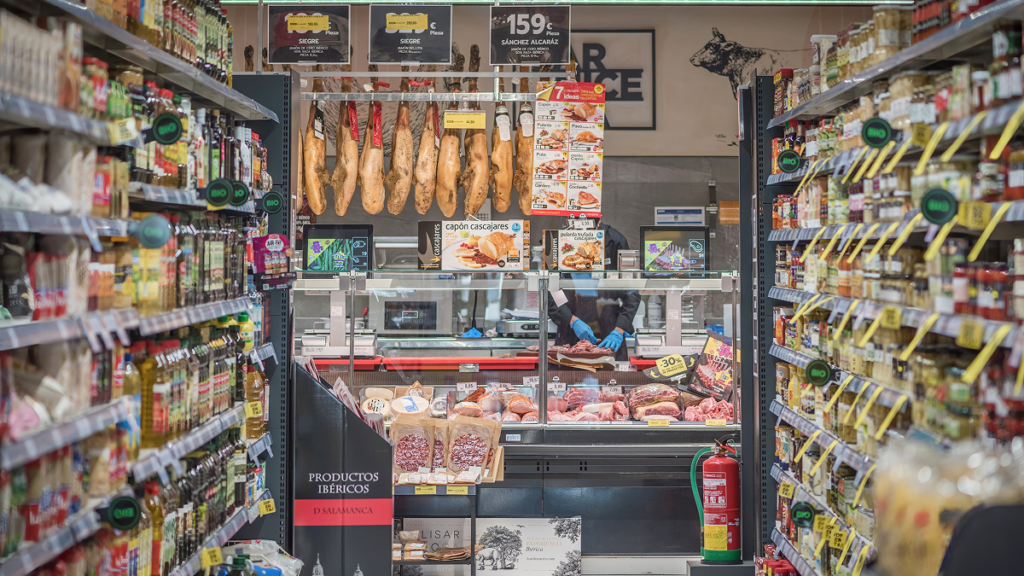
Older households in Spain still buy more wine, tins and cured meats than anyone else. Credit: Alexandre Rotenberg / Shutterstock
Older households in Spain are still filling their trolleys the same way they always have: with wine, tinned fish and jamón. Yet the snacks and ready meals that would usually crowd the average younger person’s fridge barely get a look in. Data from 12,000 homes suggests those habits were established decades ago, and they aren’t changing with the times.
Wine, tins and cured meats fill the older trolley
Think back to what went into the trolley on your last big shop. If it included a bottle of red, a few tins of mussels or tuna and a packet of chorizo, you’re in good company, as those are exactly the products households of people in their sixties in Spain buy more of than anyone else.
“These homes buy more drinks, more preserves and more cured meats than average,” said Marta Cerón of market research firm Nielsen, after looking at a panel of 12,000 households from across the country. Coffee, sugar, olives and sobrasada made her list too.
The government’s own figures also tell a similar story. The Ministry of Agriculture’s annual food consumption report found that in 2025, salt cod, spirits, extra virgin olive oil, cured ham, fresh fish, red wine and fresh bread all took up a bigger share of the shopping in over-50 and over-65 households than the national average.
Younger homes buy more ready meals and snacks
That doesn’t mean older shoppers eat worse, though. Research showed that snacks, ketchup, ready meals, biscuits, sauces and packaged sliced bread are all more likely to turn up in the average younger person’s fridge than in an older household’s.
Part of the reason is quite straight forward, as most older shoppers no longer have children living at home, so there’s less need for the snacks, biscuits and sauces that families tend to buy for them. However, the bigger factor is the way people have eaten their whole lives in Spain, and those habits are hard to shake.
Food systems expert Yvonne Colomer pointed to a well-known line from the late Spanish nutritionist Francisco Grande Covián: “It’s easier to change religion than to change your eating habits.”
Why habits from the 1980s still shape the weekly shop
Wine is the best example. Spain is a huge producer, and when today’s over-60s were young, eating out was far less common, so celebrations happened largely at home. “We’ve had a boom in terraces and bars, but that wasn’t the case in the 80s and 90s,” Colomer said. Drinking was also more widely accepted, even behind the wheel, with a looser drink-drive limit than today’s, which Spain is now looking to cut even further.
Paqui, a 65-year-old retiree from Logroño, keeps two fridges, a pantry and a chest freezer at home, with tinned vegetables, chickpeas, lentils and mussels stored alongside cured cheese, salchichón, chorizo and jamón ibérico, ready to bring out when friends come round for dinner.
Retired secondary school teachers Mari Ángeles and Miguel Ángel used to save their aperitivo (a pre-lunch drink with nibbles) for the weekend. Since he retired, it’s become a daily ritual, with crisps, mussels, tuna in oil and pickles always on the table. “Now it seems we can’t go a single day without our aperitivo,” Mari Ángeles said.
Older shoppers stay loyal to the brands they grew up with
Today’s over-60s became adults just as hypermarkets spread across Spain and private TV channels arrived, bringing a flood of adverts with them. So it’s no surprise they’re more loyal to big brands than average. “Young people buy more supermarket-branded items than older people,” said Joan Riera, food director at Kantar.
It shows in where they shop too. Mercadona is Spain’s biggest supermarket, with nine in 10 shoppers buying something there, yet it takes a smaller share of older households’ spending, and so do discounters Lidl, Aldi and Dia. Instead, El Corte Inglés, Alcampo and regional chains including Eroski, Ahorramás, Consum and Gadisa carry more weight, with Marta Cerón, of market research firm Nielsen, noting they’re classic chains with a wider range of brands.
Salmon tells the story the other way round, though. Once seen as a luxury, it’s now on every supermarket shelf, and the over-65s who used to think of it as out of reach now buy more of it than anyone else.
Today’s under-35s are already forming their own habits
New trends do reach older generations, just more slowly. Ready meals are gradually finding their way into older homes, and Riera expects the wider shift to carry on. “As a society we’re eating less fresh food. We cook less and turn more to restaurants or ready meals. And that, like drinking less alcohol, sushi or protein, ends up reaching everyone,” he said. “If you ate ready-made salad when you were young, you’ll carry it with you.”
So today’s under-35s, who already buy more long-grain rice, plant-based milks and proteins, frozen fruit and iced tea drinks than anyone else, could likely be filling their own fridges with the same things in 30 years’ time.
Follow Euro Weekly News on Google News
Get breaking news from Spain, travel updates, and expat stories directly on your Google News feed.
Follow on Google NewsSign up for personalised news
Subscribe to our Euro Weekly News alerts to get the latest stories into your inbox!
By signing up, you will create a Euro Weekly News account if you don't already have one. Review our Privacy Policy for more information about our privacy practices.




Harry Dennis
Born in the UK and raised on the Cádiz coast, Harry brings his background in design, music, and photography to his writing for Euro Weekly News, sharing stories that celebrate culture and lifestyle across Spain and beyond.
Comments