The €4,000 cost of getting around Spain is putting jobs out of reach
By Molly Grace • Published: 15 Oct 2026 • 23:53 • 3 minutes read
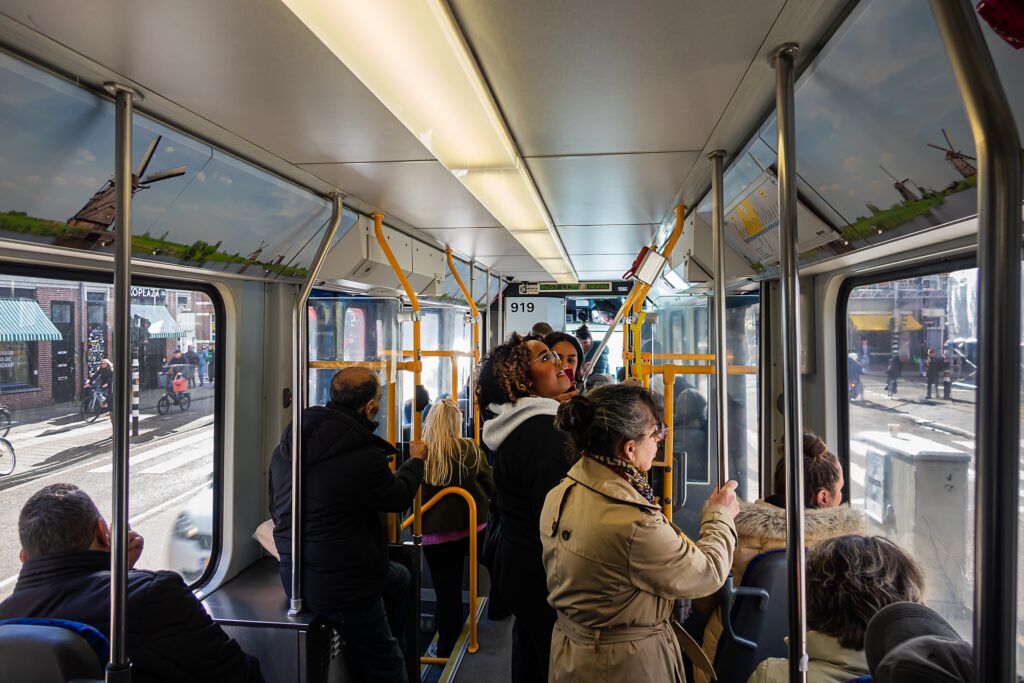
owning a car can be a necessity rather than a choice. Photo credit: Kiev.Victor/Shutterstock
For some people in Spain, getting to work, taking children where they need to go or reaching essential services comes with a bill they cannot easily escape. The average household now spends €4,020 a year on transport, and cutting back is not always an option when daily life depends on being able to get from A to B.
The figure is up from €3,158 in 2015, an increase of €862 over a decade. Transport accounts for 11.5% of household spending, according to a report by EAE Business School published on Thursday, October 15. Its findings highlight the growing problem of transport poverty, where people cannot afford to travel or lack access to reliable public transport, making it harder to reach work and essential services.
Where you live can determine how much you pay
The biggest divide is between people who have several ways to travel and those who depend on a car. In municipalities with fewer than 10,000 residents, 73.5% of people rely primarily on cars, compared with 29.6% in larger towns and cities. Public transport shows the opposite pattern. In the most populated municipalities, 48.8% of residents use it as their main means of getting around. In smaller municipalities, the figure falls to just 10.9%, according to the EAE report.
For people living in areas with limited bus or rail connections, owning a car can be a necessity rather than a choice. Fuel, insurance, maintenance and other running costs are difficult to avoid when there is no practical alternative for getting to work, shopping or appointments. That leaves some people with an awkward choice: absorb the expense or travel less. Spending less on transport does not necessarily mean someone is better off. It may mean turning down work, missing appointments or giving up journeys they need to make.
A cheaper home can mean a more expensive commute
Housing decisions can add to the problem. A property outside a town or city may cost less to rent or buy, but the saving can shrink when the journey to work requires a car every day. The report warns that poor transport connections can make a job financially inaccessible even when the salary looks attractive. Distance and the available transport options matter alongside income when calculating whether taking a job is worthwhile.
This can leave people with fewer choices about where they live and work. Someone may spend less on housing but more on getting to employment, while a person without reliable transport may struggle to reach jobs in the first place. Miguel Ángel López Gómez, an EAE Business School professor and author of the report, argues that transport should be seen not simply as another household expense, but as the price people pay to reach work, services and opportunities.
Transport costs can also push up prices
The impact does not stop at household budgets. Spain relies heavily on road transport to move goods, and the report puts road freight activity at 272 billion tonne-kilometres, around 15% of the EU total. Food, agriculture, construction, manufacturing, retail, distribution and tourism all depend on goods being moved around the country.
When transport and logistics become more expensive, businesses can face higher operating costs, which may feed through into the prices customers pay. The pressure can therefore reach people who are not making long commutes as well as those who rely on a car every day.
Transport costs put jobs and essential services out of reach
The cost of getting around leaves people in poorly connected areas with fewer options. Those who can rely on public transport have an alternative to paying for a car, while others face the expense of fuel, insurance and maintenance simply to get to work or reach essential services. For people on lower incomes, those costs can make everyday journeys harder to afford and job opportunities more difficult to access.
EAE calls for better mobility alternatives, particularly for people on lower incomes, those travelling longer distances and households heavily dependent on private vehicles. The figures suggest that access to transport is about more than the cost of a journey: it can determine which jobs people can accept, which services they can reach and how much choice they have over where to live.
Follow Euro Weekly News on Google News
Get breaking news from Spain, travel updates, and expat stories directly on your Google News feed.
Follow on Google NewsSign up for personalised news
Subscribe to our Euro Weekly News alerts to get the latest stories into your inbox!
By signing up, you will create a Euro Weekly News account if you don't already have one. Review our Privacy Policy for more information about our privacy practices.




Molly Grace
Molly is a British journalist and author who has lived in Spain for over 25 years. With a background in animal welfare, equestrian science, and veterinary nursing, she brings curiosity, humour, and a sharp investigative eye to her work. At Euro Weekly News, Molly explores the intersections of nature, culture, and community - drawing on her deep local knowledge and passion for stories that reflect life in Spain from the ground up.
Comments