34 Málaga towns face severe earthquake risk under Spain’s new warning guide
By Molly Grace • Published: 21 Oct 2026 • 22:57 • 2 minutes read
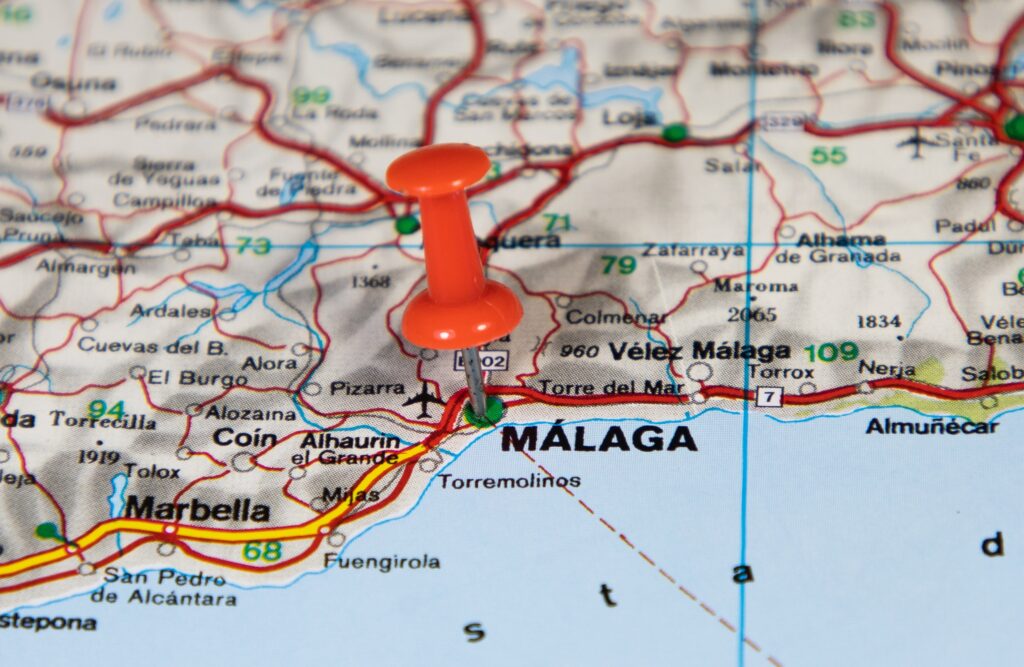
The classification uses the European Macroseismic Scale. Photo credit: Sebastian_Photography/Shutterstock
Residents in Málaga province could be living in areas where earthquake shaking capable of severely damaging buildings is considered possible. A new national civil protection guide places 34 municipalities in the province in its highest seismic hazard category, while requiring all 103 local councils to prepare plans for dealing with an earthquake.
The updated directive was published in Spain’s Official State Gazette (BOE) on 10 October 10, replacing the previous framework dating from 1995. It is based on seismic hazard studies by Spain’s National Geographic Institute (IGN), not a prediction that an earthquake is about to happen.
Which Málaga towns are on the highest-risk list?
The thirty-four municipalities are concentrated largely in the Axarquía, the area around Antequera and Málaga city itself. Several are popular with international residents and visitors, particularly along the eastern Costa del Sol.
The official list includes:
- Málaga city
- Axarquía and eastern Costa del Sol: Nerja, Torrox, Vélez-Málaga, Algarrobo, Frigiliana, Cómpeta, Canillas de Aceituno, Canillas de Albaida, Alcaucín, Almáchar, Benamargosa, Árchez, Arenas, Cútar, El Borge, Periana, Riogordo, Salares, Sayalonga, Sedella and Viñuela.
- Northern and inland Málaga: Antequera, Archidona, Alfarnate, Alfarnatejo, Casabermeja, Colmenar, Comares, Villanueva de Algaidas, Villanueva de la Concepción, Villanueva de Tapia, Villanueva del Rosario and Villanueva del Trabuco.
The list includes towns inland as well as coastal destinations. However, the western Costa del Sol resorts of Marbella, Fuengirola, Benalmádena, Torremolinos and Estepona do not appear in this highest-hazard category. That does not mean those towns are exempt from earthquake planning. They are among the municipalities covered by the wider provincial classification.
All 103 municipalities must prepare for earthquakes
The new directive places every municipality in Málaga province in the category where earthquake shaking of intensity VII or higher is considered possible under the assessment used for civil protection planning. That means all 103 local councils must prepare and implement local earthquake response plans within a maximum of four years.
The plans are intended to help authorities organise emergency services, assess damage, protect residents and coordinate the response if a significant earthquake occurs. For people living in the province, this is important. The 34 towns are in the higher category, where shaking of intensity VIII or above is considered possible. The other municipalities remain within the wider earthquake-planning framework.
What does ‘severely damaging’ actually mean?
The classification uses the European Macroseismic Scale, which measures the effects of an earthquake on people, buildings and the surrounding environment. Intensity VIII is described as severely damaging. Depending on the construction and condition of buildings, shaking at this level can cause substantial structural damage. Intensity VII, used for the wider planning category, can also cause damage.
The assessment uses a 475-year return period, equivalent to a 10 per cent probability of the specified ground motion being exceeded over 50 years. It does not mean an earthquake happens once every 475 years, or that one is due to strike a particular town. The guide is a tool for planning and reducing risk, not a forecast of the next earthquake.
What happens next?
Local authorities must use the updated classification to prepare for a potential earthquake, including how they would alert the public, coordinate emergency responders, assess damaged buildings and protect people who may need assistance. For residents, the practical benefit of these plans will depend on how effectively they are developed and put into practice.
Knowing which services would respond, how emergency information would be communicated and where assistance would be available could make a difference if a serious earthquake occurred. The new directive does not mean residents should expect an earthquake in the near future. It means local councils have a formal responsibility to plan for the possibility.
Follow Euro Weekly News on Google News
Get breaking news from Spain, travel updates, and expat stories directly on your Google News feed.
Follow on Google NewsSign up for personalised news
Subscribe to our Euro Weekly News alerts to get the latest stories into your inbox!
By signing up, you will create a Euro Weekly News account if you don't already have one. Review our Privacy Policy for more information about our privacy practices.





Molly Grace
Molly is a British journalist and author who has lived in Spain for over 25 years. With a background in animal welfare, equestrian science, and veterinary nursing, she brings curiosity, humour, and a sharp investigative eye to her work. At Euro Weekly News, Molly explores the intersections of nature, culture, and community - drawing on her deep local knowledge and passion for stories that reflect life in Spain from the ground up.
Comments