Grief and Loss: A Doctor’s Personal Reflection on Bereavement
By Dr Marcus Stephan • Published: 21 Oct 2026 • 13:41 • 2 minutes read
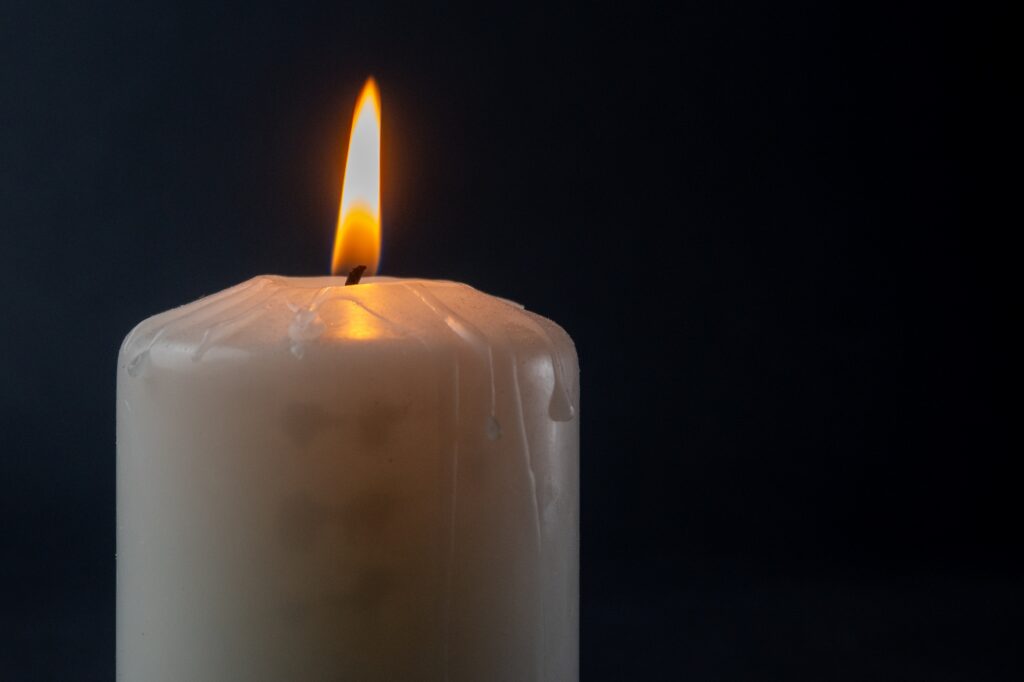
Grief is deeply personal. Credit: Mehes Daniel/Shutterstock.
Last week, I watched my mother die from heart failure. I was with her, and I know she didn’t suffer. After more than 35 years in medicine, and having witnessed many deaths, I thought I understood the process. But there is a world of difference between witnessing death professionally and experiencing it as a son. I felt truly and utterly helpless.
We spend much of our lives preparing for things we hope will never happen, yet nobody can truly prepare us for the loss of someone we love. Grief is deeply personal, unpredictable, and something for which no amount of medical knowledge provides immunity.
When professional knowledge isn’t enough
As a doctor, I understood the physiology of what was happening. I knew why her heart was failing and what that meant. I could recognise the signs that her life was coming to an end. But understanding the science doesn’t equip or prepare you to deal with the emotions. There is no textbook that adequately explains what happens to you when someone who has been part of your life for as long as you can remember is suddenly no longer there.
We often talk about the stages of grief, as though bereavement were a journey with clearly marked signposts. In reality, it is far less predictable. Sadness, relief that a loved one is no longer suffering, guilt, anger and even moments of ordinary happiness can coexist. There is no correct way to grieve, no timetable to follow and certainly no deadline by which we should feel better.
Perhaps the most important lesson is that we should allow ourselves, and others, to grieve in their own way. We are often uncomfortable around bereavement. We struggle to find the right words, sometimes offering platitudes when what is really needed is simply our presence. We don’t have to fix someone’s grief. Sometimes, listening is enough.
I know my mother didn’t suffer, and that brings me comfort. But knowing that doesn’t mean I won’t miss her. Both things can be true at the same time.
We talk a great deal about living well, and rightly so, but we are less comfortable talking about dying and what comes afterwards for those left behind. Perhaps we should be more open about both. Death is an inevitable part of life, but learning how to live with the absence of someone we love is a very different challenge.
I have spent much of my professional life trying to explain medical science in a way that helps people understand what is happening to them. This time, the lesson is rather more personal. We cannot always prevent suffering, nor can we protect ourselves from loss. I can honestly say I wasn’t brought up to show emotion, and I’m finding this very hard. But we can be present, we can care, and we can give ourselves permission to feel whatever we feel.
Sometimes, even after a lifetime of knowledge, we have to learn all over again what it means to be human.
Follow Euro Weekly News on Google News
Get breaking news from Spain, travel updates, and expat stories directly on your Google News feed.
Follow on Google NewsSign up for personalised news
Subscribe to our Euro Weekly News alerts to get the latest stories into your inbox!
By signing up, you will create a Euro Weekly News account if you don't already have one. Review our Privacy Policy for more information about our privacy practices.



Dr Marcus Stephan
With a career spanning more than 35 years in both the UK and internationally, Dr Marcus' passion lies in empowering individuals through knowledge, enabling them to care for themselves and others. He simplifies the science behind medicine by removing unnecessary jargon, explains common health conditions, and shares updates on the latest advances and developments in medicine.
Comments