Japan banking crisis hits 128 banks. Could Europe be next?
By Nazario Rodriguez • Published: 06 Nov 2026 • 23:23 • 2 minutes read
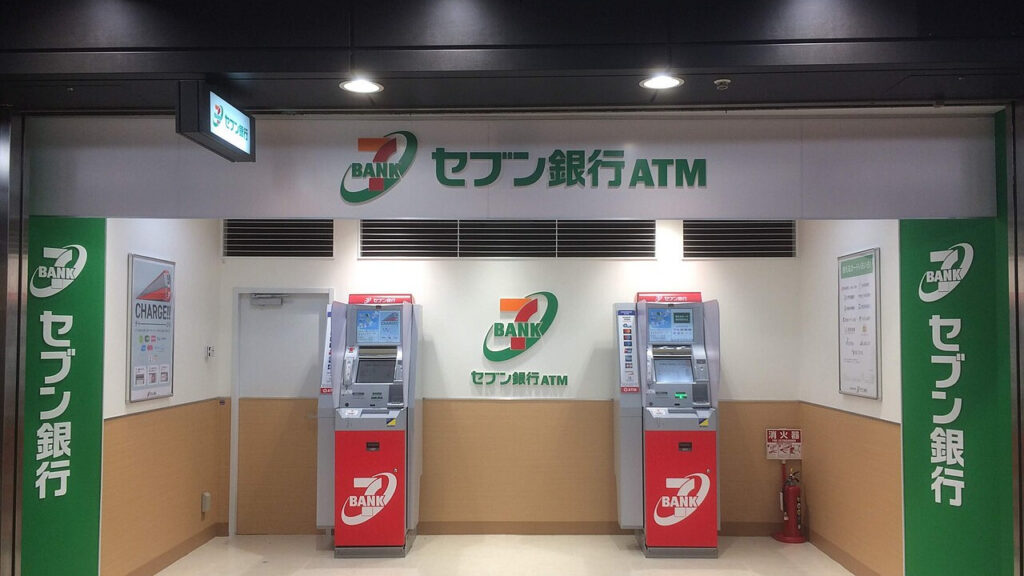
Cash machines at a Seven Bank ATM location in Osaka, Japan. A technical failure disrupted services at 128 Japanese banks on November 6. Photo: Rebirth10 / Wikimedia Commons / CC BY SA 4.0.
Customers across Japan were left struggling to access their money on Friday, November 6, after a major system failure disrupted 128 banks. The breakdown came just as a separate cyberattack put the personal details of more than 320,000 people at risk, leaving Japan’s financial sector facing two very different problems in the same week. With banks across Europe relying heavily on digital technology, the incidents raise an uncomfortable question for customers in Spain and Britain: could it happen here?
Hackers gain access to personal details of 320,000 bank customers
The scale of the cyberattack is worrying, but the type of information involved makes it particularly serious. Japan’s SMBC Consumer Finance confirmed on November 5 that hackers had accessed its loan guarantee system, potentially exposing the details of 320,118 customers across 15 financial institutions. Names, home addresses, telephone numbers, driving licence details, employment records and annual salaries may have been compromised, giving fraudsters information they could exploit for identity theft or convincing financial scams. One affected institution, Docomo SMTB Net Bank, said up to 122,635 of its customers were involved, although no further financial harm had been confirmed at the time. The breach comes as Japan confronts a wider wave of cyber threats, with the government announcing a €55 million security package to strengthen national defences, as reported by Associated Press.
128 Japanese banks hit by major system failure
Friday’s banking disruption was a separate problem, but one that exposed another weakness in the financial system. An equipment malfunction at a shared network centre affected 128 Shinkin banks, which serve local communities and smaller businesses across Japan. The failure began around 1.30pm, interrupting cash withdrawals, transfers and branch transactions before services were restored shortly after 7pm. Authorities confirmed that it was not a cyberattack, and there is no evidence linking the breakdown to the SMBC breach. Nevertheless, the incident demonstrated how problems in shared technology can quickly spread across numerous banks.
Could Europe’s banks face the same disruption?
Japan’s experience has particular relevance for customers in Spain and Britain, where banking increasingly depends on digital networks and outside technology providers. A major failure affecting one of these systems could disrupt everyday transactions across multiple institutions, even without hackers being involved. The European Central Bank’s work on cyber resilience reflects growing recognition that protecting banking infrastructure is as important as safeguarding the money and personal information it handles.
The developments also come amid wider concerns about threats to essential infrastructure in Europe, explored in Euro Weekly News’ investigation into hybrid warfare and cyberattacks. There is no evidence connecting Japan’s banking problems to those European incidents, but the events offer a reminder of how vulnerable everyday services can become when the technology supporting them fails. For millions of people who rarely carry cash and rely on their bank accounts for almost everything, even a few hours without access to their money could cause serious disruption.
Follow Euro Weekly News on Google News
Get breaking news from Spain, travel updates, and expat stories directly on your Google News feed.
Follow on Google NewsSign up for personalised news
Subscribe to our Euro Weekly News alerts to get the latest stories into your inbox!
By signing up, you will create a Euro Weekly News account if you don't already have one. Review our Privacy Policy for more information about our privacy practices.





Nazario Rodriguez
I’ve worked in news media for over 10 years, previously as Production Manager at Euro Weekly News, and I now focus on audience strategy and content performance. I specialise in understanding what readers engage with and shaping content that serves them well.
Comments