Monkey dust warning in Spain as Barcelona hospital treats 130 people in 2026
By Lucy Ramnought • Published: 12 Nov 2026 • 12:19 • 2 minutes read
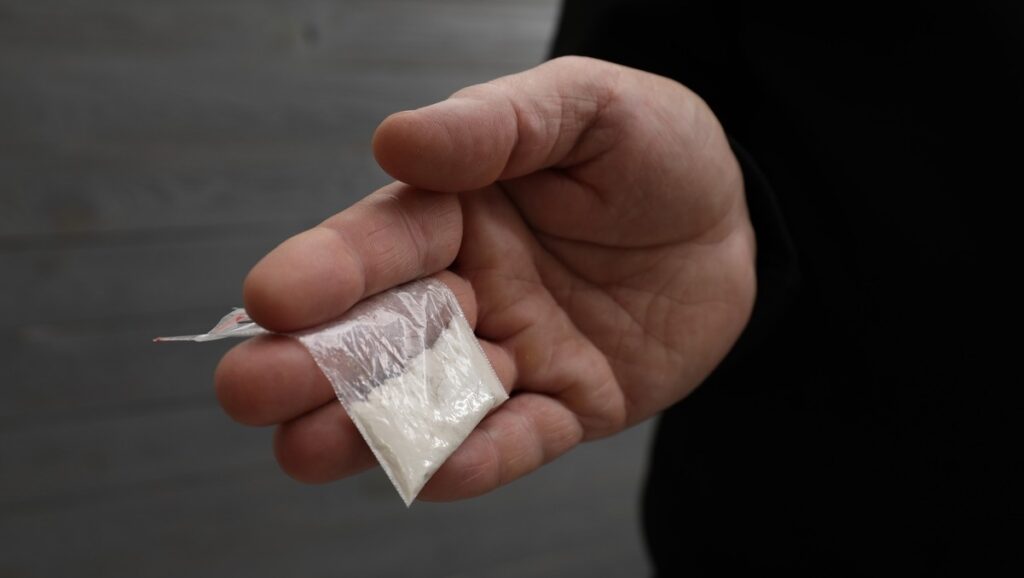
Monkey dust or Monkey powder is on the rise Credit: New Africa/shutterstock
Doctors are raising the alarm over a highly addictive synthetic drug after cases at a Barcelona hospital increased almost fivefold since 2024, with concerns about its spread into other parts of Spain.
A dangerous street drug is causing growing concern among Spanish doctors after the number of people treated for monkey dust or monkey powder intoxication at a Barcelona hospital reached 130 during 2026.
Hospital Clinic recorded 28 cases in 2024, rising to 49 in 2025 before reaching 130 this year, according to figures reported by Catalan broadcaster 3Cat on November 10.
Dr Emilio Salgado, head of the hospital’s toxicology department, described the increase as one of the most concerning developments he had witnessed during his decade working in the field.
What is monkey dust and why is it dangerous?
Known in Spain as ‘polvo de mono’, monkey dust is a street name for a synthetic stimulant belonging to the cathinone family. Products sold under this name can contain different chemical compounds, making their effects difficult to predict.
The drug produces stimulant effects similar to methamphetamine and can increase energy, euphoria and sexual stimulation. However, doctors are particularly concerned about its addictive potential and the risk of serious psychiatric complications.
Dr Salgado warned that patients can develop severe agitation and psychosis, sometimes requiring not only emergency medical treatment but also long-term psychiatric care.
Consumption alongside other substances adds to the risks, making the effects harder to anticipate.
Why is monkey dust becoming more common?
One possible explanation is a shortage of methamphetamine in the illegal drug market. Mireia Ventura, head of analysis at Spanish drug-checking organisation Energy Control, told 3Cat that monkey dust began gaining ground in Catalonia towards the end of 2025 as an alternative to methamphetamine.
Its use has continued, particularly in nightlife and chemsex settings. Chemsex refers to using drugs to facilitate or prolong sexual activity, sometimes over several hours or days.
Ventura said the substance produces stimulant effects similar to methamphetamine, but with a particularly strong sexual stimulation component.
Has monkey dust reached other parts of Spain?
Barcelona is not the only place where the substance has been detected. In August 2026, the toxicology laboratory at Son Espases University Hospital in Mallorca identified monkey dust in a patient for the first time.
Although the detection raised concerns among local specialists, it does not establish widespread use across the Balearic Islands. Police said the overall drug market in the islands remained stable.
What should British residents in Spain know?
For British residents living in Spain, the latest warning is a reminder of the dangers posed by new synthetic drugs circulating in illegal markets.
Anyone experiencing severe agitation, confusion or suspected drug-induced psychosis should seek urgent medical attention.
Doctors are concerned that the substance’s addictive potential and serious psychiatric effects could place increasing pressure on emergency and mental health services if cases continue to rise.
Follow Euro Weekly News on Google News
Get breaking news from Spain, travel updates, and expat stories directly on your Google News feed.
Follow on Google NewsSign up for personalised news
Subscribe to our Euro Weekly News alerts to get the latest stories into your inbox!
By signing up, you will create a Euro Weekly News account if you don't already have one. Review our Privacy Policy for more information about our privacy practices.




Lucy Ramnought
Lucy Ramnought is a local news writer and mother of 4 from the UK who has lived in the Costa Del Sol for just over 4 years. With a background in content writing and social media for various companies, and with vast experience in PA and project management, Lucy is committed to producing accurate, engaging and reliable stories to her work at Euro Weekly News.
Comments