Is there a doctor on board? Mid-air emergencies on the increase
By Adam Woodward • Updated: 13 Nov 2026 • 11:03 • 3 minutes read
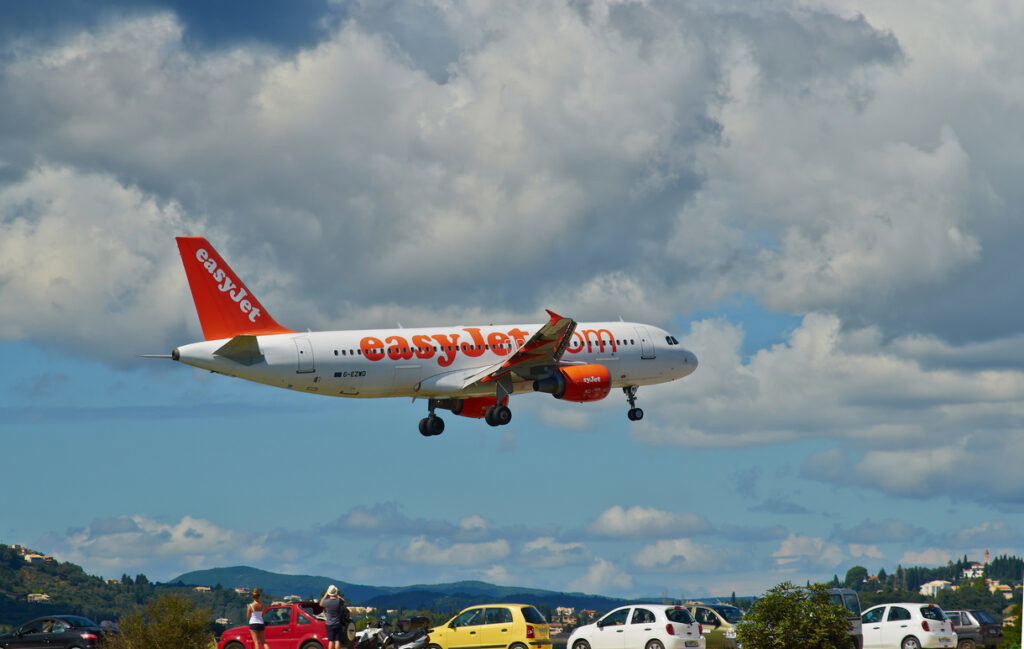
EasyJet unexpected landing. Credit: tatianaput - Shutterstock
An easyJet flight bound for Tenerife was forced to divert to Paris after a passenger suffered a medical emergency, as figures suggest more people falling ill in the air.
Passengers travelling from Amsterdam to Tenerife on Thursday, November 12, faced an unexpected change of destination when their easyJet flight declared an emergency over France and diverted to Paris Orly.
easyJet U27883 from Amsterdam is declaring an emergency over France https://t.co/Bnv5hghpBu
— AIRLIVE (@airlivenet) November 12, 2026
Flight U27883, operated by an Airbus A320neo, was cruising at around 37,000 feet when the crew declared a general emergency and turned towards the French capital. The aircraft landed at Orly, where it was able to receive assistance. The diversion was subsequently attributed to a medical emergency on board.
The incident is another reminder of the difficulties airlines face when passengers become seriously ill thousands of feet above the ground, where immediate access to hospital treatment is impossible.
A similar incident occurred when a Turkish Airlines flight was diverted to Barcelona after a baby became seriously ill. A Ryanair flight from Manchester to Alicante also diverted to France after a passenger fell ill.
Mid-flight medical emergencies are on the rise
The amount of recent mid-air incidents suggest an alarming increase.
| Date | Airline and route | What happened |
|---|---|---|
| October 1 | Emirates Dubai–London |
Diverted to Frankfurt after a passenger suffered a medical emergency. |
| October 16 | Austrian Airlines Vienna–New York |
Diverted to Shannon with an ill passenger. |
| October 20 | Ryanair Dublin–Tenerife |
Diverted to Santiago de Compostela after a passenger needed hospital treatment. |
| October 22 | United Airlines Newark–Guatemala City |
Diverted to Tampa following a medical emergency. |
| October 26 | Ryanair Seville–Manchester |
Declared an emergency after a passenger became unwell. The aircraft continued to Manchester. |
| October 28 | Transavia Brussels–Marrakech |
Diverted to Malaga after a 78-year-old passenger lost consciousness. |
| November 3 | Austrian Airlines Vienna–New York |
Diverted to Shannon after a passenger reportedly suffered chest pains. |
| November 6 | Neos Cancun–Milan |
Diverted to Bermuda because of a passenger’s medical problem. |
Figures published in 2026 suggest that reported in-flight medical emergencies are becoming more frequent, with airlines and aviation medical specialists recording increases.
South Korea has reported a particularly striking rise. Figures obtained from government and airport authorities show that medical emergencies involving its airlines have climbed steadily over recent years.
According to South Korean news agency Yonhap, the figures reveal:
- 2023: 1,592 in-flight medical emergencies.
- 2024: 1,942 incidents, an increase of around 22 per cent.
- 2025: 2,508 incidents, a further increase of almost 30 per cent.
- January to August 2026: 2,510 incidents, already exceeding the total for the whole of 2025.
More worrying figures show that 16 cases requiring cardiopulmonary resuscitation (CPR) were recorded during the first eight months of 2026, compared with 12 throughout the previous year.
Meanwhile, aviation medical assistance provider MedAire reported a 12.2 per cent increase in in-flight medical cases during 2025, providing further evidence of a growing problem across its airline clients.
What happens when somebody falls ill?
Cabin crew are trained to deal with most medical situations, but they are not in any way doctors. When a passenger becomes seriously ill, flight attendants can provide first aid, assess the situation and use the medical equipment carried aboard commercial aircraft. Airlines can also contact ground-based medical teams, who advise the captain and cabin crew on the appropriate response.
Depending on the circumstances, a doctor or other medically qualified passenger may be asked to assist. If the situation is serious, the captain may decide to divert to the nearest suitable airport.
Medical emergencies can include:
- Heart attacks and other cardiovascular problems.
- Strokes and suspected neurological conditions.
- Breathing difficulties and severe allergic reactions.
- Fainting, seizures and loss of consciousness.
- Cardiac arrest requiring CPR and a defibrillator.
A major study published in JAMA Network Open examining 77,790 in-flight medical incidents across 84 airlines found that aircraft diversions occurred in 1.7 per cent of cases. Neurological and cardiovascular problems were the most frequent reasons for changing the aircraft’s destination.
Why are more passengers becoming ill?
An ageing population of air travellers, existing medical conditions and the physical demands of flying are among the possible contributing factors. Aircraft cabins are pressurised, but the air pressure is lower than at sea level. This can affect people with certain medical conditions, while prolonged periods of sitting can also increase the risk of circulatory problems.
However, rising incident figures do not necessarily mean that flying has become more dangerous. More passengers travelling, improved reporting and better access to medical assistance could also explain some of the increase.
For British holidaymakers flying between the UK and Spain, the message is straightforward: airlines have procedures and equipment to deal with medical emergencies, but a serious incident can still mean an unexpected landing, a lengthy delay and an anxious experience for everyone on board. Be patient and prepared, as flying can be an exhausting experience for all.
Follow Euro Weekly News on Google News
Get breaking news from Spain, travel updates, and expat stories directly on your Google News feed.
Follow on Google NewsSign up for personalised news
Subscribe to our Euro Weekly News alerts to get the latest stories into your inbox!
By signing up, you will create a Euro Weekly News account if you don't already have one. Review our Privacy Policy for more information about our privacy practices.





Adam Woodward
Adam is a writer who has lived in Spain for over 25 years. With a background in English teaching and a passion for music, food, and the arts, he brings a rich personal perspective to his work at Euro Weekly News. As a father of three with deep roots in Spanish life, Adam writes engaging stories that explore culture, lifestyle, and the everyday experiences that shape communities across Spain.
Comments