Bomb scare on Ryanair plane in Tenerife as police rush to airport amid wave of threats across Europe
By Lottie Verrier • Published: 18 Nov 2026 • 12:31 • 3 minutes read
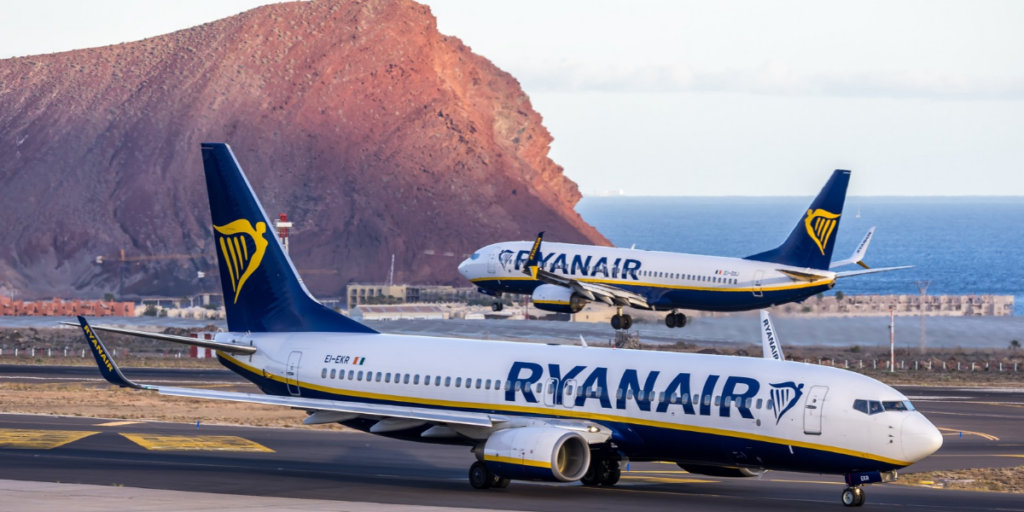
Guardia Civil responds to Ryanair bomb scare in Tenerife Credit: Shutterstock/Collaborator Markus Mainka
For passengers boarding a flight, the biggest worry is usually whether their luggage will fit in the overhead locker or if they’ll arrive on time. A bomb threat is the last thing anyone expects to encounter, particularly when travelling to or from a holiday destination.
But at Tenerife South Airport, what should have been another routine day of flights took an alarming turn when a bomb warning involving a Ryanair aircraft triggered a police response.
Spain’s Guardia Civil attended the airport on Tuesday, November 17, following reports of a possible explosive device aboard the aircraft.
Fortunately, the warning was subsequently declared a false alarm, according to Spanish media reporting citing Guardia Civil sources.
The incident comes amid a series of similar security scares affecting passenger flights across Europe, although there is no confirmed connection between the cases.
Guardia Civil responds to Ryanair bomb scare in Tenerife
The warning prompted Guardia Civil officers to attend Tenerife South Airport, one of the Canary Islands’ busiest gateways and a popular departure point for British holidaymakers.
According to Spanish newspaper Atlántico Hoy, Guardia Civil sources confirmed that the bomb warning involving a Ryanair aircraft was a false alarm.
The report said officers attended the airport to carry out checks following the alert.
However, several details surrounding the incident remain unclear, including the flight’s destination, the number of passengers involved and how the warning originated.
There has also been no independently confirmed information about whether passengers were evacuated or whether the incident caused significant delays.
While the original Spanish report cited police sources, no separate public statement from the Guardia Civil has been located confirming the circumstances of the incident.
Tenerife airport has faced previous bomb scares
Tuesday’s incident was not the first time a bomb warning had caused alarm at Tenerife South Airport.
On September 25, passengers aboard a Jet2 flight preparing to depart for London Stansted faced a frightening disruption after a traveller allegedly claimed to have a bomb in their luggage.
The warning prompted security procedures, with passengers evacuated while the aircraft was checked.
No explosives were discovered, and travellers were eventually allowed to return to the aircraft.
However, the flight was delayed by more than two hours.
The incident highlighted how even an unsubstantiated threat can cause considerable disruption and anxiety for holidaymakers.
Just weeks later, on October 26, a Vueling flight travelling from Barcelona to Gran Canaria was also affected by a false bomb warning.
The aircraft was moved to a designated area for inspection as security teams investigated the alert.
Although no genuine threat was discovered, the incident demonstrated how quickly an ordinary journey can be disrupted by a security scare.
Wave of bomb threats targets flights across Europe
The latest Tenerife incident comes against a wider backdrop of bomb warnings affecting airports and passenger aircraft across Europe.
Earlier in November, a Ryanair flight travelling from Manchester to Murcia was subjected to a bomb alert.
The aircraft landed safely before security checks were carried out, with no explosives discovered.
Other warnings have affected flights and airport operations in several European countries, prompting emergency inspections and disruption.
A recent Reuters investigation examined a broader wave of hoax bomb threats targeting schools, airports and other public locations across Europe.
However, there is no confirmed evidence linking Tuesday’s Tenerife incident to those earlier warnings, and it would be premature to suggest they were coordinated.
What happens when a bomb threat is reported on a plane?
Even when a warning appears unlikely to be genuine, aviation authorities must take it seriously until the aircraft and its passengers have been declared safe.
Depending on the circumstances, security teams may move an aircraft away from other planes, evacuate passengers, inspect luggage and deploy specialist officers to search for explosives.
These precautions can result in delays, missed connections and considerable anxiety for passengers, but they are designed to protect everyone on board.
For travellers caught up in such incidents, the uncertainty can be particularly unsettling, especially when information about the threat is limited.
Fortunately, in Tuesday’s Tenerife incident, Guardia Civil sources confirmed to Atlántico Hoy that the warning was a false alarm.
Although the circumstances surrounding the alert have not been fully established publicly, the incident serves as another reminder of how quickly an unexpected security warning can disrupt an otherwise routine journey.
Follow Euro Weekly News on Google News
Get breaking news from Spain, travel updates, and expat stories directly on your Google News feed.
Follow on Google NewsSign up for personalised news
Subscribe to our Euro Weekly News alerts to get the latest stories into your inbox!
By signing up, you will create a Euro Weekly News account if you don't already have one. Review our Privacy Policy for more information about our privacy practices.



Lottie Verrier
Lottie Verrier is a journalist and digital media specialist based in Mallorca. After a decade in London media, including a role as Deputy Editor for the MailOnline’s eCommerce division, she now combines her editorial expertise with a passion for the island to create engaging content that celebrates the best of life in Spain. Instagram @lottieinmallorca
Comments