Spain’s ‘it’ll go away’ attitude sends five million people to A&E
By Molly Grace • Published: 19 Nov 2026 • 23:07 • 2 minutes read
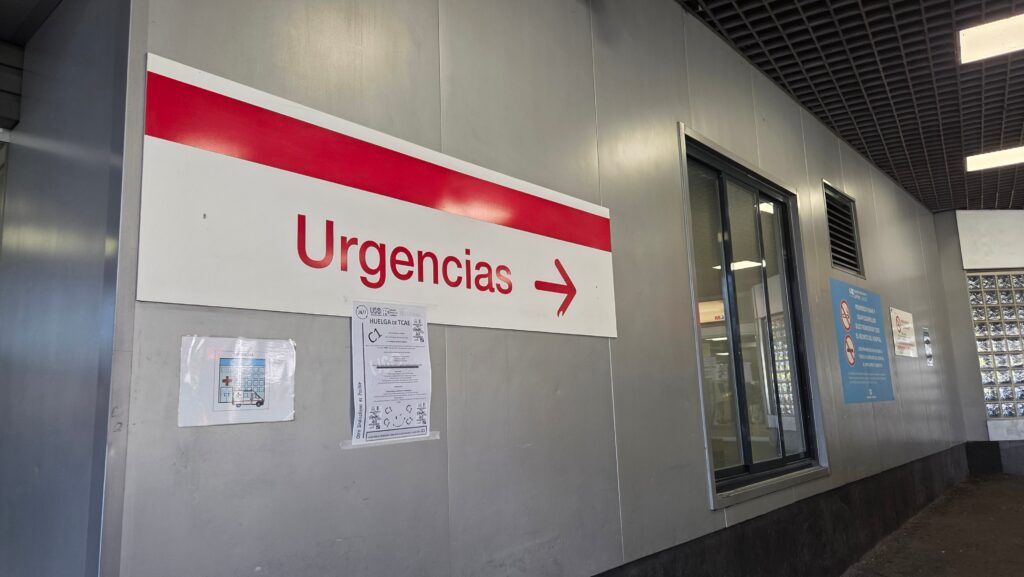
People aged 18 to 24 were the most likely to put off medical attention. Photo credit: Iri.madrid.art/Shutterstock
If you have ever decided to give a symptom a few more days rather than spend time trying to get a doctor’s appointment, you are far from alone. But waiting for a problem to disappear can leave you needing more than the consultation you put off. A national survey estimates that more than five million people in Spain who delayed medical care eventually went to an emergency department.
The study, La salud aplazada, commissioned by Línea Directa Aseguradora with Dr Justo Menéndez, an emergency medicine specialist, found in 1,583 interviews across Spain that 42 per cent of respondents had postponed a medical consultation or check-up they considered necessary at some point in their lives. Projected across Spain, that represents more than 17 million people. Among those who delayed seeking help, one in three said they later attended A&E. The figure is an estimate from survey responses, not hospital records.
Why people put off an appointment
The most common reason was the belief that the problem would clear up on its own. Some 37 per cent said their symptoms did not seem serious or they expected them to disappear.
For another 21 per cent, work or personal commitments got in the way. A further 19 per cent said they had difficulty getting an appointment with their family doctor or a specialist. Almost half of those who delayed care waited at least a month or never made the appointment.
The consequences of waiting
Among respondents who delayed a consultation, 53 per cent said their symptoms lasted longer, while 45 per cent said they became worse. In 21 per cent of cases, the problem became recurrent or chronic.
The survey also found that 17.5 per cent received a diagnosis their doctor considered late. More than one in four, or 26 per cent, needed more complex treatment, while almost 12 per cent were admitted to hospital. The figures do not mean every delay leads to serious illness, but some patients later needed more extensive treatment.
Young adults are most likely to delay care
People aged 18 to 24 were the most likely to put off medical attention: 67 per cent said they had done so. The figure fell to 21 per cent among people aged over 75.
There were also regional differences. The Community of Madrid recorded the highest proportion of people who had delayed a consultation, at 51 per cent, followed by the Valencian Community at 49 per cent and the Canary Islands at 48 per cent. Andalucía had the lowest rate, at 31 per cent, followed by Navarra at 32 per cent and the Basque Country at 33 per cent.
Self-medicating instead of seeing a doctor
Many respondents tried to deal with symptoms themselves rather than book an appointment. Seven in ten said they had self-medicated to avoid or delay seeing a doctor, and around a third did so without a prescription. One in ten said they had consulted artificial intelligence about their symptoms.
The survey also asked what would encourage people to seek help sooner. Almost half said access to a family doctor within 24 to 48 hours would make a difference. Another 43 per cent wanted consultations and tests available on the same day, while 61 per cent said a quick initial assessment by phone, video call or chat would encourage them to ask for medical advice.
Follow Euro Weekly News on Google News
Get breaking news from Spain, travel updates, and expat stories directly on your Google News feed.
Follow on Google NewsSign up for personalised news
Subscribe to our Euro Weekly News alerts to get the latest stories into your inbox!
By signing up, you will create a Euro Weekly News account if you don't already have one. Review our Privacy Policy for more information about our privacy practices.



Molly Grace
Molly is a British journalist and author who has lived in Spain for over 25 years. With a background in animal welfare, equestrian science, and veterinary nursing, she brings curiosity, humour, and a sharp investigative eye to her work. At Euro Weekly News, Molly explores the intersections of nature, culture, and community - drawing on her deep local knowledge and passion for stories that reflect life in Spain from the ground up.
Comments