Which firewood should you buy in Spain? The logs that keep your home warm for less
By Adam Woodward • Published: 21 Nov 2026 • 12:22 • 3 minutes read
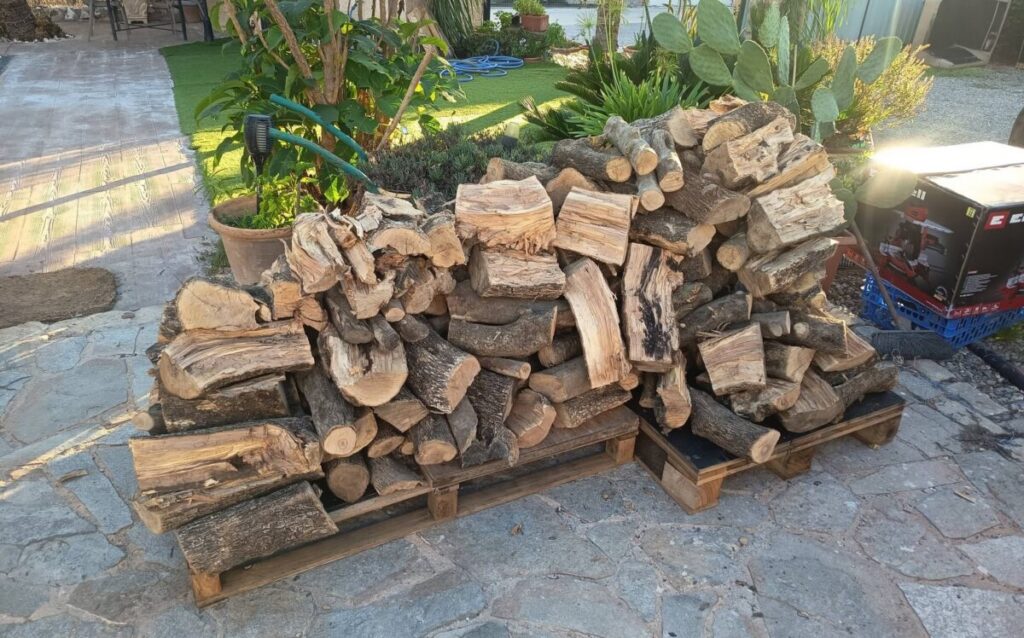
Which wood is right for your fire? Credit: Juani Beltran FB
Encina, olive or almond? Falling night-time temperatures mean many expats are lighting their fireplaces again, but choosing the right firewood can make a real difference to heating costs.
As temperatures start dropping after sunset, households across Spain are preparing to light their fireplaces and wood-burning stoves again. For expats who are used to buying logs at home, however, choosing firewood in Spain can be a little confusing.
Spanish suppliers sell several different varieties, often using the local names rather than English descriptions. Prices and burning characteristics also vary, meaning that buying the cheapest wood does not necessarily mean getting the best value.
Knowing the difference between encina, olivo, almendro and other commonly available woods can help homeowners get more heat from their money this winter.
Which Spanish firewood gives the best heat?
Some varieties burn considerably longer than others. Hardwoods are generally the better choice for maintaining a fire, while lighter woods are useful for getting it started.
Here are some of the main varieties available from Spanish firewood suppliers:
| Spanish name | English name | Burning characteristics |
|---|---|---|
| Encina | Holm oak | Dense, burns slowly and produces lasting embers |
| Olivo | Olive | High heat output and long-lasting embers |
| Almendro | Almond | Good heat and relatively long burning time |
| Roble | Oak | Good for maintaining a steady fire |
| Fresno | Ash | Good flames and useful general-purpose firewood |
| Pino | Pine | Lights easily but burns quickly |
| Eucalipto | Eucalyptus | Produces plenty of heat when properly dried |
Encina is often considered one of the best all-round choices for domestic fireplaces. Olive and almond are particularly popular in southern Spain, where they are readily available in many areas.
According to the Spanish Association of Manufacturers of Stoves, Fireplaces and Solid Fuel Cookers (AEFECC), hardwoods such as encina, olive and almond generally offer better heat output and longer burning times than softer varieties.
Your fireplace type matters when choosing logs
Not every fireplace works in the same way, so the type of appliance in your home should influence your purchase.
-
Open fireplaces (chimeneas abiertas): Encina and olive are good choices because they produce lasting embers. Use smaller, easily ignited pieces to start the fire.
-
Glass-fronted fireplaces (chimeneas insertables or cassettes): Encina, oak and olive are suitable choices for steady heating.
-
Freestanding wood-burning stoves (estufas de leña): Dense hardwoods such as encina, almond and oak are excellent for maintaining warmth.
-
Wood-burning cookers (cocinas de leña): Choose logs cut to the size specified by the manufacturer, with almond and encina among the options worth considering.
Always check the appliance manufacturer’s instructions before buying, particularly if you have a specialist stove or a water-heating fireplace.
Dry firewood is more important than expensive firewood
Regardless of the variety, moisture content is one of the biggest factors affecting how well logs burn. Spanish government guidance recommends a moisture content of between 10 and 20 per cent for traditional firewood. Wet logs are harder to light, produce less useful heat and create more smoke and deposits inside chimneys and flues. A cheap moisture meter can help buyers check their purchase. Split a log and test the newly exposed inner surface rather than the outside.
Other signs of properly dried wood include:
-
Cracks appearing at the ends of the logs.
-
A lighter weight than recently cut timber.
-
A hollow sound when two logs are knocked together.
-
No obvious dampness or musty smell.
Homeowners can read the Spanish government’s guide to good firewood-burning practices for further advice.
Should you buy firewood by weight or volume?
Another question worth asking before ordering is how the supplier measures the wood. AEFECC generally recommends buying by volume rather than weight because moisture can make logs considerably heavier without providing any extra heating value. However, buyers should clarify whether the quoted cubic metre is stacked or loose, as the amount of actual wood can differ.
Its guide to choosing and buying firewood in Spain explains the differences between varieties, prices and purchasing methods.
One final reminder: Have chimneys and flues checked and cleaned as recommended, never burn painted or chemically treated timber, and always follow the manufacturer’s instructions for your particular fireplace.
With the right logs and properly dried firewood, homeowners can enjoy a warmer winter without wasting money on fuel that produces more smoke than heat.
For readers looking at other ways to heat their properties, Euro Weekly News has also published guides to keeping a Spanish house warm during winter and why Spanish homes can feel colder indoors than outside.
Follow Euro Weekly News on Google News
Get breaking news from Spain, travel updates, and expat stories directly on your Google News feed.
Follow on Google NewsSign up for personalised news
Subscribe to our Euro Weekly News alerts to get the latest stories into your inbox!
By signing up, you will create a Euro Weekly News account if you don't already have one. Review our Privacy Policy for more information about our privacy practices.




Adam Woodward
Adam is a writer who has lived in Spain for over 25 years. With a background in English teaching and a passion for music, food, and the arts, he brings a rich personal perspective to his work at Euro Weekly News. As a father of three with deep roots in Spanish life, Adam writes engaging stories that explore culture, lifestyle, and the everyday experiences that shape communities across Spain.
Comments