Young Scandinavians cruise rusty Cadillacs as electric cars dominate new sales
By Adam Woodward • Published: 23 Nov 2026 • 16:32 • 2 minutes read
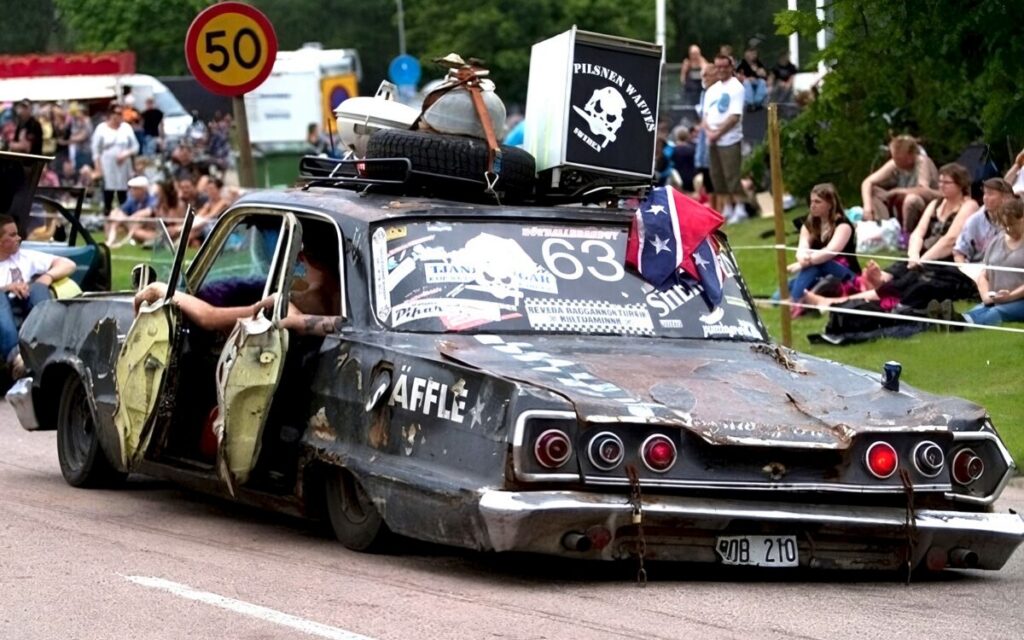
Once gleaming chrome was the fashion, but now this. Credit: bettyzwithchevyz Insta
Raggare subculture in Sweden, Norway and Finland combines rock and roll and rusted out rockers and rollers on cars.
Young Scandinavians keep cruising in battered old American cars even as electric models take over the new-car market. Recent online clips of teens and twenty-somethings sliding around in rusty Cadillacs and Chevrolets sparked fresh interest in the long-running raggare subculture. In a part of the World where new EV sales run very high, these gas-guzzling classics look like a deliberate middle finger to the modern order.
Ach in het land waar 95% van de nieuw auto’s EV zijn nog een keer een dikke vinger naar de gevestigde orde uitsteken. Wie ze zijn en welke subcultuur ze najagen moet ik nog uitzoeken maar het is een bezienswaardigheid die jongelui in oude Cadillacs over de weg te zien schuiven;) https://t.co/deHz4Fyqa6
— smoelensmid (@smoelensmid) November 23, 2026
What is the Raggare car scene?
Raggare culture grew out of post-war Sweden, when cheap used American V8s from the 1950s and 1960s became mobile party spaces for working-class youth. Pontiac Bonnevilles, Cadillacs and Chevrolets offered size, chrome and noise that ordinary Swedish cars could never match. Fans still gather at big meets such as Classic Car Week in Rattvik, where thousands of vehicles cruise the streets. Traditionalists prefer relatively clean examples. A newer wave, often called pilsnerbilar or beer cars, treats heavy rust, dents and missing trim as part of the look. One Dutch observer summed it up by noting the sight of young people “sliding over the road in old Cadillacs” in a place where most new cars are electric.
How the cars get modified
Modern pilsnerbil builds go well beyond stock. Owners often body-drop the chassis so the car sits extremely low, then fit air suspension so it can still clear speed bumps and inspection ramps. Rear ends sometimes get deliberately crushed or pressed down for a sloping stance. Under the rough exterior, frames and floors get rebuilt to stay legal. Straight-pipe V8s deliver the classic rumble, though Mercedes diesel swaps have become more common for reliability. Massive sound systems, stickers and even smoke machines turn the cars into rolling party platforms. Swedish inspection rules still apply, so the “scrapheap” appearance is carefully managed. A detailed look at the scene appears in this autoevolution feature on pilsnerbilar and a recent DW video on Sweden’s V8 culture.
Why it keeps going
Older Raggare once sported polished chrome and chased girls in convertibles. Today’s younger drivers lean into the worn aesthetic as a statement of fun and independence. Events around Rattvik and other towns draw big crowds every summer, mixing family-friendly cruising with the noisier beer-car meets. Sweden’s strong EV push, high fuel prices and practical car culture make the contrast sharper. Fans argue the cars still pass checks and bring people together. Critics point to noise, emissions and occasional trouble at larger gatherings. Either way, the scene shows no sign of fading. Readers interested in Swedish industry can also check Euro Weekly News coverage of Gothenburg’s manufacturing base. Volvo’s own shift away from a pure-EV target by 2030 and high loyalty among new Swedish EV buyers add further context to the contrast. For anyone keeping an older car running closer to home, this piece on driving an old banger in Spain may also be useful.
Follow Euro Weekly News on Google News
Get breaking news from Spain, travel updates, and expat stories directly on your Google News feed.
Follow on Google NewsSign up for personalised news
Subscribe to our Euro Weekly News alerts to get the latest stories into your inbox!
By signing up, you will create a Euro Weekly News account if you don't already have one. Review our Privacy Policy for more information about our privacy practices.



Adam Woodward
Adam is a writer who has lived in Spain for over 25 years. With a background in English teaching and a passion for music, food, and the arts, he brings a rich personal perspective to his work at Euro Weekly News. As a father of three with deep roots in Spanish life, Adam writes engaging stories that explore culture, lifestyle, and the everyday experiences that shape communities across Spain.
Comments