Spain spends less on healthcare than Europe but patients are paying the price
By Molly Grace • Published: 25 Nov 2026 • 1:05 • 2 minutes read
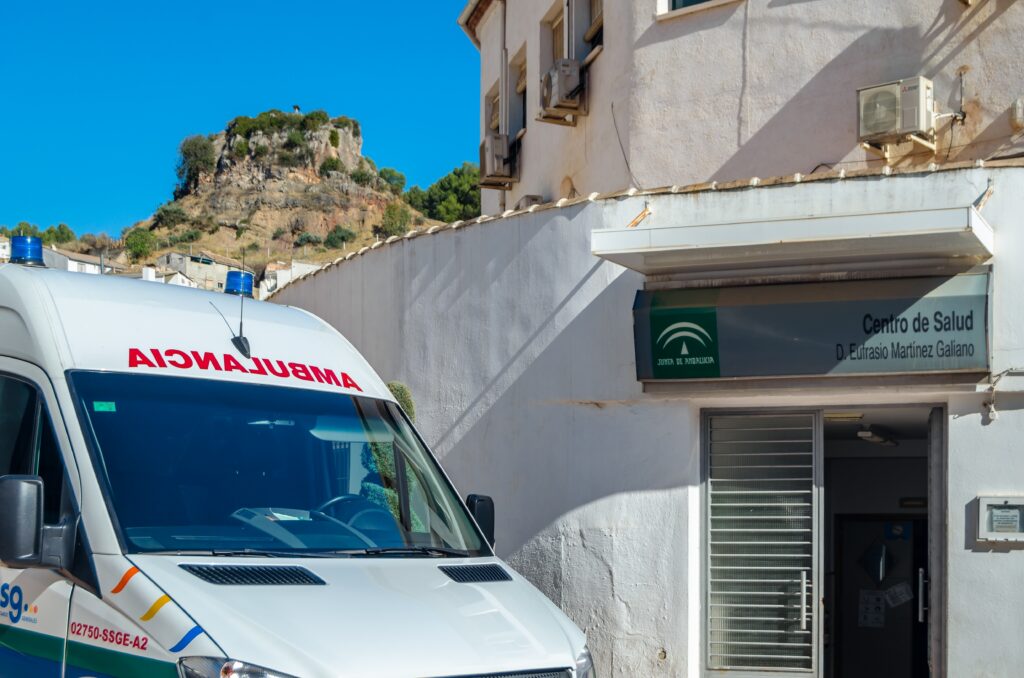
Households in Spain covered 21 per cent of total healthcare expenditure directly. Photo credit:vali.lung / Shutterstock
If you have ever put off a dental appointment because of the cost, the latest European healthcare figures make uncomfortable reading. Spain spends €3,319 per person on healthcare, 16 per cent below the EU average, while households pay a larger share of their medical bills themselves.
The figures come from the OECD and European Commission’s Health at a Glance: Europe 2026, published on Tuesday, November 25. It puts average healthcare expenditure in Spain at €3,319 per resident in 2024, compared with €3,955 across the EU. That leaves a difference of €636 per person. The figures are adjusted for differences in purchasing power, allowing healthcare spending to be compared between countries, rather than simply comparing the amount of money spent in euros.
Spanish households pay a bigger share of healthcare costs
The difference is not just about how much is spent. It is also about who pays. Households in Spain covered 21 per cent of total healthcare expenditure directly, compared with 16 per cent across the EU. That includes payments for services and treatments not fully covered by the public system. Dental care is one of the clearest examples. Public funding covers just 1 per cent of dental expenditure in Spain, against 35 per cent across the EU.
For anyone needing fillings, crowns, implants or other treatment, that limited coverage can mean a substantial bill. Unlike many hospital services, much routine dental treatment has to be paid for privately, leaving patients to weigh up the cost against how urgently they need care. The figures do not mean that every patient pays 21 per cent of their own medical bills. They represent the household share of total national healthcare spending, but they do show how much more Spanish households contribute compared with the European average.
Spain scores well on life expectancy and vaccination
The spending figures are not the whole picture. Spain also performs strongly on several measures of public health. Life expectancy reached 84 years in 2024, compared with an EU average of 81.5 years. The country also recorded high vaccination rates, with 94 per cent of eligible girls fully vaccinated against human papillomavirus (HPV), compared with 62 per cent across the EU.
Flu vaccination among people aged over 65 also stood at 60 per cent in Spain, against an EU average of 40 per cent. Those results show that lower spending does not automatically translate into poorer outcomes across every area of healthcare. However, they do not remove the financial pressure faced by people who need treatment that is not fully covered.
Healthcare faces pressure from ageing and staff shortages
The OECD’s report examines the challenges facing health services across Europe, including ageing populations, rising demand for treatment and shortages of healthcare workers. For Spain, the combination of lower spending per resident and a higher proportion of costs paid directly by households raises questions about access to treatment, particularly where public coverage is limited.
The figures also underline the difference between the country’s strong results in areas such as life expectancy and vaccination and the costs patients face when they need particular services.
Follow Euro Weekly News on Google News
Get breaking news from Spain, travel updates, and expat stories directly on your Google News feed.
Follow on Google NewsSign up for personalised news
Subscribe to our Euro Weekly News alerts to get the latest stories into your inbox!
By signing up, you will create a Euro Weekly News account if you don't already have one. Review our Privacy Policy for more information about our privacy practices.





Molly Grace
Molly is a British journalist and author who has lived in Spain for over 25 years. With a background in animal welfare, equestrian science, and veterinary nursing, she brings curiosity, humour, and a sharp investigative eye to her work. At Euro Weekly News, Molly explores the intersections of nature, culture, and community - drawing on her deep local knowledge and passion for stories that reflect life in Spain from the ground up.
Comments