EasyJet crisis deepens: profits plunge 96% as passengers face possible fare rises
By Molly Grace • Published: 26 Nov 2026 • 16:24 • 2 minutes read
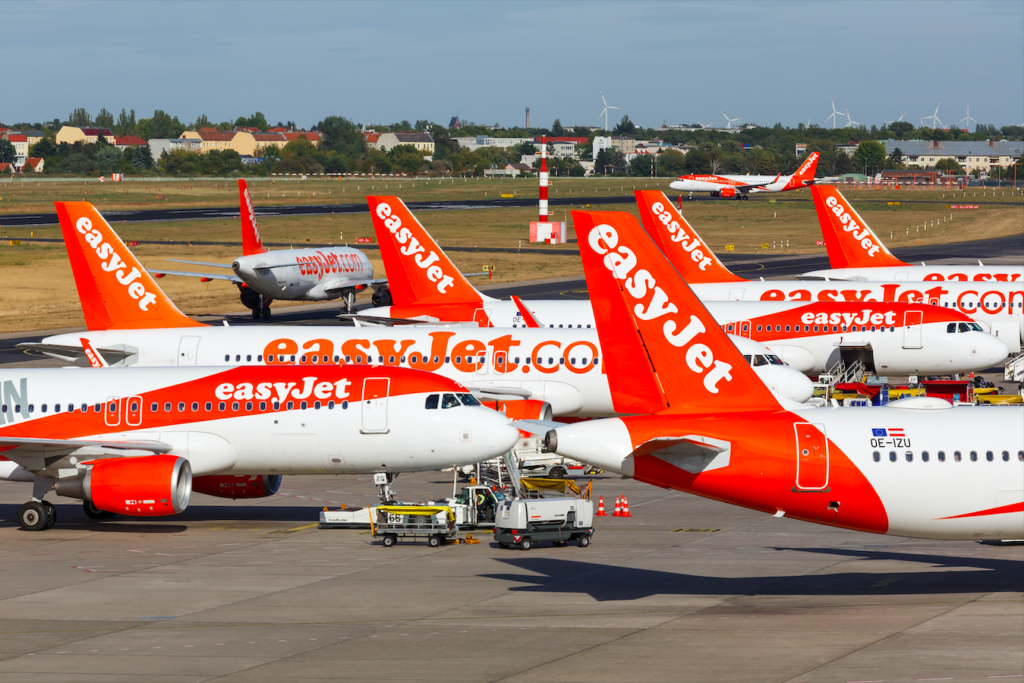
EasyJet’s fuel bill increased by 11 per cent to £2.5 billion during the year. Photo credit:Markus Mainka / Shutterstock
EasyJet passengers could face higher fares as the airline battles soaring fuel costs after annual pre-tax profits plunged by 96 per cent, while its chief executive has refused to rule out further job cuts. Kenton Jarvis said the airline would continue looking for ways to reduce costs after easyJet reported statutory pre-tax profits of £24 million for the year to 30 September 2026, compared with £658 million the previous year.
Fuel bill rises by £244 million
EasyJet’s fuel bill increased by 11 per cent to £2.5 billion during the year, an extra £244 million. The airline blamed the prolonged conflict in the Middle East for pushing up fuel prices and weakening demand, particularly during the spring.
Revenue still grew by six per cent to £10.7 billion, while passenger numbers rose three per cent to 96.4 million. But higher costs took a heavy toll on its bottom line. Its headline pre-tax profit, which excludes certain items, fell by 89 per cent to £71 million.
Up to 50 head-office jobs at risk
The results come as easyJet consults on cutting up to 50 roles at its head office in Luton. The airline employs around 16,000 people worldwide. Jarvis said he could not rule out further job losses, explaining that the business would always look for ways to make its cost base more efficient.
However, he said there were no plans to cut frontline roles such as pilots or cabin crew. The proposed cuts are currently focused on head-office positions rather than people working on aircraft.
Could other airlines follow?
Jarvis warned that high fuel prices could put weaker European airlines under severe pressure, particularly those that have not protected themselves against rising costs by securing fuel at earlier prices. EasyJet has hedged 70 per cent of its winter fuel requirements and 54 per cent of its summer needs. But if prices remain high, airlines with less protection could struggle to absorb the extra expense.
“There could be airline failures. It would not surprise me,” Jarvis said, warning that the industry could see further consolidation as stronger carriers acquire rivals or airlines fail. Passengers have already seen airlines adjust their schedules in response to higher costs and weaker winter demand. Virgin Atlantic recently said it expected to operate around eight per cent fewer flights than planned this winter.
For people booking a Spanish getaway or travelling to visit family, easyJet has not announced a specific fare increase. But with fuel costs still high and the airline warning of pressure on ticket prices, the cheapest seats may become harder to find if costs persist and demand holds up. That could affect summer bookings. The airline is also preparing for a £5.7 billion takeover by US private equity group Apollo, expected to complete in the first quarter of 2027. EasyJet has not issued full financial guidance for the coming year while the deal is progressing.
Follow Euro Weekly News on Google News
Get breaking news from Spain, travel updates, and expat stories directly on your Google News feed.
Follow on Google NewsSign up for personalised news
Subscribe to our Euro Weekly News alerts to get the latest stories into your inbox!
By signing up, you will create a Euro Weekly News account if you don't already have one. Review our Privacy Policy for more information about our privacy practices.





Molly Grace
Molly is a British journalist and author who has lived in Spain for over 25 years. With a background in animal welfare, equestrian science, and veterinary nursing, she brings curiosity, humour, and a sharp investigative eye to her work. At Euro Weekly News, Molly explores the intersections of nature, culture, and community - drawing on her deep local knowledge and passion for stories that reflect life in Spain from the ground up.
Comments