How airport parking helps frequent flyers save time
By Nicola EWN • Updated: 26 Nov 2026 • 16:30 • 7 minutes read
Credit: Park-King
Frequent flyers often spend considerable time organising transportation, managing flight schedules, and preparing for their next journey. Whether travelling for business, visiting family, or taking regular international trips, repeated airport visits can become demanding. Even small transportation delays can accumulate over time, making efficient airport access an important part of maintaining a manageable travel routine.
Airport parking services provide frequent travellers with greater control over their departure and arrival arrangements. From direct terminal vehicle handovers to advance reservations and flexible parking options, modern parking facilities help passengers reduce unnecessary waiting and simplify their journeys.
Greater control over airport transportation
Frequent travellers often prefer transportation arrangements that allow them to manage their schedules independently. Public transport operates according to fixed timetables, while taxi availability can vary depending on location and demand.
Passengers departing from Spain’s Costa Blanca can arrange valet parking at Alicante Airport to hand over their vehicles directly at an agreed terminal meeting point without visiting a separate parking facility.
Driving a personal vehicle allows travellers to determine their departure times, organise luggage beforehand, and avoid unnecessary transportation connections. This flexibility becomes particularly valuable for passengers who travel several times each month.
Eliminating unnecessary airport transfers
Traditional airport parking may require passengers to park their vehicles some distance from the terminal before completing the remaining journey on foot or by shuttle bus.
Although these arrangements suit many travellers, frequent flyers may prefer alternatives that reduce additional transportation stages.
Direct Terminal Vehicle Handover
Valet parking allows passengers to drive towards the airport terminal and meet a designated member of the parking team. After completing the vehicle handover, travellers can proceed towards their departure area.
This arrangement can reduce the time spent locating parking spaces, unloading luggage at distant facilities, and waiting for shuttle transportation.
Convenient Vehicle Collection
After returning from a trip, passengers can arrange to collect their vehicles at an agreed airport location.
Depending on the provider’s procedures, this may reduce the need to travel back to a separate parking facility before beginning the journey home.
For passengers travelling regularly, these time savings can become increasingly valuable.
Advance reservations reduce last-minute delays
Searching for available parking shortly before departure can create unnecessary uncertainty. During busy travel periods, passengers may spend additional time comparing facilities or locating available spaces.
Advance reservations allow frequent flyers to organise parking alongside their flight bookings.
Online booking systems typically provide information about parking availability, reservation costs, vehicle requirements, and arrival procedures.
Travellers can review these details before leaving home rather than making decisions while approaching the airport.
Keeping reservation confirmations accessible on a mobile device also helps simplify communication with parking providers.
Supporting early morning and late-night flights
Frequent flyers often select flights according to business commitments, ticket prices, or personal schedules. These requirements may result in departures before sunrise or arrivals late at night.
Public transportation options can become limited outside normal operating hours. Arranging private transfers may also require additional planning.
Airport parking allows passengers to travel in their own vehicles without relying entirely on external transportation schedules.
However, travellers should confirm the parking provider’s operating hours before booking. Understanding vehicle collection arrangements during early departures and late arrivals helps prevent unexpected delays.
Comparing parking options for regular travel
Frequent travellers do not necessarily require the same parking arrangement for every journey. A short business trip may involve different priorities from an extended international holiday.
Providers offering flexible airport parking solutions allow passengers to compare shuttle transfers, valet services, and different vehicle storage arrangements according to their travel schedules.
Selecting the appropriate service for each journey can help balance convenience, transportation costs, and time requirements.
Travellers should consider how often they fly, the average duration of their trips, and the importance of direct terminal access when evaluating available options.
Reducing time spent managing luggage
Managing luggage can become a repetitive challenge for passengers who travel regularly. Business travellers may carry laptops, presentation materials, and professional equipment, while leisure travellers often require larger suitcases.
Using a personal vehicle allows passengers to organise their belongings before leaving home.
Valet parking can further simplify luggage management by reducing the need to transfer belongings between different vehicles.
Passengers can unload their luggage at an agreed airport location before handing over their cars.
This arrangement may be particularly useful for travellers carrying heavy equipment or multiple bags, provided the airport’s vehicle access rules and parking procedures permit convenient handovers.
Making business travel more efficient
Business travellers frequently operate according to demanding schedules. Meetings, conferences, professional appointments, and international commitments often leave limited time for unnecessary transportation delays.
Airport parking can help business professionals establish a more predictable travel routine.
Simplifying Departure Arrangements
Having parking organised before departure allows travellers to focus on flight schedules, professional responsibilities, and important documents.
Direct terminal handover services may also reduce the number of transportation stages required before check-in.
Returning to Work More Quickly
Business travellers sometimes need to return directly to their offices or attend appointments shortly after landing.
Having a personal vehicle available can provide greater flexibility when continuing the journey.
Passengers should nevertheless allow sufficient time for baggage collection, airport procedures, and vehicle handover arrangements when planning subsequent commitments.
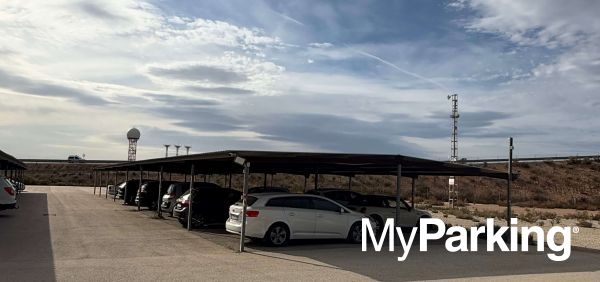
The benefits of covered parking for frequent flyers
Vehicles belonging to frequent travellers may spend considerable time parked throughout the year. Repeated exposure to environmental conditions can contribute to gradual wear, particularly in regions with hot summers.
Covered airport parking provides additional protection against direct sunlight, rainfall, and certain environmental contaminants.
In Mediterranean locations, reducing prolonged sunlight exposure may help preserve interior materials and exterior finishes.
Frequent flyers who regularly leave their vehicles for extended periods should consider whether covered parking provides sufficient value for their requirements.
Although covered facilities may involve higher reservation costs, the additional protection can be worthwhile for some vehicle owners.
Private garage parking for premium vehicles
Some frequent travellers own vehicles that require additional environmental protection or privacy during storage.
Private garage parking provides an enclosed space that separates a vehicle from many external environmental conditions.
Depending on the facility, private garages may offer additional protection against dust, sunlight, rainfall, and accidental contact with other parked vehicles.
This option may appeal to owners of luxury cars, classic vehicles, or recently purchased automobiles.
Before selecting a private garage, travellers should confirm its dimensions, access arrangements, security features, and applicable insurance conditions.
Understanding these details ensures that the selected parking environment meets the vehicle’s specific requirements.
Flexible reservations help manage schedule changes
Frequent flyers may encounter unexpected changes to their travel arrangements. Business meetings can be extended, return flights may be delayed, and personal commitments can require earlier departures.
Flexible parking reservations can help travellers manage these situations more effectively. Before booking, passengers should review the provider’s policies regarding:
- Changes to reservation
- Extended parking
- Early vehicle
- Delayed return
- Reservation
- Additional parking
Clear policies allow travellers to understand how unexpected schedule changes may affect their parking arrangements.
Providing accurate flight information and maintaining communication with the parking provider can also help coordinate vehicle collection.
Digital technology simplifies repeated bookings
Online reservation systems have made airport parking more accessible for passengers who travel regularly.
Instead of arranging parking through lengthy telephone conversations or visiting facilities beforehand, travellers can complete many reservations digitally.
Some providers allow returning customers to access previous booking information or save relevant vehicle details.
These features can reduce repetitive administrative tasks and make future reservations more convenient.
Digital confirmations also provide passengers with easy access to booking references, contact information, and arrival instructions.
Frequent travellers should review their reservation details carefully, particularly when using different vehicles or travelling according to changing flight schedules.
Security and peace of mind during regular trips
Vehicle security remains an important consideration for passengers who frequently leave their cars unattended.
Reliable parking arrangements can reduce the need to research unfamiliar facilities before every departure.
Security features may include controlled access, surveillance cameras, perimeter fencing, and staff supervision.
However, travellers should understand that security arrangements vary between providers.
Reviewing vehicle handling procedures, customer feedback, and insurance conditions can help passengers make informed decisions.
Establishing a reliable parking routine may also reduce the time spent comparing providers before subsequent trips.
Calculating long-term transportation savings
Saving time is not the only consideration for frequent flyers. Repeated airport journeys can also create substantial transportation expenses throughout the year.
Comparing parking charges with taxi fares, private transfers, and public transportation costs can help travellers understand their overall expenditure.
Some parking operators may offer membership programmes, extended parking packages, or special arrangements for regular customers.
The financial value of these options depends on travel frequency, parking duration, and the services included.
Frequent flyers should calculate their expected annual transportation expenses rather than evaluating each journey independently.
This approach can help identify arrangements that provide a suitable balance between affordability and convenience.
Frequently Asked Questions
Is valet parking suitable for frequent flyers?
Yes, direct terminal vehicle handovers can reduce unnecessary transportation stages during regular airport visits.
Can airport parking save time during business trips?
Yes, advance reservations and convenient vehicle collection can simplify business travel arrangements.
Should frequent flyers choose covered parking?
Covered parking may provide additional protection for vehicles that remain parked regularly.
What happens if a return flight is delayed?
Travellers should contact their parking provider and follow its delayed arrival procedures.
Are airport parking memberships worthwhile?
They may provide good value depending on travel frequency, reservation costs, and membership conditions.
Conclusion
Airport parking helps frequent flyers manage their journeys by providing greater control over transportation schedules, vehicle storage, and airport access. Advance reservations, direct terminal handovers, flexible booking arrangements, and convenient vehicle collection can reduce unnecessary delays.
Selecting a suitable parking service depends on individual travel habits, vehicle requirements, and financial priorities. Frequent travellers who establish reliable parking arrangements can spend less time organising transportation and more time focusing on their personal or professional commitments.
As airport parking services continue to develop, passengers can benefit from increasingly flexible arrangements that make repeated airport journeys more manageable and efficient.
For more information about airport parking services or reservations, contact AparcaYA, located at Alto Alicante Airport, Partida Torrellano, 03320 Torrellano, Alicante, Spain. You can reach the team by phone at +34 685 83 34 80 or by email at info@aparcaya.es. AparcaYA operates 24/7, 365 days a year, ensuring parking services are available whenever you travel.
Follow Euro Weekly News on Google News
Get breaking news from Spain, travel updates, and expat stories directly on your Google News feed.
Follow on Google NewsSign up for personalised news
Subscribe to our Euro Weekly News alerts to get the latest stories into your inbox!
By signing up, you will create a Euro Weekly News account if you don't already have one. Review our Privacy Policy for more information about our privacy practices.



Nicola EWN
Nicola is a member of the editorial team specialising in features, digital content and online publishing. With broad experience across media and communications, she works across feature articles, editorial content and digital platforms, managing content across a range of subjects.
Comments