Cure to MRSA resistant bacteria found in ancient remedy
By Molly Grace • Published: 22 Jun 2025 • 13:23 • 2 minutes read
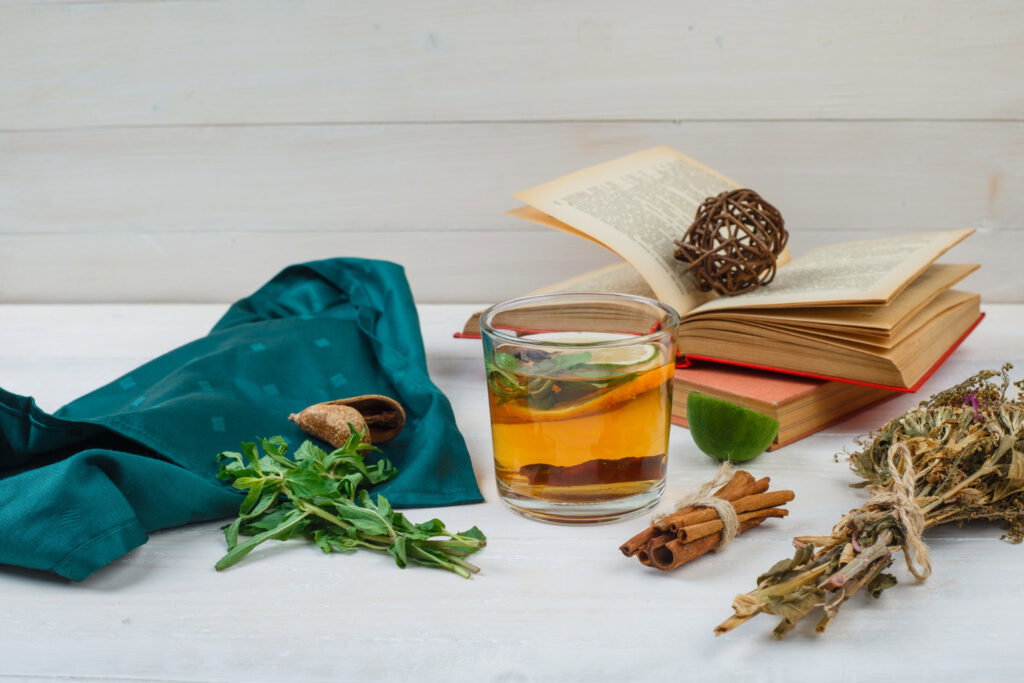
Photo credits: Freepik
A thousand-year-old treatment recorded in an early medieval medical text has shown powerful antibacterial effects against modern antibiotic-resistant bacteria, including MRSA. The remedy, a blend of garlic, onion (or leek), wine, and ox bile, was reconstructed based on instructions from Bald’s Leechbook, a 10th-century Old English medical manuscript.
When prepared using historically accurate methods, including fermentation in a brass vessel for nine days, the remedy was found to eliminate up to 90% of Staphylococcus aureus, including methicillin-resistant strains in laboratory tests!
More Than a Folk Cure
The effectiveness of the ‘eye salve’ has been confirmed not only in standard lab cultures but also against biofilms dense bacterial communities that are highly resistant to antibiotics and a major cause of persistent infections. In wound models using mice, the remedy performed better than some conventional antibiotics in reducing bacterial infection.
What makes the finding particularly striking is that the ingredients alone (garlic, onion, wine, and bile) did not have this effect individually. The antimicrobial activity appears only when the components are combined and prepared exactly as described in the medieval text, suggesting a synergistic reaction during fermentation.
Understanding Bald’s Leechbook
The recipe that appears in Bald’s Leechbook, is one of the oldest known medical texts written in Old English. Compiled in the 9th or early 10th century, the manuscript includes a wide range of remedies for ailments from skin infections to digestive issues. It reflects the medical thinking of the time, combining herbal practise, empirical observation, and of course religious elements.
The ‘eye salve’ recipe was originally intended to treat infections of the eyelid such as a Stye but its unexpected power against MRSA has led researchers to revisit other ancient formulations in the text for possible modern applications.
Modern Science Meets Ancient Wisdom
The study is part of the AncientBiotics project, a collaboration between microbiologists, historians, and chemists seeking to explore historical medical knowledge for new leads in antimicrobial development. In the face of rising antibiotic resistance, discoveries like this offer rare hope for finding alternative treatments.
Researchers are currently investigating the specific biochemical processes involved in the remedy’s action, including its potential to disrupt quorum sensing (the bacterial communication system) and biofilm formation. These mechanisms are critical to bacterial survival and are common targets in developing new antimicrobial drugs.
Despite the impressive results in lab settings, the medieval remedy is not approved for human use and has not undergone clinical trials. Researchers caution against self-medicating with home-brewed versions, which could be ineffective or harmful (especially when trying to remove bile from an Ox). Further research will determine whether the treatment can be safely adapted for modern medical use.
Following the success of this research, the University of Nottingham team has helped compile a new public-facing book:
“AncientBiotics: Medieval Medicine and Modern Science”, which explores the history, science, and future of historical remedies. The book includes detailed background on Bald’s Leechbook, the methodology of the MRSA experiments, and other promising medieval treatments under investigation.
This renewed interest in historical medicine shows that innovation does not always require invention—sometimes, it begins by looking backward.
Follow Euro Weekly News on Google News
Get breaking news from Spain, travel updates, and expat stories directly on your Google News feed.
Follow on Google NewsSign up for personalised news
Subscribe to our Euro Weekly News alerts to get the latest stories into your inbox!
By signing up, you will create a Euro Weekly News account if you don't already have one. Review our Privacy Policy for more information about our privacy practices.



Molly Grace
Molly is a British journalist and author who has lived in Spain for over 25 years. With a background in animal welfare, equestrian science, and veterinary nursing, she brings curiosity, humour, and a sharp investigative eye to her work. At Euro Weekly News, Molly explores the intersections of nature, culture, and community - drawing on her deep local knowledge and passion for stories that reflect life in Spain from the ground up.
Comments