Ryanair slashes one million seats – and Belgium is paying the price
By Farah Mokrani • Published: 11 Dec 2025 • 15:32 • 2 minutes read
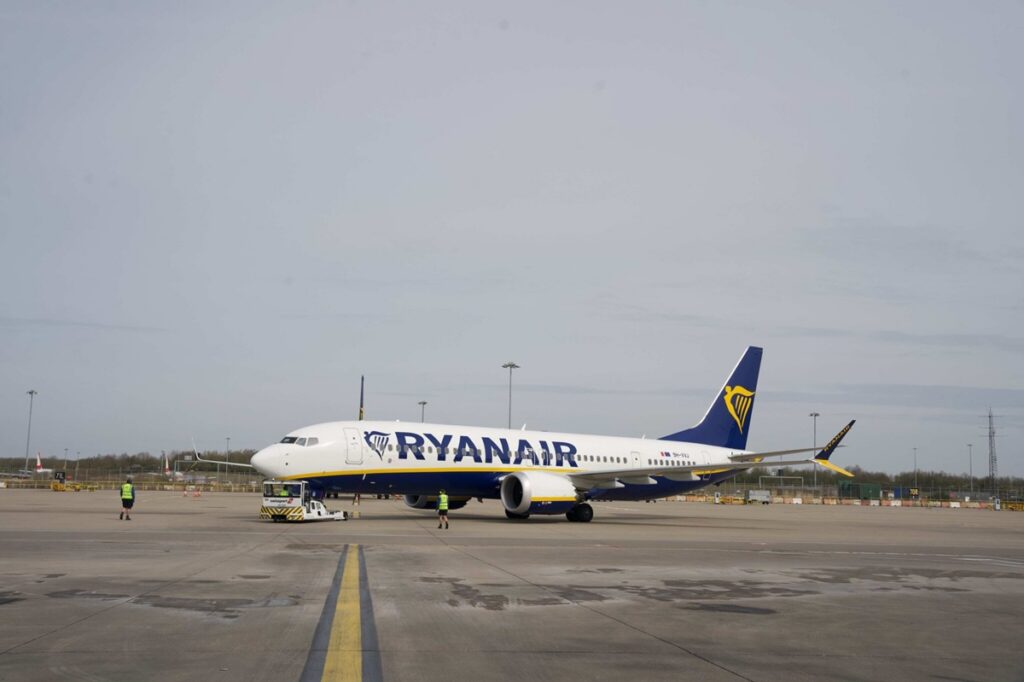
Ryanair aircraft on the tarmac as the airline confirms major route cuts in Belgium. Credit : www.corporate.ryanair.com
Ryanair has never been known for holding its tongue – and this time, Belgium is firmly in its firing line. The Irish low-cost giant has announced a dramatic cut to its Belgian operations after the federal government confirmed yet another round of aviation tax increases.
From the winter of 2026, Ryanair will scrap 20 routes across Brussels and Charleroi, withdraw five aircraft, and remove one million seats from the Belgian market. That’s roughly 22 per cent of its total capacity in the country – gone overnight.
And the message from Ryanair is crystal clear: raise taxes, lose flights.
“Insane and harmful”: Ryanair slams Belgium’s new aviation taxes
At the heart of the dispute are two separate charges Belgium wants to impose to help finance its ecological transition.
First, the federal passenger tax – already raised last summer – is set to climb further, reaching €10 in 2027 and €11 in 2029. The government expects the increases to generate up to €184 million annually.
On top of that, Charleroi’s city council plans to introduce a new €3-per-passenger local tax to boost municipal finances.
For Ryanair, this is the tipping point.
Jason McGuinness, the company’s commercial director, didn’t mince his words:
“These repeated hikes make Belgium completely uncompetitive.”
Other airlines agree the taxes are excessive – though unlike Ryanair, they are not pulling capacity. Brussels Airlines has simply warned that passengers will see the increases reflected directly in ticket prices.
France and Spain has already felt Ryanair’s retaliation – and Belgium is next
This isn’t an isolated fight. Ryanair has followed the same playbook across Europe wherever governments raise flying taxes.
In France, the airline has already pulled out of Bergerac, Brive, Strasbourg and Vatry, warning that more airports could be axed before summer 2026 if the country keeps tightening fiscal pressure on aviation.
Michael O’Leary issued the warning back in August: “We have cheaper alternatives elsewhere. If France raises taxes again, we will reduce our capacity again.”
The French government was far from impressed. Transport Minister Philippe Tabarot fired back, telling O’Leary to focus on improving Ryanair’s service “instead of lecturing the government.”
France’s latest budget tripled the TSBA airline solidarity tax, adding €4.77 to domestic and European tickets and up to €120 on long-haul business-class fares. A recent report from the civil aviation authority confirmed the obvious: higher taxes have pushed demand down.
In Spain, Ryanair announced in January 2025 that it would slash around 800,000 summer seats. At the end of the summer, Ryanair announced it would cut 1 million seats in Spain before adding another million to the total, reaching 2 million seats cut overall, shutting down operations at Jerez and Valladolid after accusing state operator Aena of ‘excessive’ fees. Aena replied that the rise amounted to only €0.68 per passenger and accused Ryanair of spreading ‘lies.’
What passengers can expect now
Ryanair’s withdrawal will hit Belgium hard. Fewer aircraft and fewer routes mean:
- higher fares during peak periods,
• less choice for regional travellers,
• reduced competition at Brussels and Charleroi,
• and an increased reliance on more expensive carriers.
For Ryanair, this is simply business: defend the low-cost model at all costs, and shift aircraft to countries with friendlier tax environments. For passengers, it means fewer cheap seats and more crowded flights.
Belgium argues the taxes are necessary for ecological responsibility. Ryanair sees them as punishment for travellers. The standoff is unlikely to end soon.
What is certain, however, is that Ryanair will keep using its route map as leverage – and any country considering a similar tax increase will be watching Belgium very closely.
Stay tuned with Euro Weekly News for more news from Belgium
Sign up for personalised news
Subscribe to our Euro Weekly News alerts to get the latest stories into your inbox!
By signing up, you will create a Euro Weekly News account if you don't already have one. Review our Privacy Policy for more information about our privacy practices.





Farah Mokrani
Farah is a journalist and content writer with over a decade of experience in both digital and print media. Originally from Tunisia and now based in Spain, she has covered current affairs, investigative reports, and long-form features for a range of international publications. At Euro Weekly News, Farah brings a global perspective to her reporting, contributing news and analysis informed by her editorial background and passion for clear, accurate storytelling.
Comments