Flying with Ryanair in 2026? These routes are disappearing across Europe
By Farah Mokrani • Published: 06 Jan 2026 • 9:58 • 4 minutes read
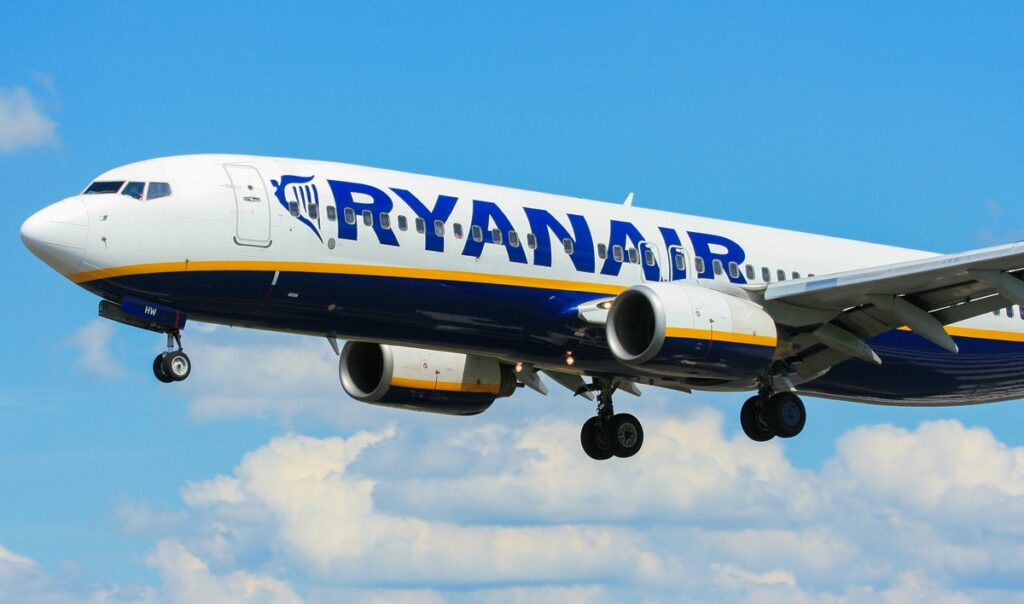
Ryanair is cutting dozens of routes across Europe in 2026, affecting millions of passengers Credit : MS_Digital, Shutterstock
If you regularly fly with Ryanair, 2026 may come with a few unpleasant surprises. Europe’s biggest low-cost airline has confirmed wide-ranging route cuts across several countries, affecting everything from major cities to regional airports that rely heavily on budget travel. From Berlin to Tenerife, passengers will see fewer options, reduced frequencies and, in some cases, complete withdrawals.
Ryanair insists this is not about falling demand. Instead, the airline says rising airport charges, air traffic control costs and national aviation taxes are forcing it to rethink where it places its aircraft. While it continues to expand in countries it considers more “cost-friendly”, other markets are paying the price.
Below is a practical guide to where Ryanair is cutting routes in 2026, why it’s happening, and what it means for travellers.
Germany: dozens of routes dropped and airports left behind
Germany is among the hardest-hit countries. Ryanair has already confirmed that 24 routes will be removed for the winter 2025–26 season, cutting nearly 800,000 seats. Airports affected include Berlin, Hamburg, Cologne, Memmingen, Frankfurt-Hahn, Dortmund, Dresden and Leipzig.
For some airports, the impact goes beyond seasonal changes. Ryanair has confirmed that operations at Leipzig, Dresden and Dortmund will remain suspended throughout 2026, not just during the winter timetable. For travellers in these regions, that means fewer low-cost options and longer journeys to alternative airports.
The airline has been particularly outspoken about Germany’s aviation policy, blaming high air traffic control and security fees, frequent airport changes and what it calls excessive air taxes. Ryanair argues that while other European countries are cutting fees to boost traffic and tourism, Germany is doing the opposite.
It has also pointed out that Germany’s aviation market is still operating below pre-pandemic levels, and warned that further reductions are possible unless costs are lowered. At the same time, Ryanair says it would be willing to restore capacity if conditions improve.
Spain: regional airports lose out, Tenerife North flights gone
Spain is also facing deep cuts, particularly outside the major hubs. After already removing around one million seats from its winter 2025 schedule, Ryanair plans to cut a further 1.2 million seats from summer 2026 in regional Spain.
Some of the changes are significant. Ryanair is pulling out entirely from Asturias and Vigo, while its base at Santiago de Compostela is closing. Capacity is also being reduced further at Santander and Zaragoza.
In the Canary Islands, all flights to Tenerife North have been stopped, a move that has already caused frustration among local travellers. Bases at Jerez and Valladolid remain closed, and there is no indication they will reopen in 2026.
Ryanair has been openly critical of Spain’s airport operator Aena, accusing it of applying similar fees at small, underused airports as at major hubs like Madrid and Barcelona. The airline also points to what it calls “illegal baggage fines”, referring to Spain’s tougher rules on cabin baggage fees introduced in 2024.
According to Ryanair, these costs make regional Spanish airports less competitive than alternatives in Italy, Morocco or Eastern Europe. That said, travellers may not be left completely stranded. Airlines such as Vueling, Iberia, Binter and Wizz Air have stepped in on several routes, limiting the overall impact.
France: more uncertainty ahead despite one comeback
France has already seen significant cuts. Ryanair removed 750,000 seats and 25 routes from its winter 2025 programme, suspending all flights to Bergerac, Brive and Strasbourg.
There is one partial reprieve. After negotiations with French authorities, flights to Bergerac are due to return in summer 2026. However, services to Brive and Strasbourg remain suspended, and Ryanair has warned that more French regional airports could lose routes next summer.
The main issue, once again, is aviation tax. Ryanair argues that France’s tax structure makes regional routes financially unviable. Speaking to French business magazine Challenges, the airline’s commercial director said Ryanair could leave more regional French airports in summer 2026 if costs are not addressed.
Belgium: fewer flights and aircraft removed
Belgium is another country where Ryanair is cutting back sharply. For the winter 2026–27 season, the airline plans to remove 20 routes and around one million seats from Brussels and Charleroi.
This represents a 22 per cent reduction in Ryanair’s capacity in Belgium, with five aircraft being removed from its Belgian bases. Destinations affected include Milan Bergamo, Barcelona, Lisbon, Rome Ciampino, Kraków and Mallorca, among others.
The key reason is Belgium’s new aviation tax, which will double to €10 per passenger. Ryanair argues that higher taxes will ultimately push fares up and reduce passenger numbers, citing examples in Austria and Germany.
Portugal: Azores flights scrapped entirely
One of the most striking decisions concerns Portugal. From the end of March 2026, Ryanair will end all six routes to and from the Azores, affecting an estimated 400,000 passengers per year.
This move alone cuts around 22 per cent of Ryanair’s capacity in Portugal and also impacts flights from Lisbon and Porto. Ryanair blames rising air traffic control charges imposed by airport operator ANA, EU emissions costs and a new €2 travel tax.
ANA has strongly denied Ryanair’s accusations, insisting that fees in the Azores remain low and that dialogue is ongoing. Still, for island residents and visitors, the loss of Ryanair routes is likely to mean fewer choices and higher prices.
Bosnia and Serbia: smaller cuts, but still felt
Ryanair is also reducing flights in Bosnia and Serbia during summer 2026. At Banja Luka, weekly departures will fall from six to two, while at Niš the airline is cutting two weekly flights, including services to Vienna and Malta.
Ryanair says these changes are part of a wider strategy to move aircraft to markets with stronger summer demand, such as Croatia.
What this means for travellers
For passengers, the impact will depend largely on where you fly from. Major airports may notice little difference, while regional travellers could lose their most affordable routes entirely. In some cases, competitors will step in. In others, travellers may need to connect via larger hubs or pay more.
What is clear is that Ryanair is not retreating, but reshuffling. The airline continues to grow in countries that cut airport fees and aviation taxes, while pulling back from markets it sees as too expensive.
Before booking for 2026, it’s worth checking whether your usual Ryanair route is still operating. The departure boards may look familiar — but behind the scenes, Europe’s low-cost map is being quietly redrawn.
Stay tuned with Euro Weekly News for more news about Travel
Follow Euro Weekly News on Google News
Get breaking news from Spain, travel updates, and expat stories directly on your Google News feed.
Follow on Google NewsSign up for personalised news
Subscribe to our Euro Weekly News alerts to get the latest stories into your inbox!
By signing up, you will create a Euro Weekly News account if you don't already have one. Review our Privacy Policy for more information about our privacy practices.




Farah Mokrani
Farah is a journalist and content writer with over a decade of experience in both digital and print media. Originally from Tunisia and now based in Spain, she has covered current affairs, investigative reports, and long-form features for a range of international publications. At Euro Weekly News, Farah brings a global perspective to her reporting, contributing news and analysis informed by her editorial background and passion for clear, accurate storytelling.
Comments