Amazon vs Starlink: Globalstar acquisition intensifies satellite internet race
By Elli Freeman • Updated: 16 Apr 2026 • 16:48 • 2 minutes read
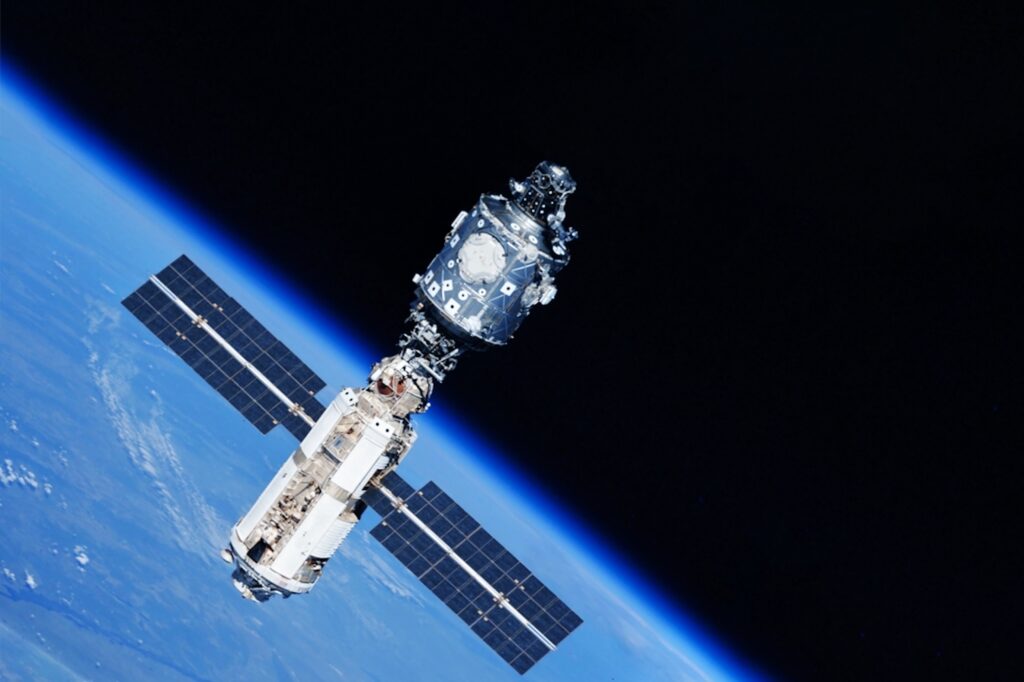
Amazon acquire Globalstar, adding new satellites to fleet Credit: Shutterstock, Artsiom P
Amazon are shooting for the stars with the announcement of its latest acquisition: Globalstar, a mobile satellite operator. This deal, worth approximately €10.5 billion, will add two dozen satellites to Amazon’s fledgling fleet and significantly accelerate its ambitions in the direct-to-device connectivity market.
Globalstar acquisition and deal structure
Global shareholders will receive either a cash payment of €75 or 0.3210 common shares of Amazon for each share of Globalstar they own. The transaction strengthens a wider commercial partnership in which Amazon will fund and utilise Globalstar’s existing and future satellite capacity to support its expanding network ambitions.
According to Amazon’s announcement, the deal is designed to enhance its ability to deliver direct-to-device services globally, building on its broader satellite internet programme, commonly referred to as Amazon Leo. The integration of Globalstar’s constellation is expected to help bridge coverage gaps while Amazon’s own satellites are deployed at scale.
Direct-to-device connectivity and satellite internet expansion
The race to conquer the satellite-based connectivity market is heating up as tech companies invest billions into the sector. A global satellite network would offer customers direct-to-device connections, removing the need for ground-based cell towers and enabling smartphones and IoT devices to connect directly from orbit.
Amazon’s projections anticipate the deployment of around 3,200 low Earth orbit satellites by 2029, forming the backbone of its broadband and mobile connectivity services. The company also plans to begin launching its satellite internet services in the second half of 2026, marking a direct challenge to established players in the sector.
Apple partnership and emergency services continuity
In 2024, Apple invested around €1.27 billion into Globalstar, which powered key Apple features, including its emergency SOS via satellite system. Following Amazon’s acquisition, Amazon and Apple have signed an agreement to continue supporting satellite-based safety features, ensuring continuity for existing users and services.
This ongoing collaboration highlights how satellite infrastructure is increasingly shared across competing tech ecosystems, particularly for critical safety and emergency communications.
Competing With Starlink in the Satellite Internet Market
Amazon’s acquisition of Globalstar marks one step in its broader attempt to compete against Elon Musk’s space firm SpaceX, whose Starlink network currently operates thousands of satellites in low Earth orbit and serves millions of users worldwide.
While Starlink maintains a significant lead in deployed satellites and active subscribers, Amazon’s strategy focuses on integrating commercial partnerships like Globalstar alongside its own network to rapidly scale coverage. The result is an intensifying global satellite race, where connectivity, speed of deployment and device integration will define market leadership in the coming years.
Sign up for personalised news
Subscribe to our Euro Weekly News alerts to get the latest stories into your inbox!
By signing up, you will create a Euro Weekly News account if you don't already have one. Review our Privacy Policy for more information about our privacy practices.





Elli Freeman
Originally from the UK, Elli has lived in Spain for more than half of her life. She holds a B.A in English Literature and Creative Writing. Before joining the Euro Weekly News team, Elli was an avid traveller, with a keen interest in exploring new cultures.
Comments