Estepona’s budget breakthrough: €40M surplus and zero debt in 2025
By Elli Freeman • Published: 16 Apr 2026 • 18:21 • 2 minutes read
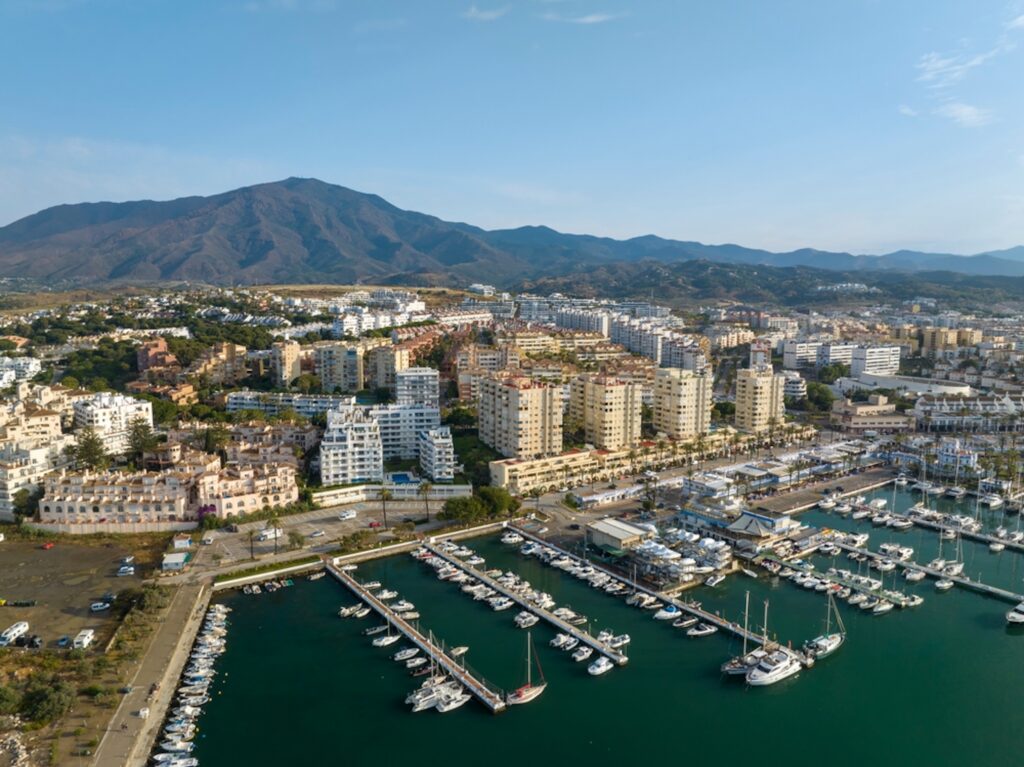
Estepona now debt free Credit: Shutterstock, Antonio Ciero Reina
Estepona has closed 2025 with a strong set of financial results that underline the town’s continued growth and stability. The municipality ended the year with a €40.29 million surplus, more than €90 million in cash reserves, and – most notably -zero debt.
The figures were presented during the latest Pleno session and reflect a year in which the council not only strengthened its finances but also continued investing heavily in local infrastructure and public services.
A major financial milestone: debt completely cleared
One of the most significant developments is that Estepona is now completely debt-free.
During 2025, the council made an early repayment of €25.37 million, fully eliminating the municipality’s inherited debt. It marks a major milestone in the town’s recent financial history and has helped reshape its economic outlook.
For residents, this shift has already had a visible impact, including a cumulative 50% reduction in the IBI property tax.
Strong reserves: over €90 million in the bank
Alongside the surplus, Estepona finished the year with €90.11 million in bank accounts at the end of December 2025.
While this shows a very strong liquidity position, the council noted that national rules limit how municipalities can use these funds, an ongoing issue that local authorities across Spain continue to raise with central government and the FEMP.
Investment continues across key projects in the town
Despite regulatory constraints, Estepona has maintained a steady pace of investment. Around €14.07 million has been allocated to ongoing and planned works, including:
- The Parque Central Boulevard project
- Urban improvements in Retamar and Llanos de Guadalmanza
- Road resurfacing programmes
- Park upgrades and green spaces
- Energy efficiency improvements
- Expansion of underground parking
- Extension of the coastal corridor
These projects are part of a wider €27.7 million municipal investment plan for the current year, which also includes major works around the Iglesia del Carmen and continued development of central urban areas.
Efficient management: payments made in just 16 days
The financial report also highlights improved administrative efficiency. The average payment period to suppliers now stands at just 16 days, placing Estepona among the faster-paying councils in the country. For local businesses and contractors, this means quicker payments and improved cash flow when working with the municipality.
Beyond finances, the Pleno also approved an update to Estepona’s Local Emergency Plan for Forest Fires (PLEIF).
The plan sets out how the municipality responds to wildfire risks, including updated resources, coordination procedures, and the organisation of emergency services. It is reviewed regularly to ensure the town remains prepared during high-risk periods.
Recognition for the Consular Corps of Málaga
In a further decision, the council agreed to name a public space in honour of the Consular Corps of Málaga, recognising their role in supporting international residents and strengthening links with the foreign community.
With a large surplus, zero debt, strong reserves and continued investment, Estepona enters 2026 in a position of financial strength—while continuing to expand and modernise the town’s infrastructure and services.
Sign up for personalised news
Subscribe to our Euro Weekly News alerts to get the latest stories into your inbox!
By signing up, you will create a Euro Weekly News account if you don't already have one. Review our Privacy Policy for more information about our privacy practices.





Elli Freeman
Originally from the UK, Elli has lived in Spain for more than half of her life. She holds a B.A in English Literature and Creative Writing. Before joining the Euro Weekly News team, Elli was an avid traveller, with a keen interest in exploring new cultures.
Comments