Murcia launches 24-hour helpline to tackle loneliness among elderly residents
By Natascha Rivera • Published: 17 Apr 2026 • 14:17 • 1 minute read
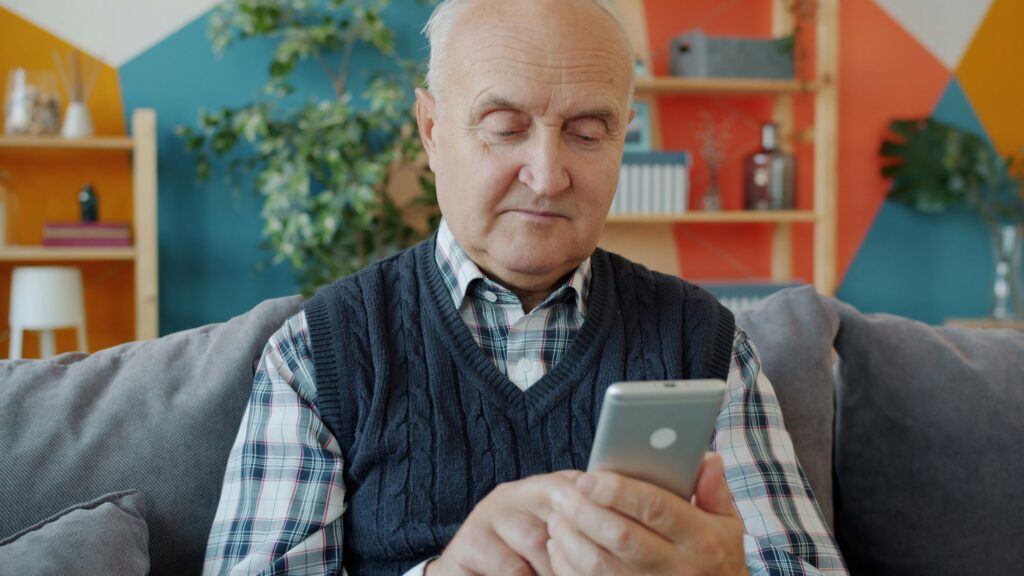
Murcia launches helpline and strategy to reduce elderly loneliness. Photo Credit: Vitaly Gariev / Unsplash
The Region of Murcia has presented the first Regional Strategy to combat loneliness in its older residents, with the implementation of a 24-hour help line that provides support and intervention. The help line, 065, is managed by the Telephone of Hope, a non-profit organisation that has been operating in the region for nearly 50 years.
Emotional support for the Region’s elderly residents
The aim of the help line is to offer listening, emotional support, and accompaniment for older residents of the region. Additionally, the help line has been put into place to detect possible risk situations involving the residents.
The plan detailed in the Regional Strategy includes the creation of local committees in all municipalities of the region, involving social services, health centres, senior centres, and shops and pharmacies, in order to effectively activate alert signals for possible cases of isolation.
The strategy has been outlined following a period of careful and thorough research. Data extracted from the investigation has shown that one in five people over the age of 65 admit to feeling lonely, a situation that can worsen with age, health problems, or the loss of a friend or loved one.
To be developed between 2026 and 2030, this strategy is estimated to benefit more than 50,000 elderly people in the Region of Murcia, and improve the coordination and organisation of existing resources.
What is Telephone of Hope?
Teléfono de la esperanza, or Telephone of Hope, is a non-profit organisation that has been operating in the Region of Murcia for an astounding 47 years. According to the organisation’s official website, the group aims to “provide mental health care to all those who need it or who are experiencing any kind of psychological conflict or problem, through telephone or in-person sessions.” Its facilities offer both individual and group support on a variety of topics and concerns. The organisation also offers various courses, workshops, and support groups led by professionals trained in different specialties, “equipping people with resources they can use in their daily lives.”
Sign up for personalised news
Subscribe to our Euro Weekly News alerts to get the latest stories into your inbox!
By signing up, you will create a Euro Weekly News account if you don't already have one. Review our Privacy Policy for more information about our privacy practices.




Natascha Rivera
Natascha is a Dominican writer based in Spain with a background in audiovisual and marketing communication. A lifelong reader and passionate storyteller, she brings a creative edge to her work at Euro Weekly News. Her multicultural perspective informs her coverage of lifestyle and community stories, offering fresh angles and relatable storytelling that connects with a diverse audience.
Comments