FBO etiquette guide for first-time private flyers in Europe
By Guest Writer • Published: 30 Apr 2026 • 9:51 • 3 minutes read
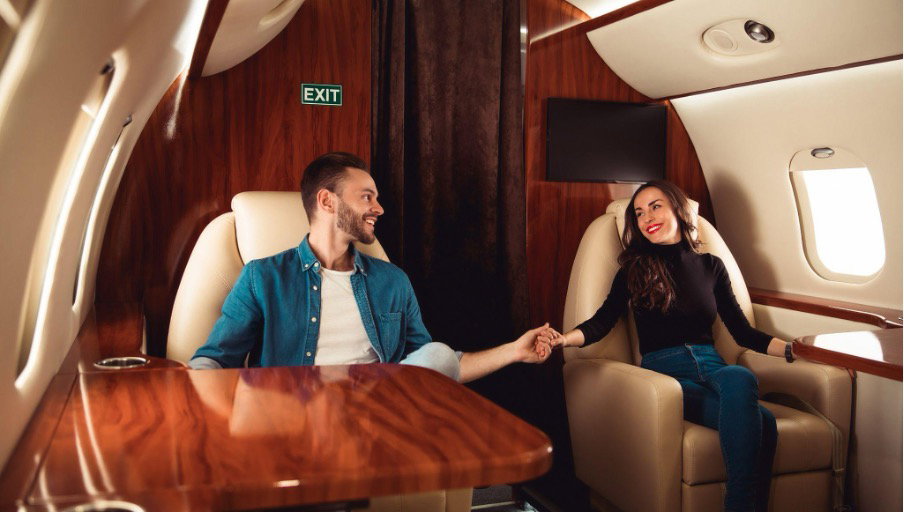
Image: Shutterstock
If you’re used to commercial airports, the first thing that hits you is how little is happening. No queues, no announcements, no screens telling you where to go. At places like Farnborough or Nice Côte d’Azur, you walk into a quiet reception where staff already know who you are.
Check-in takes seconds. In some cases, you’re through before you’ve properly taken it in. You might be offered a coffee, or you may be taken straight through, depending on how close the aircraft is to departure. Timing matters more than people expect. Most operators want you there 15 to 30 minutes before take-off, and at busy summer airports like Palma or Nice, arriving late can mean losing your slot entirely. If you’ve booked through a private jet charter, your broker will usually flag this, but it’s still on you to get it right.
Dress codes are relaxed, but still thoughtful
There’s no written dress code, but there is an unspoken one. People tend to look put together without making a point of it. A shirt, tailored trousers, and clean shoes. Nothing complicated.
The shift between locations is noticeable. Ibiza leans casual, Geneva doesn’t. What stands out quickly is anything that looks careless. Flip-flops, gym sets, loud branding. It’s less about rules and more about reading the environment you’re in.
Keep documents ready, even if no one asks twice
It’s easy to forget you’re still crossing borders. The process is quieter, not more relaxed. In Spain, France, or Italy, passport checks often happen inside the terminal. In the UK, you may be met by Border Force before you even reach the aircraft.
Have your passport ready as you walk in. Staff move quickly, and small delays become obvious fast. What catches people off guard is how little time there is to react once things start moving.
Luggage etiquette is different here
Your bags are taken almost immediately, but that doesn’t mean there’s unlimited space. On smaller jets, every item is planned for and balanced.
Soft bags tend to work best. They can be adjusted and fitted into tighter compartments. Hard-shell suitcases are where issues come in, especially when a group arrives with several. It’s not unusual for something to be removed at the last minute. People don’t expect that until it happens.
Respect the quiet atmosphere
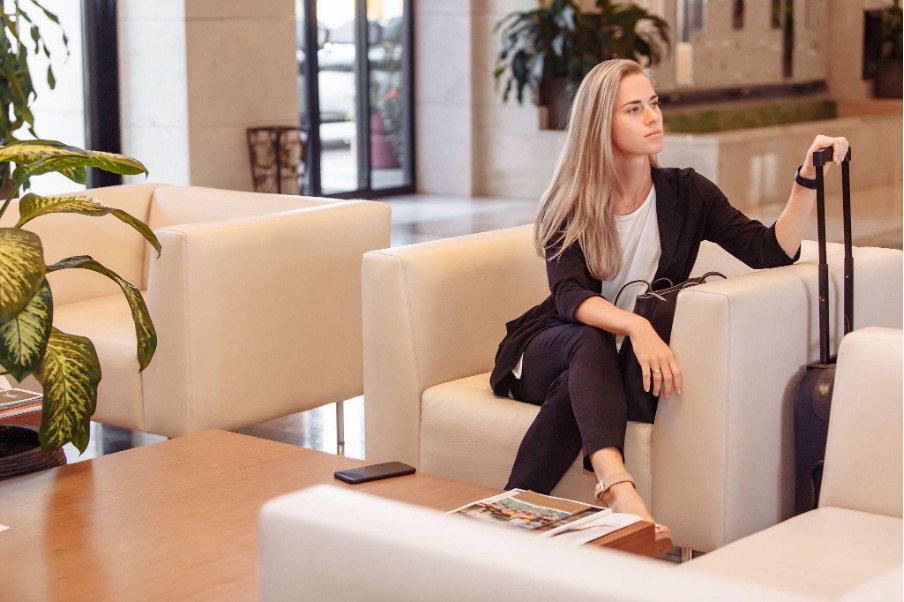
Most FBO lounges feel closer to a private office than a waiting area. In Geneva or Le Bourget, people are often working, reading, or taking short calls.
There’s no strict rulebook, but the tone is easy to pick up. Keep calls short and your voice low. If the space is empty, it won’t matter. If it isn’t, you’ll notice straight away how different it feels from a standard terminal.
Photography is not always welcome
This is one of the more common missteps. The setting feels private, and the instinct is to take photos. In many European FBOs, that’s not encouraged.
Privacy is taken seriously, particularly in Zurich and Farnborough. If you want a quick photo near the aircraft, ask first. Most crews will allow it if timing works. Walking onto the apron unescorted or filming without checking tends to get shut down quickly.
Boarding is quick, so stay close
There’s no build-up to boarding. When the aircraft is ready, someone will come and get you, often by name, and within moments you’re on the move.
It sounds obvious, but people do drift. A quick call outside, a cigarette, a distraction. At airports with tighter controls, like Milan Linate or Nice, that can slow everything down. The biggest adjustment for most first-time flyers isn’t the setting; it’s how little margin there is for delay.
Interacting with crew and staff
The service feels personal, but it’s still structured. A simple greeting and being clear about what you need usually keeps things smooth.
Most details are arranged before you arrive. Catering, drinks, timing. Trying to change things at the last minute rarely works, especially on shorter routes. The flights that run well are usually the ones where nothing needs to be adjusted on the day.
Tipping practices across europe
Tipping isn’t built into the process, but it does happen. If someone has handled luggage, arranged transport, or stepped in to help with a last-minute issue, it’s appreciated.
There’s no set rule. Around €10 to €50, depending on what’s been done, is typical. In the UK or Germany, it’s less common. In Spain or Greece, people are more used to it, but it’s still low-key and discreet.
Leaving the FBO on arrival
Arrivals tend to move even faster than departures. You step off the aircraft and are either walked or driven a short distance to the terminal. If passport control is needed, it’s handled quickly and without queues. Your car is usually waiting with the engine running, either just outside or on the apron itself. There’s no reason to hang around. These spaces are built for movement, not downtime. The biggest mistake first-time flyers make is treating the whole experience like a hotel. It isn’t. It’s structured, timed, and quietly efficient. Watch how the staff operate, follow their lead, and by the second flight, it all starts to feel straightforward.
Sign up for personalised news
Subscribe to our Euro Weekly News alerts to get the latest stories into your inbox!
By signing up, you will create a Euro Weekly News account if you don't already have one. Review our Privacy Policy for more information about our privacy practices.




Guest Writer
Comments