Why Spain celebrates Mother’s Day today and the story behind the date
By Farah Mokrani • Published: 03 May 2026 • 14:51 • 4 minutes read
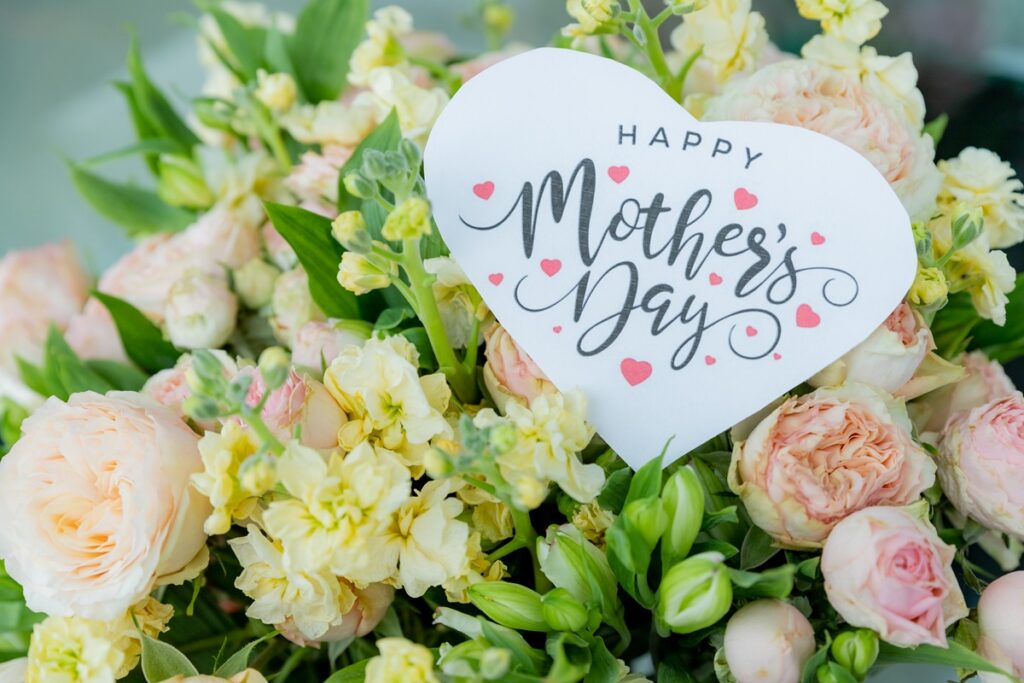
Flowers and cards mark Mother’s Day celebrations across Spain on the first Sunday of May Credit : Yulia YasPe, Shutterstock
If you are in Spain this sunday May 3, you are likely seeing the same scene across the country. Flowers selling fast, restaurants full and families gathering around the table. Mother’s Day is being celebrated today, following the tradition of marking it on the first Sunday of May. But the date itself is not as obvious as it seems. It was not always in May, and its origins go much further back than most people realise.
What looks like a simple family celebration today is actually the result of centuries of traditions, changes and decisions that slowly shaped it into what it is now.
From ancient rituals to a family tradition
Long before Mother’s Day became a fixed date in Spain, the idea of honouring motherhood already existed.
In ancient Greece, people paid tribute to Rhea, known as the mother of the gods. These celebrations were tied to nature and fertility, and they marked the importance of maternal figures in society.
The Romans followed with their own version. They celebrated a festival called Hilaria, dedicated to the goddess Cybele. It took place in March and lasted several days, showing that the idea of celebrating mothers was already deeply rooted in early cultures.
Over time, these traditions changed as societies evolved.
With the spread of Christianity, the focus moved towards the Virgin Mary. In several European countries, a day known as Mothering Sunday appeared. It had a religious meaning but also became a moment when families reunited, especially for those working away from home.
These early traditions are often mentioned as the origin of Mother’s Day, but the version we know today comes from a much more recent period.
How the modern version of Mother’s Day began
The Mother’s Day we recognise today took shape in the 19th century.
In the United States, activist Julia Ward Howe proposed the idea of a day dedicated to mothers. Her intention was not commercial or even purely family focused. She wanted a day that would bring people together after conflict, especially following the Civil War.
Over time, the meaning of the day shifted. It became less about public gatherings and more about private life. Families began to mark the occasion in their own way, and the idea spread to other countries.
As it did, each country adapted the date. Some followed the American model, celebrating it in May. Others kept their own traditions or chose different moments in the year. That is why Mother’s Day is not celebrated on the same date everywhere.
Why Spain chose the first Sunday of May
Spain did not always celebrate Mother’s Day in May. For many years, it was linked to December 8, the day of the Immaculate Conception. The celebration was more closely tied to religion than to family life.
Eventually, the decision was made to separate the two. Moving Mother’s Day to May made it more distinct and also brought Spain in line with other countries that were already celebrating it around the same time. The choice of May was not random.
The month is traditionally associated with the Virgin Mary in the Catholic calendar, which gave the date a cultural connection that still made sense locally. At the same time, celebrating in spring helped shape the more relaxed and family centred atmosphere people recognise today.
Spain settled on the first Sunday of May, while other countries, including the United States, opted for the second Sunday. That difference still causes confusion every year, especially for families living between countries.
What Mother’s Day looks like in Spain today
In practice, Mother’s Day in Spain has become a very simple and familiar occasion. It is a day built around small gestures. A meal together, a bouquet of flowers, a message or a phone call. Shops prepare for it in advance, and restaurants expect one of their busiest weekends of the season.
For many families, it is less about gifts and more about time. It is one of those moments in the year when people make an effort to come together, even if life is usually busy. That is what keeps the tradition strong.
At the same time, the way people celebrate has changed over the years.
Families are not all the same, and the idea of motherhood has evolved. The day now reflects different situations and relationships, but the intention remains similar. It is about recognising a role that is central in many lives.
A date that stayed but a meaning that keeps changing
The date of Mother’s Day in Spain is now well established. Every year, it falls on the first Sunday of May, and that is unlikely to change. But the meaning behind it is not fixed.
What started as ancient rituals, moved through religious traditions and later became a social idea has now settled into everyday life. It is no longer about large public events or political messages. It is something quieter.
People celebrate it in their own way. Some go out, others stay at home. Some buy gifts, others keep it simple. What matters is the intention behind it, not the form it takes and that is probably why the tradition continues.
Even after centuries of changes, Mother’s Day remains one of those dates that people do not need to be reminded of. They already know what it means for them.
Sign up for personalised news
Subscribe to our Euro Weekly News alerts to get the latest stories into your inbox!
By signing up, you will create a Euro Weekly News account if you don't already have one. Review our Privacy Policy for more information about our privacy practices.


Farah Mokrani
Farah is a journalist and content writer with over a decade of experience in both digital and print media. Originally from Tunisia and now based in Spain, she has covered current affairs, investigative reports, and long-form features for a range of international publications. At Euro Weekly News, Farah brings a global perspective to her reporting, contributing news and analysis informed by her editorial background and passion for clear, accurate storytelling.
Comments