UK travel alert : Airlines can now change your flight before you even leave home
By Farah Mokrani • Published: 04 May 2026 • 14:25 • 4 minutes read
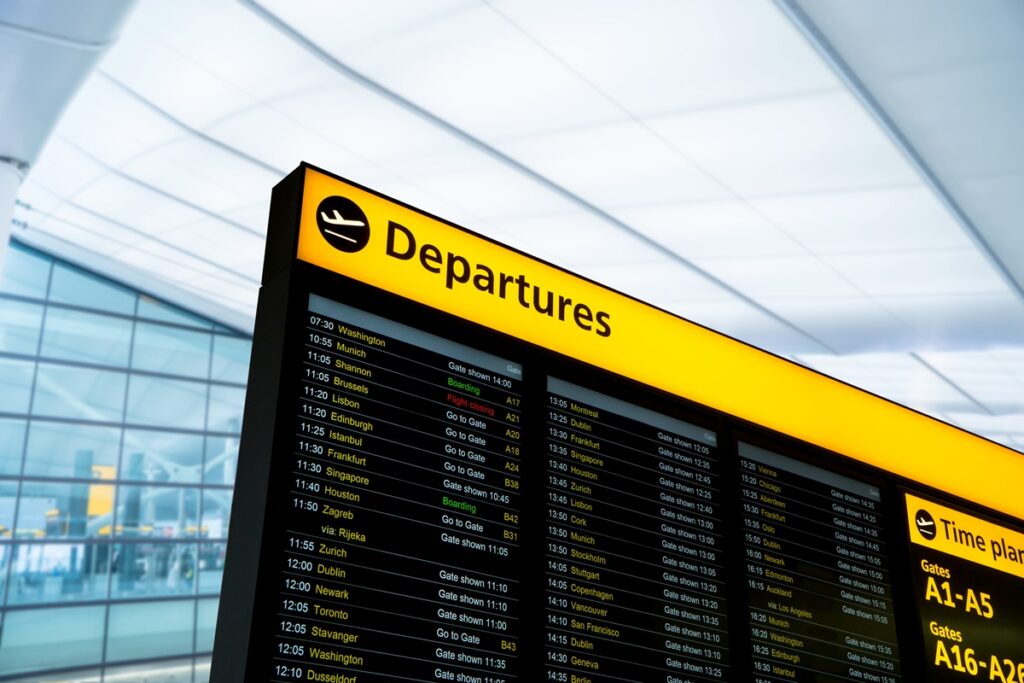
Flight schedules may change earlier this summer as UK airlines gain new flexibility Credit : alice-photo, Shutterstock
If you have a flight to or from the UK booked for this summer, there is something new you should be aware of. The British government has decided to temporarily allow airlines to cancel or rearrange flights in advance without losing their airport slots, in response to concerns over possible fuel disruption.
There is no shortage of fuel right now, and flights are operating normally. But the decision means airlines can adjust their schedules weeks ahead of time if they feel there is a risk. For passengers, that could mean changes landing in your inbox well before you even think about heading to the airport.
Why the UK is giving airlines more flexibility this summer
The change is tied to how the aviation system normally works.
At busy airports like Heathrow or Gatwick, airlines are expected to use at least 80 per cent of their allocated take off and landing slots. If they do not, they risk losing them in future seasons. These slots are valuable, and airlines usually try to keep hold of them at all costs.
The government has now decided to relax that rule for a limited period.
If airlines believe their operations could be affected by fuel constraints, they can reduce flights without being penalised. The aim is to help them plan ahead instead of reacting at the last minute.
The background to this decision lies in the UK’s reliance on imported jet fuel. Around two thirds of it comes from abroad, with a significant share linked to the Middle East. Tensions in the region have raised concerns about potential disruption, even though supply remains stable for now.
Officials have stressed that this is a precaution, not a response to an immediate crisis.
What this means if you are travelling
For passengers, the difference is likely to come down to timing. In previous situations, flight cancellations often happened late, sometimes just hours before departure. That is exactly the kind of disruption the government wants to avoid this time.
Instead, airlines now have the option to adjust their schedules earlier.
You could be moved to another flight, see your departure time change or find that a service has been removed altogether. These changes may come days or even weeks before your trip.
On routes with several daily flights, airlines may combine passengers onto fewer departures. This helps reduce fuel use and keeps aircraft full, but it can also mean less choice when it comes to travel times.
For routes with fewer options, the impact could be more noticeable. A cancelled flight might mean waiting longer for an alternative or adjusting plans more significantly.
The idea behind the policy is that early notice gives passengers time to react, rebook or request a refund if needed.
Why the move is already being questioned
Not everyone is comfortable with the change. Some consumer groups and political voices have raised concerns about how this flexibility could be used. The worry is that airlines might cut back on certain flights even if fuel supply remains stable, especially on routes that are less profitable.
For travellers, that could translate into fewer options and more frequent changes.
There is also the question of communication. How clearly and how quickly airlines inform passengers will make a big difference to how this plays out in practice.
Passenger rights do not disappear under this system. In many cases, if your flight is changed or cancelled, you are still entitled to a refund or an alternative service. But that does not remove the inconvenience of having to reorganise a trip.
For people with tight schedules, connecting flights or pre booked accommodation, even an early change can have a knock on effect.
How airlines are expected to use the new rules
From the airline perspective, the change offers a way to manage uncertainty.
Rather than waiting to see if a problem develops, they can reshape their schedules in advance. That might involve focusing on key routes, reducing duplicate services or adjusting capacity based on demand.
For example, if several flights on the same route are not full, airlines may decide to combine them. Passengers are moved onto fewer flights, and the overall fuel consumption is reduced.
Routes with fewer alternatives, such as certain holiday destinations, may be protected to avoid cutting off access completely.
The government has also indicated that it may extend these temporary adjustments to cover both the summer and winter 2026 seasons, depending on how the situation evolves.
At the same time, efforts are being made to secure fuel supplies. Authorities are working with refineries and international partners to ensure that any disruption can be managed.
What you should do if you have a flight booked
If you are travelling this summer, the best thing you can do is stay informed. Check your booking regularly in the weeks leading up to your trip. Do not assume that a confirmed flight today will remain unchanged closer to departure.
If you receive a notification about a change, take the time to review your options. Airlines are required to offer alternatives or refunds in many situations, so it is worth looking at what is available.
It is also a good idea to allow a bit more flexibility in your plans where possible, especially if you have connections or fixed arrangements at your destination.
For now, flights are running as usual and there is no immediate disruption. But the system has been adjusted to deal with what could happen, not what is happening today.
And for passengers, that means one thing above all. Your journey may start changing before you even leave home.
Sign up for personalised news
Subscribe to our Euro Weekly News alerts to get the latest stories into your inbox!
By signing up, you will create a Euro Weekly News account if you don't already have one. Review our Privacy Policy for more information about our privacy practices.





Farah Mokrani
Farah is a journalist and content writer with over a decade of experience in both digital and print media. Originally from Tunisia and now based in Spain, she has covered current affairs, investigative reports, and long-form features for a range of international publications. At Euro Weekly News, Farah brings a global perspective to her reporting, contributing news and analysis informed by her editorial background and passion for clear, accurate storytelling.
Comments