Portugal to offer €439 payment and free driving licence in youth military programme proposal
By Molly Grace • Published: 08 May 2026 • 17:07 • 2 minutes read
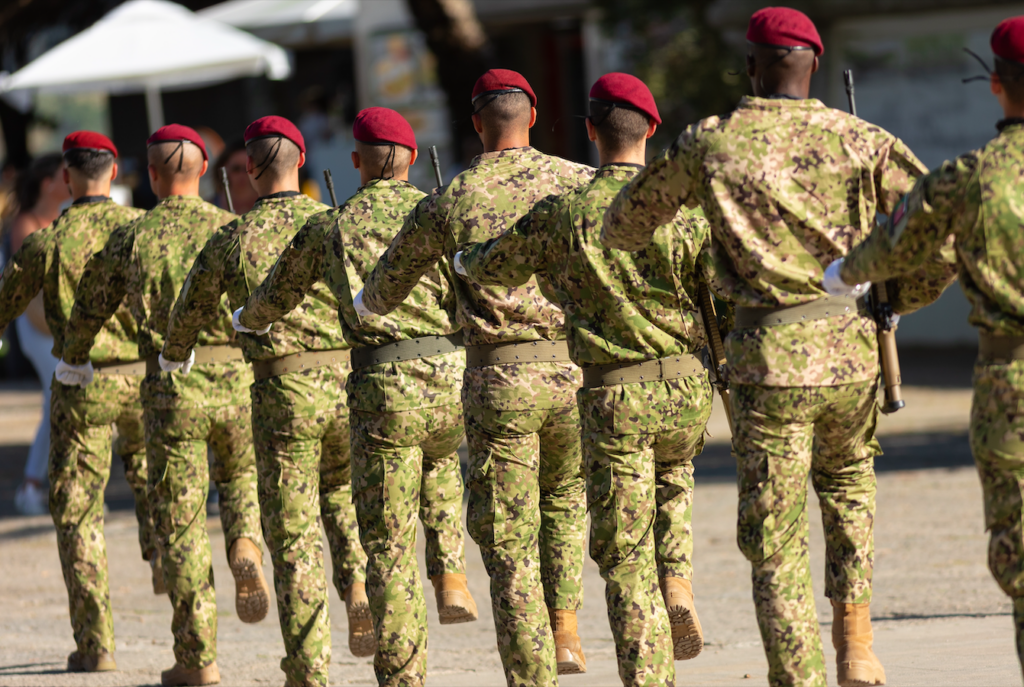
The proposed programme would last between three and six weeks. Photo credit: KONSTANTIN_SHISHKIN/Shuttetstock
Portugal’s government is considering a voluntary civic-military programme that would offer young participants a cash payment and access to a free driving licence as part of a plan to improve recruitment into the armed forces.
The proposal has been put forward by the governing PSD and CDS-PP coalition and is still under discussion in parliament. It has not yet been approved as law. The scheme, referred to in reports as “Defender Portugal” (Defend Portugal), would be aimed at people aged between 18 and 23. Participation would be voluntary.
Training structure and duration
The programme would last between three and six weeks. It would combine civic instruction with basic military training in a supervised environment. Participants would take part in physical preparation, discipline-based activities and sessions focused on civic responsibility. The training would take place in facilities linked to the armed forces.
At the end of the programme, participants would receive a one-off payment of €439.21.
Driving licence and additional benefits
The proposal includes access to a free driving licence. This would be provided through military or state-approved training centres. The scheme also outlines possible advantages for participants when applying for roles in the armed forces and certain public sector positions, including security services.
These advantages would not guarantee employment but could be taken into account during selection processes.
Political position and current status
The initiative has been presented as a way to increase interest in military service among younger age groups. It is intended to address recruitment difficulties in Portugal’s armed forces, which rely entirely on voluntary enlistment following the end of conscription in 2004.
Government representatives have described the programme as optional and temporary in nature. It remains at the proposal stage and requires further parliamentary approval before any implementation. No start date has been confirmed.
Debate within Portugal
The proposal has prompted discussion in parliament over its design and incentives. Supporters argue that the payment and driving licence could encourage participation and provide practical benefits for young people, particularly those in education or early employment.
Opposition figures have questioned the use of financial incentives in connection with military-linked training and have called for further scrutiny of how the scheme would be funded and administered.
What it could mean for young people in Portugal
If introduced, the programme would provide participants with short-term structured training and a financial payment of €439.21. The inclusion of a free driving licence would remove one of the more expensive early costs faced by young adults in Portugal.
Participants would also gain exposure to military environments and basic training, which could be relevant for those considering careers in the armed forces or public services. However, participation would not create an obligation to join the military after completion of the programme.
Wider implications for recruitment
Portugal ended compulsory military service in 2004, moving to a fully voluntary system. Since then, the armed forces have relied on recruitment campaigns and voluntary enlistment to maintain staffing levels.
The proposed programme is designed as a short-term entry route for younger age groups, but its final structure will depend on parliamentary approval and any amendments made during the legislative process.
Sign up for personalised news
Subscribe to our Euro Weekly News alerts to get the latest stories into your inbox!
By signing up, you will create a Euro Weekly News account if you don't already have one. Review our Privacy Policy for more information about our privacy practices.



Molly Grace
Molly is a British journalist and author who has lived in Spain for over 25 years. With a background in animal welfare, equestrian science, and veterinary nursing, she brings curiosity, humour, and a sharp investigative eye to her work. At Euro Weekly News, Molly explores the intersections of nature, culture, and community - drawing on her deep local knowledge and passion for stories that reflect life in Spain from the ground up.
Comments