Hidden medieval structures discovered beneath Dénia Castle will soon open to visitors
By Lottie Verrier • Updated: 26 May 2026 • 10:18 • 2 minutes read
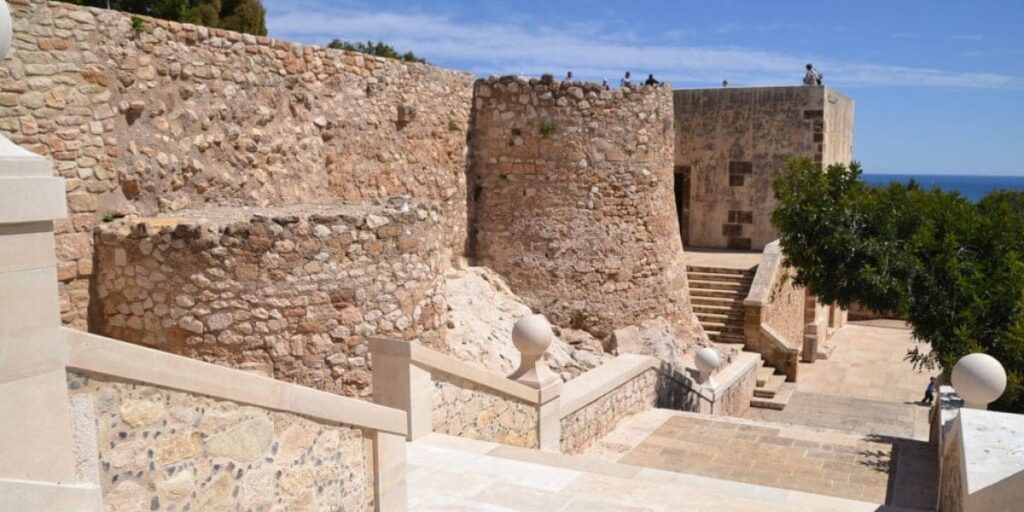
Medieval structures had remained buried for centuries Credit: MACMA
Fresh archaeological discoveries at Dénia Castle are set to become part of the visitor experience after restoration work uncovered hidden medieval structures that had remained buried for centuries.
The latest excavations inside one of the Costa Blanca’s most iconic landmarks revealed a series of historic remains in the Verger Baix area of the fortress, including what experts believe was a small oratory or chapel built against the castle wall. Archaeologists also uncovered an ancient staircase preserved in remarkable condition, offering a rare glimpse into how the fortress once functioned during medieval times.
The discoveries were made during conservation and accessibility works aimed at improving public access across the castle complex. Once restoration is completed, the newly uncovered sections will be incorporated into the official visitor route, allowing tourists to walk through spaces that had remained hidden from public view for generations.
Ancient staircases and hidden rooms uncovered
Among the most striking discoveries is a stone staircase containing ten preserved steps that once connected different defensive areas of the castle. Archaeologists believe it provided access to the wall’s sentry route as well as upper rooms connected to the gatehouse.
Researchers also suspect nearby structures may have formed part of a gatekeeper’s residence, helping historians better understand how daily life operated inside the fortified complex centuries ago.
The work has also helped reconnect several historic parts of the castle through new stepped pathways linking the Portal dels Socors, Portal dels Reis and Verger Baix areas. These improvements are designed to make the archaeological remains more accessible while preserving the integrity of the original structures.
One of Costa Blanca’s biggest attractions
Perched above the city overlooking the Mediterranean, Dénia Castle remains one of the region’s most visited heritage sites. The fortress dates largely from the Islamic period between the 11th and 12th centuries, although the hill itself contains traces of Roman occupation from when Dénia was known as Dianium.
Over the centuries, the castle evolved through Muslim, Christian and Renaissance periods, becoming both a military stronghold and symbol of the city’s strategic importance along the Mediterranean coast.
Tourism and heritage investment continue
The latest restoration forms part of wider heritage investment projects across Dénia aimed at preserving historic landmarks while making them more attractive to visitors.
Local authorities have increasingly focused on combining tourism with cultural conservation, with previous projects including the modernisation of the city’s Archaeological Museum and improvements to accessibility throughout the castle complex.
For visitors, the new discoveries add another layer of intrigue to a monument already packed with centuries of Mediterranean history — and soon, they will be able to explore those secrets up close themselves.
Follow Euro Weekly News on Google News
Get breaking news from Spain, travel updates, and expat stories directly on your Google News feed.
Follow on Google NewsSign up for personalised news
Subscribe to our Euro Weekly News alerts to get the latest stories into your inbox!
By signing up, you will create a Euro Weekly News account if you don't already have one. Review our Privacy Policy for more information about our privacy practices.


Lottie Verrier
Lottie Verrier is a journalist and digital media specialist based in Mallorca. After a decade in London media, including a role as Deputy Editor for the MailOnline’s eCommerce division, she now combines her editorial expertise with a passion for the island to create engaging content that celebrates the best of life in Spain. Instagram @lottieinmallorca
Comments