Two arrested after fake empadronamiento for 18 people at single home for up to €800 each
By Molly Grace • Published: 31 May 2026 • 23:40 • 2 minutes read

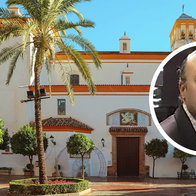
Spanish authorities have previously warned about fraudulent empadronamiento practices. Photo credit: Matthew Figg/Shutterstock
Two men have been arrested in Spain after police uncovered a scheme in which up to 18 people were fraudulently registered at a single address in exchange for payments of up to €800 per person. The investigation focused on a property in El Puig, in the province of Valencia, where officers found that multiple individuals were officially recorded as living at the address despite not residing there in reality.
Authorities say the arrangement was used primarily by people in vulnerable situations, many of them foreign nationals seeking to regularise their administrative status in Spain through municipal registration records. The property was linked to a wider operation in which individuals were allegedly paid to be registered at the address in exchange for money, despite having no genuine connection to the home.
Payments between €150 and €800 per registration
According to police findings reported, those involved in the scheme charged varying amounts depending on the circumstances of each case, with payments ranging from around €150 up to €800 per person.
Investigators identified at least 18 people listed at the same address. Most were not living at the property, and officers concluded that the registrations were being used to generate official documentation needed for administrative processes, including residency-related procedures.
The homeowner and an associate are alleged to have benefited financially from the arrangement, with one acting as an intermediary between those seeking registration and the person controlling the property.
Investigation triggered by irregular registration patterns
The case began after authorities detected unusual registration activity linked to the same address. This prompted further checks by police, who later confirmed that the property was being used as a vehicle for multiple false declarations of residence. Officers established that the home was not being occupied in line with the number of people registered there.
In some cases, there was no evidence that individuals had ever lived at the address. Police say the situation pointed to systematic misuse of the municipal registration system, which is intended to record genuine residence rather than serve as a commercial service.
Charges linked to immigration facilitation and fraud
Both suspects, aged 38 and 55, were arrested in the Valencia region. They are being investigated for alleged offences including fraud and facilitating irregular immigration procedures.
After giving statements to police, both were released pending further legal proceedings, with obligations to appear before judicial authorities when required.
Investigators are continuing to examine whether additional individuals were involved in the scheme or whether similar arrangements existed at other properties.
Wider issue of illegal registration schemes in Spain
Spanish authorities have previously warned about fraudulent empadronamiento practices, where individuals are registered at addresses where they do not live in order to obtain administrative advantages.
Municipal registration in Spain is used to access services such as healthcare, schooling, and residency procedures. Because of its importance in administrative processes, it has increasingly become the target of abuse in cases involving vulnerable migrants.
Similar investigations in other regions have uncovered networks charging fees to register people at overcrowded or unused properties, sometimes involving dozens of names at a single address.
Authorities say such practices distort official population records and can place pressure on local services if not properly controlled.
Final Outcome
Two men have been arrested in the Valencia region after police discovered that up to 18 people had been fraudulently registered at a single property in El Puig in exchange for payments of up to €800 per person. The investigation is ongoing, with authorities examining the scale of the alleged scheme and whether further individuals were involved.
Follow Euro Weekly News on Google News
Get breaking news from Spain, travel updates, and expat stories directly on your Google News feed.
Follow on Google NewsSign up for personalised news
Subscribe to our Euro Weekly News alerts to get the latest stories into your inbox!
By signing up, you will create a Euro Weekly News account if you don't already have one. Review our Privacy Policy for more information about our privacy practices.




Molly Grace
Molly is a British journalist and author who has lived in Spain for over 25 years. With a background in animal welfare, equestrian science, and veterinary nursing, she brings curiosity, humour, and a sharp investigative eye to her work. At Euro Weekly News, Molly explores the intersections of nature, culture, and community - drawing on her deep local knowledge and passion for stories that reflect life in Spain from the ground up.
Comments