Amsterdam could become one of Europe’s most expensive city breaks under new tourism crackdown
By Farah Mokrani • Published: 07 Jun 2026 • 23:42 • 3 minutes read
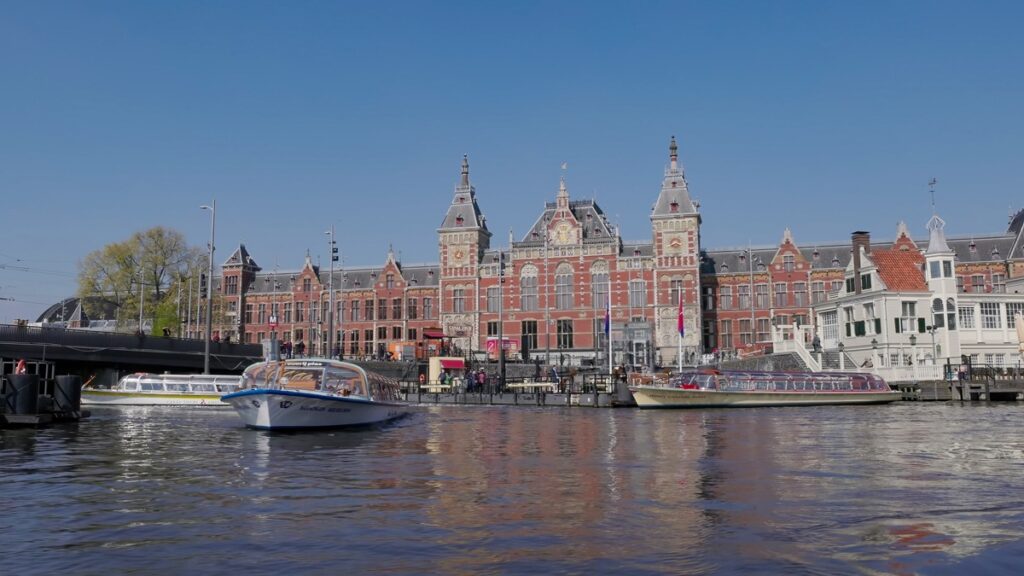
Amsterdam is considering major tourism changes, including higher visitor taxes and restrictions on cruise arrivals. Credit : crbellette, Shutterstock
Amsterdam has spent decades attracting visitors from around the world.
The canals, museums, cafés and lively city centre have helped turn the Dutch capital into one of Europe’s most popular city break destinations. But if local politicians get their way, visiting Amsterdam could soon become noticeably more expensive and look quite different from the version many travellers know today.
Under proposals unveiled by the city’s new coalition government, Amsterdam could gradually increase its tourist tax to 20 per cent, close its cruise terminal, reduce tourism promotion and even buy up buildings in parts of the city centre as part of a broader effort to tackle the impact of mass tourism.
The plans are still subject to political approval, but they reveal just how seriously city leaders are now looking at the challenges created by millions of visitors every year.
For travellers considering a future trip to Amsterdam, the city still welcomes visitors, but it is increasingly asking whether tourism should come with a higher price tag.
Why Amsterdam believes tourists should contribute more
Ask most visitors what they think of Amsterdam and they will probably mention the canals, cycling culture or famous museums.
Ask many residents and you may hear a different conversation.
Overcrowded streets, packed public transport, noise complaints and pressure on local services have become increasingly common concerns in some neighbourhoods, particularly during peak tourism periods.
According to the coalition agreement published this week, city leaders believe visitors should contribute more towards the costs created by tourism.
Amsterdam already has one of Europe’s highest tourist taxes.
At present, visitors staying overnight pay a tax equivalent to 12 per cent of their accommodation bill. Day visitors arriving on cruise ships are also subject to local charges.
The new proposal would increase that rate to 16 per cent next year before gradually raising it by one percentage point annually until it reaches 20 per cent in 2030.
For travellers booking hotels, apartments or short stays, that could mean noticeably higher accommodation costs over the coming years.
The city says the additional revenue would help fund cleaning, maintenance, enforcement and investments aimed at improving daily life for residents while keeping the city attractive for visitors.
The changes go far beyond tourist taxes
What makes Amsterdam’s new plans particularly striking is that the proposed tax increase is only one piece of a much larger puzzle.
The coalition agreement also outlines a proposal to close the city’s cruise terminal.
Officials say they want to end the possibility of arriving in Amsterdam by sea cruise, although discussions with national and regional authorities would still be required before any final decision could be implemented.
If approved, the move would affect thousands of cruise passengers who currently include Amsterdam as part of their itineraries.
The city is also considering ways to reshape parts of its historic centre.
According to the agreement, authorities want to systematically purchase buildings and buy out businesses occupying them in order to transform some areas that have become heavily dependent on tourism.
Exactly how this process would work remains unclear, but it reflects growing concern about the balance between tourism and residential life.
Even Amsterdam’s famous canals could become more expensive for visitors.
The coalition is exploring higher levies on canal cruises, boat tours and rental vessels in an effort to secure a larger financial contribution from day visitors who use city infrastructure without staying overnight.
For tourists, the practical effect could be simple. A visit to Amsterdam may become more expensive from several different directions at once.
A city trying to rethink its relationship with tourism
Some of the most interesting proposals are not about taxes at all. The coalition also wants to reduce Amsterdam’s efforts to market itself to tourists.
Its agreement proposes discontinuing certain city promotion initiatives and reducing financial support for Amsterdam&Partners, the organisation behind the internationally recognised ‘I amsterdam’ brand.
That represents a notable shift for a city that spent years promoting itself as one of Europe’s must visit destinations.
The agreement also abandons plans for a large Erotic Centre that had previously been proposed in the Zuid district.
The project had been intended to create a safer environment for sex workers while reducing pressure on the Red Light District.
Instead, the coalition says it wants to focus on smaller initiatives aimed at easing congestion in the city centre, although details remain limited.
Taken together, the proposals suggest Amsterdam is entering a new phase. The city is not proposing to shut the door on tourism. Far from it.
Tourism remains a major source of jobs and economic activity.
What city leaders appear to be questioning is whether the current model has become too concentrated in certain areas and too demanding on the people who live there year round.
The proposals will be discussed on 10 June and still require approval before becoming policy.
Even so, they offer a glimpse of a broader debate taking place across Europe as popular destinations search for ways to manage growing visitor numbers without losing the qualities that made them attractive in the first place.
For now, travellers can still enjoy Amsterdam exactly as they always have. Whether that remains true by the end of the decade is another question entirely.
Follow Euro Weekly News on Google News
Get breaking news from Spain, travel updates, and expat stories directly on your Google News feed.
Follow on Google NewsSign up for personalised news
Subscribe to our Euro Weekly News alerts to get the latest stories into your inbox!
By signing up, you will create a Euro Weekly News account if you don't already have one. Review our Privacy Policy for more information about our privacy practices.




Farah Mokrani
Farah is a journalist and content writer with over a decade of experience in both digital and print media. Originally from Tunisia and now based in Spain, she has covered current affairs, investigative reports, and long-form features for a range of international publications. At Euro Weekly News, Farah brings a global perspective to her reporting, contributing news and analysis informed by her editorial background and passion for clear, accurate storytelling.
Comments