Holy Cannoli: How two gelato in Rome came to a €44 receipt
By Molly Grace • Published: 08 Jun 2026 • 0:41 • 3 minutes read
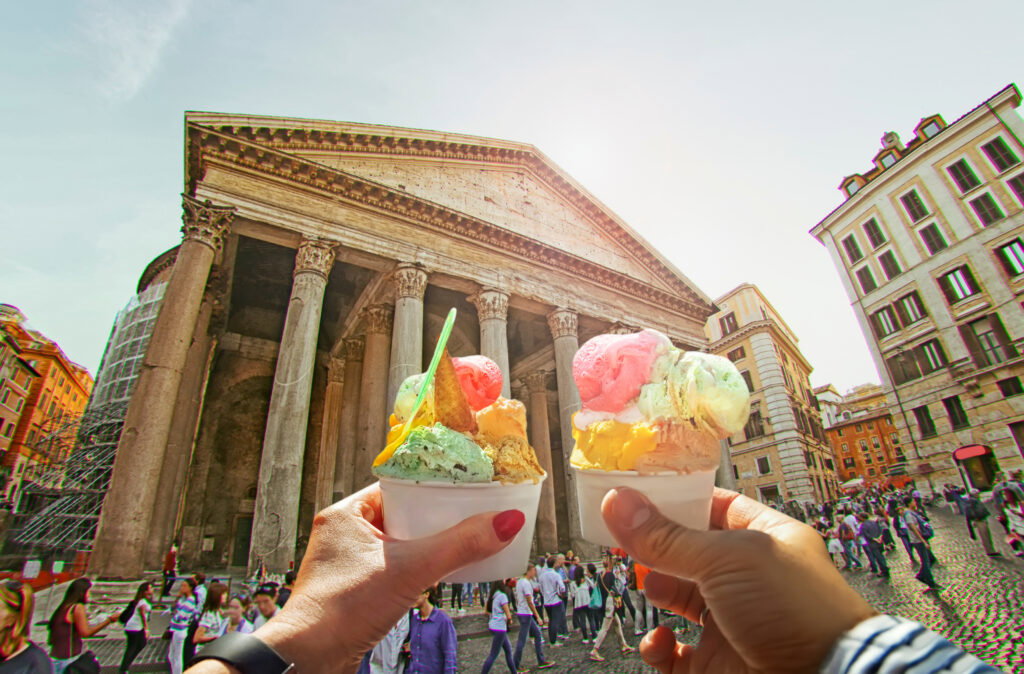
The receipt suggests that the original ice cream orders were upgraded in size. Photo credit: natalia_maroz/Shutterstock
Imagine a simple ice cream stop on a sunny day in central Rome, standing near Piazza Navona and soaking up the sun, adding a few extras to your ice creams because how much more could that possibly cost, only to then be asked to pay €44. This is apparently what happened a couple of American tourists, who in shock, shared the receipt online. What appeared to be a regular ice-cream purchase quickly became a talking point, with many questioning how a basic dessert order escalated to such a high total.
According to the receipt, the couple ordered two gelato servings at a café in one of Rome’s most heavily visited tourist zones. While the base price for ice cream in central locations is typically higher than in residential areas, the final bill rose significantly once additional items were included during service.
Gave the hand and took the arm
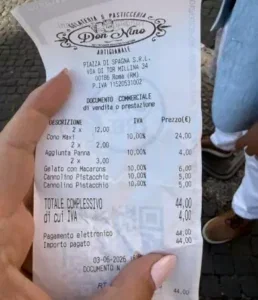
The breakdown shows that both gelato servings were upgraded to larger “maxi” portions, increasing the initial cost. These larger sizes carry a premium price compared with standard scoops, particularly in central tourist districts.
Further additions were also included. The receipt lists whipped cream (an expensive type, clearly), alongside cannolis and macarons. These items were provided as accompaniments but were charged separately.
The tourist later stated that the final total came as a surprise, as the extras were not clearly understood to be individually priced at the time they were offered. By the time all items were combined, the bill had reached €44.
Taking advantage of tourists
The café is located in one of Rome’s busiest historic areas, where heavy tourist traffic is constant throughout the day. In zones such as Piazza Navona, pricing is often higher than in other parts of the city, reflecting location, demand and operating costs.
In these areas, businesses frequently offer multiple pricing tiers for the same product, including standard and enlarged portions, as well as optional extras. While common in tourist-facing hospitality settings, the structure can be unclear to visitors unfamiliar with local pricing practices, however, many tourists complain about feeling ”scammed”. One women on X went so far as to say, ”Ive been all around Italy and i’ve only ever encountered this problem and these prices in Rome”
As a result, small additions can significantly increase the total cost of an order, particularly when several extras are added at once.
Shock online
After the receipt was shared online, it quickly circulated across social media, prompting strong reactions. Some users argued that the price was unsurprising given the location and portion sizes, while others described it as excessive for two ice creams.
The discussion has fed into a whirl of complaints from tourists in major European cities, where high prices in central districts are often contrasted with expectations based on standard café pricing elsewhere.
The image of two simple gelato orders turning into a €44 bill has proved particularly striking, contributing to the story’s viral spread.
Pricing expectations versus reality
Rome’s historic centre is one of the most expensive areas in the city for food and drink. High rental costs and constant tourist demand often result in elevated menu prices compared with neighbourhood venues outside the city centre.
Gelato shops and cafés in these areas commonly use tiered pricing systems, with variations based on cup size, serving style and optional extras. However, visitors are not always familiar with how quickly these additions can accumulate, especially when items are offered informally during service.
This gap between expectation and final cost is often at the heart of disputes in tourist-heavy locations, even when prices are technically displayed.
A small order that emptied the pocket
What began as an ordinary purchase has turned into a conversation about transparency and pricing in some of Europe’s most visited cities.
For some, the €44 bill reflects the realities of dining in a prime tourist location, where premium pricing is standard. For others, it highlights how easily small additions can turn a simple order into a significantly higher expense without clear upfront communication.
As the receipt continues to circulate, the incident has become less about ice cream itself and more about how pricing is experienced by visitors in high-demand tourist districts, where expectation and reality do not always align, and probably shop owners purposely avoiding telling tourists the price of things to get a quick extra!
Follow Euro Weekly News on Google News
Get breaking news from Spain, travel updates, and expat stories directly on your Google News feed.
Follow on Google NewsSign up for personalised news
Subscribe to our Euro Weekly News alerts to get the latest stories into your inbox!
By signing up, you will create a Euro Weekly News account if you don't already have one. Review our Privacy Policy for more information about our privacy practices.



Molly Grace
Molly is a British journalist and author who has lived in Spain for over 25 years. With a background in animal welfare, equestrian science, and veterinary nursing, she brings curiosity, humour, and a sharp investigative eye to her work. At Euro Weekly News, Molly explores the intersections of nature, culture, and community - drawing on her deep local knowledge and passion for stories that reflect life in Spain from the ground up.
Comments