Google is about to release 32 million mosquitoes into the environment; heres why
By Molly Grace • Published: 07 Jun 2026 • 23:33 • 4 minutes read
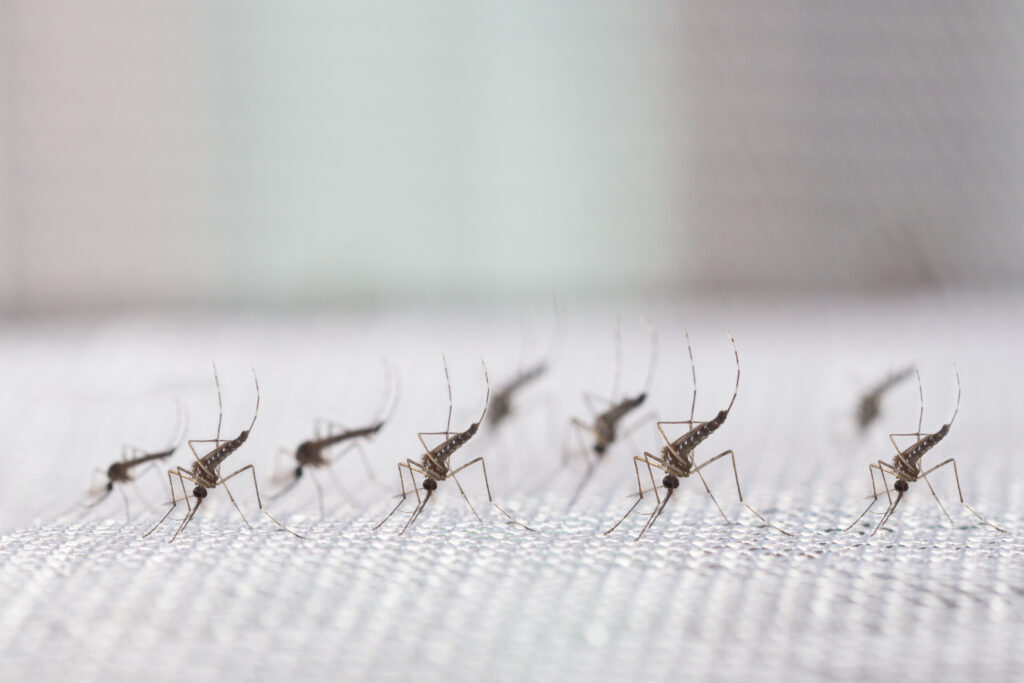
Aedes aegypti is known for transmitting dengue fever, Zika virus, chikungunya and yellow fever. Photo credit: frank60/Shutterstock
In a proposal that initially sounds more like science fiction than public health policy, Google’s parent company Alphabet is seeking regulatory approval to release up to 32 million specially treated mosquitoes across parts of the United States in a large-scale experiment designed to reduce the spread of deadly mosquito-borne diseases. The plan, currently under review by the U.S. Environmental Protection Agency (EPA), could see millions of laboratory-reared insects deployed in California and Florida over the next two years as part of the company’s “Debug” initiative.
The project itself does not involve increasing the number of biting insects. Instead, it relies on releasing male mosquitoes that do not bite humans (yes, only the females do that)! and cannot directly transmit disease. These males carry a naturally occurring bacterium known as Wolbachia, which interferes with reproduction when they mate with wild female mosquitoes. The result is that the eggs produced do not hatch, gradually reducing mosquito populations over time.
A biological strategy rather than chemical control
The Debug programme is part of a growing shift away from chemical insecticides towards biological methods of population control. The approach being tested falls under a variation of the Sterile Insect Technique or SIT, a method used globally in agricultural and public health contexts for decades. In this case, instead of radiation-induced sterility, the mosquitoes are rendered reproductively incompatible through Wolbachia infection, a bacterium already found in many insect species.
According to EPA filings and reporting from multiple outlets, the proposal covers up to 32 million mosquitoes in California and 32 million in Florida, released over a two-year period. This equates to roughly 16 million per state per year if approved in full.
The target species includes mosquitoes such as Aedes aegypti, which is known for transmitting dengue fever, Zika virus, chikungunya and yellow fever. In the United States, other species such as Culex mosquitoes are also significant vectors for West Nile virus and St Louis encephalitis, both of which have seen periodic outbreaks.
Why mosquitoes are the focus
Mosquitoes are widely regarded as the most deadliest animals on Earth due to their role in transmitting infectious diseases to humans. Globally, mosquito-borne illnesses contribute to hundreds of thousands of deaths annually, including malaria, dengue and West Nile virus. The rationale behind the Debug project is to reduce the population of disease-carrying species without broad ecological disruption.
A key feature of the approach is that only male mosquitoes are released. Male mosquitoes do not bite or feed on blood; only females require blood meals to reproduce. This means the programme is designed not to increase biting incidents for local populations, a concern often raised when insect-based interventions are discussed.
Regulatory review and scale of deployment
The proposal is currently being evaluated by the U.S. Environmental Protection Agency, which is responsible for assessing environmental risk and efficacy before granting an experimental use permit. A public consultation period closed in early June 2026, after which regulators are expected to decide whether to approve, reject or modify the application.
If approved, the programme would represent one of the largest mosquito suppression trials in the United States using biological methods. It would also expand on earlier smaller-scale trials conducted in other regions, including pilot projects associated with Alphabet’s life sciences division, Verily.
Previous trials and reported results
The underlying technique is not new. Similar Wolbachia-based mosquito control programmes have been deployed in countries such as Singapore and parts of the United States with notable success. In some trials, reductions of 70 to 90 per cent in targeted mosquito populations have been reported, alongside corresponding decreases in disease transmission in affected areas.
One widely cited example includes suppression efforts targeting Aedes aegypti populations, where repeated releases of infected males led to significant declines in mosquito density over successive generations. However, experts note that results vary depending on geography, climate, and mosquito species composition.
Scientific support and concerns
Entomologists and public health experts have generally described Wolbachia-based suppression as a promising alternative to chemical pesticides, which can lose effectiveness over time due to resistance. The method is considered species-specific, meaning it targets only selected mosquito populations without broadly affecting other insects.
However, the scale proposed by Google has prompted discussion about ecological monitoring, technical reliability, and the risk of accidental release of females, which could undermine the effectiveness of the programme. Regulatory bodies are expected to impose strict conditions if approval is granted, particularly around quality control and environmental safeguards.
Technology behind the programme
A notable feature of the Debug initiative is its use of automation and artificial intelligence in mosquito production. Reports indicate that AI systems are used to identify and separate male from female mosquitoes at scale, ensuring only non-biting males are released. Robotics and controlled breeding systems are also used to maintain consistency in mosquito rearing facilities, think of it like Jurassic park but on a much small scale and less teeth involved.
This technological layer distinguishes the project from earlier public health programmes, combining biological control with advanced data systems for monitoring and deployment planning.
A cautious step into large-scale biological engineering
While the idea of releasing tens of millions of mosquitoes may appear counterintuitive, the objective is the gradual suppression of populations responsible for transmitting some of the world’s most serious infectious diseases. Public health authorities emphasise that the approach does not eliminate all mosquitoes, but instead aims to reduce specific high-risk species.
The final decision now rests with U.S. regulators. If approved, the project would mark one of the most ambitious attempts yet to use engineered biological systems at scale for disease prevention, potentially reshaping how vector control is approached in the future.
Follow Euro Weekly News on Google News
Get breaking news from Spain, travel updates, and expat stories directly on your Google News feed.
Follow on Google NewsSign up for personalised news
Subscribe to our Euro Weekly News alerts to get the latest stories into your inbox!
By signing up, you will create a Euro Weekly News account if you don't already have one. Review our Privacy Policy for more information about our privacy practices.





Molly Grace
Molly is a British journalist and author who has lived in Spain for over 25 years. With a background in animal welfare, equestrian science, and veterinary nursing, she brings curiosity, humour, and a sharp investigative eye to her work. At Euro Weekly News, Molly explores the intersections of nature, culture, and community - drawing on her deep local knowledge and passion for stories that reflect life in Spain from the ground up.
Comments