The people moving to Spain’s tiny villages say the same thing once the honeymoon period ends
By Tara Russell • Updated: 15 Jun 2026 • 12:32 • 4 minutes read
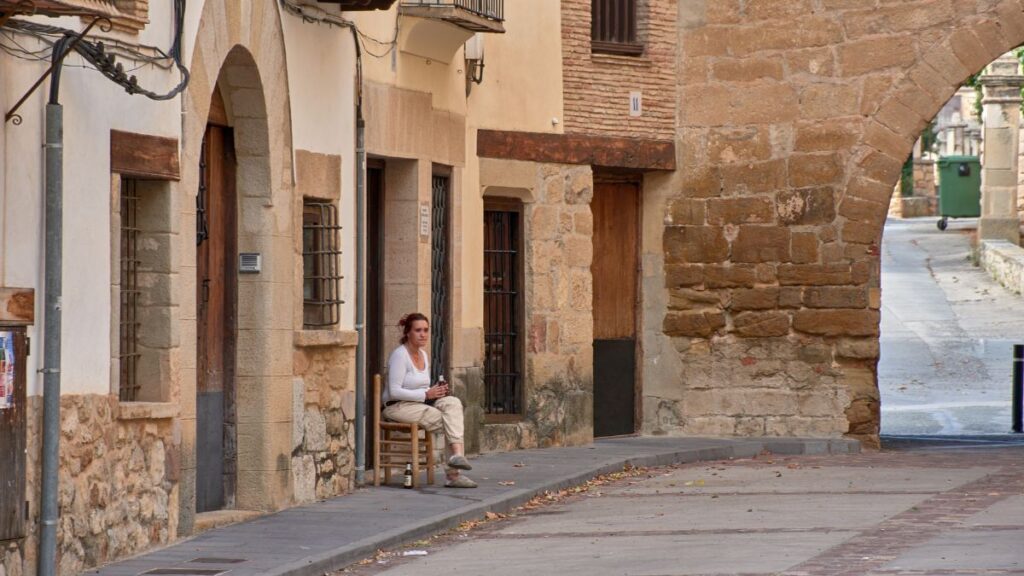
While social media highlights the dream of escaping to rural Spain, the quiet reality of daily village life involves smaller communities, older infrastructure, and a much slower pace. Credit: Uvamen / Shutterstock
A British couple recently turned up in one small village in inland Spain and rented a three bedroom flat for less than what some people now pay for a parking space back home.
That sort of story is exactly why rural Spain keeps taking over social media. Videos about abandoned villages, cheap houses and quiet lives in the countryside seem to appear every day now, usually with somebody standing in front of a stone house explaining how they escaped city life.
Spain has been trying to tackle rural depopulation for years, with some villages even offering incentives to attract newcomers.”
But when people already living in these places started talking honestly online about what life is actually like, the conversation became much more interesting than the usual “move to Spain” fantasy.
“We need people here”
The conversation began on Reddit after somebody asked whether anyone had actually moved to one of Spain’s so called ‘dying villages’ after seeing the trend explode on Instagram and TikTok.
One woman living in a village in Extremadura described a place where children still spend all evening outside on bikes, neighbours leave doors unlocked and people share vegetables, olive oil and whatever else they have grown that year.
Some inland areas of Spain have spent years trying to stop villages disappearing altogether.
At the same time, she admitted the village has been shrinking for decades.
There are more than 100 empty homes sitting unused, younger people keep leaving for bigger cities and several shops have already disappeared. Ten years ago the village had over 2,000 residents. Now it is closer to 1,200.
Still, she said she would not swap the lifestyle. Rent for a three bedroom flat in the area is around €300 a month and some rundown houses with land sell for prices that sound almost impossible compared to Britain, Ireland or northern Europe.
The problem is work – that was the part nearly everybody agreed on.
Most people making it work already have money coming in
The people who sounded happiest living in rural Spain were usually remote workers, retirees or families who already had wages, savings or pensions sorted before arriving.
One Spanish man who moved back from abroad with his family said they now live in a house three times larger than their old city apartment while paying far less each month.
Others said a few extra families arriving with outside money can make a genuine difference in villages that are slowly emptying. The local bar stays open, tradespeople get work, and schools survive a bit longer.
However, several people warned that anyone arriving expecting lots of local job opportunities is probably going to struggle.
The thing everybody asked about was fibre internet
Not beaches, Not weather, Internet again and again, the conversation drifted back towards broadband speeds, mobile coverage and video calls freezing halfway through the working day.
One woman living in rural Galicia said she eventually gave up waiting for proper fibre installation and switched to Starlink instead after months arguing with providers. Another said internet in many villages is actually much better than outsiders expect now, especially in northern Spain.
Still, it was obvious that for remote workers the dream only works if the connection does too. Beautiful mountain views are less impressive when your work meeting crashes three times before lunch.
Some people love the peace, others find it lonely
One of the more honest parts of the discussion came from people admitting that village life can feel very different in winter compared to summer.
The photographs online usually show sunny terraces, fiestas and long outdoor lunches. What they do not show are freezing old stone houses in January, hour long drives to sort paperwork or the reality of living somewhere where everybody notices immediately that you are new.
Several foreigners said learning Spanish properly made a huge difference to whether they felt welcomed or isolated. Others admitted they loved visiting rural Spain but could not imagine living there full time.
One woman whose husband comes from a tiny village in Soria described places where there are barely any residents left apart from elderly neighbours and abandoned homes. “There’s a reason people left,” she wrote bluntly.
The people already there are tired of the fantasy version
A few residents sounded frustrated by the way rural Spain is increasingly sold online like some kind of hidden paradise waiting for foreigners to arrive. Behind the cheap houses and pretty photographs are places struggling with ageing populations, closed businesses and younger generations moving away year after year.
One person described watching shops disappear one by one while homes slowly fell apart from neglect. Another said outsiders often arrive imagining a peaceful film version of Spain without understanding how hard life can feel once the novelty wears off.
At the same time, many villagers openly admitted they do need newcomers if these places are going to survive long term. That contradiction ran through almost every comment.
Why the idea still appeals to so many people
Even after all the warnings, plenty of people reading the discussion still said they would move tomorrow if they had the chance. And honestly, it is not difficult to understand why.
A quieter life, cheaper housing, less stress and children growing up outdoors instead of glued to screens sounds increasingly attractive to people exhausted by crowded cities and rising costs.
Nobody in the discussion pretended village life was perfect. But plenty of people clearly feel modern city life is not working particularly well either.
Follow Euro Weekly News on Google News
Get breaking news from Spain, travel updates, and expat stories directly on your Google News feed.
Follow on Google NewsSign up for personalised news
Subscribe to our Euro Weekly News alerts to get the latest stories into your inbox!
By signing up, you will create a Euro Weekly News account if you don't already have one. Review our Privacy Policy for more information about our privacy practices.



Tara Russell
Tara is a writer and editorial team member at Euro Weekly News, specialising in news reporting and feature writing. Born and raised in Spain, she holds a B.A. in Applied Languages and Translation Studies. With a strong background in linguistics, communication, and cross-cultural storytelling, Tara previously worked as a language teacher before transitioning to journalism and media.
Comments