Dementia and Alzheimer’s disease: Understanding the conditions that affect millions
By Dr Marcus Stephan • Published: 24 Jun 2026 • 9:00 • 5 minutes read
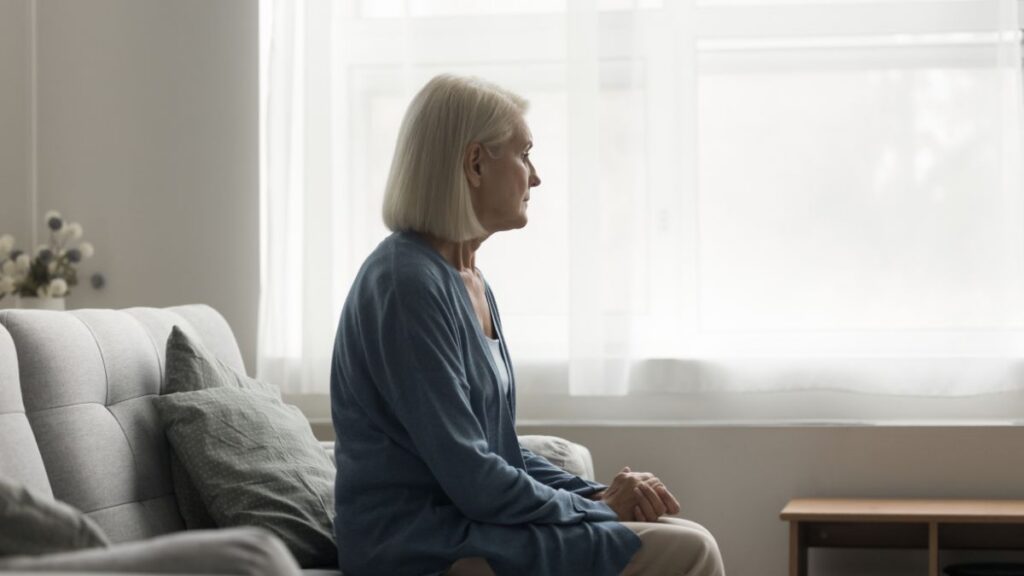
Confusion and memory problems can often leave individuals living with dementia feeling isolated or detached from their daily surroundings. Credit: fizkes / Shutterstock
Dementia and Alzheimer’s disease are two of the most prevalent cognitive health conditions affecting millions of individuals and families globally. While news of high-profile cases – like veteran broadcaster Jon Snow’s recent diagnosis – frequently brings these neurodegenerative disorders into the public eye, widespread confusion remains regarding how they differ. Understanding the distinction between dementia as an umbrella term and Alzheimer’s as a specific, progressive brain disease is crucial for identifying early warning signs of memory loss and seeking timely medical guidance.
Most of us have forgotten where we left our keys at some point. But what happens when memory problems become frequent enough to affect daily life, relationships, and independence? For millions worldwide, this is the reality of living with dementia and Alzheimer’s disease.
As I write this, news has emerged that veteran broadcaster Jon Snow has been diagnosed with Alzheimer’s, highlighting just how widespread these conditions have become.
Although the terms Alzheimer’s and dementia are often used interchangeably, they are not the same thing.
Dementia: An umbrella term
Dementia is not a specific disease but a general term describing symptoms that affect memory, thinking, communication, and the ability to carry out everyday activities.
Common symptoms include:
- Difficulty remembering recent events
- Problems finding words
- Confusion about time or place
- Difficulty with decision-making and problem-solving
- Changes in mood, personality, or behaviour
Symptoms vary depending on the cause and stage of the condition.
Alzheimer’s disease: The most common cause
Alzheimer’s disease is the most common form of dementia. It is a progressive brain disorder that gradually damages brain cells, affecting memory, thinking, and behaviour.
Scientists believe the disease is linked to abnormal protein deposits in the brain that interfere with communication between nerve cells. As brain cells become damaged and die, cognitive abilities decline.
More than memory loss
While memory problems are often the most recognised symptom, dementia affects much more than memory. Communication, emotions, behaviour, and physical abilities can also be impacted.
People may become withdrawn, anxious, or experience personality changes. Understanding that these behaviours result from changes in the brain – not personal choice – can help families respond with greater patience and compassion.
Who is at risk?
Age remains the greatest risk factor, with most cases occurring after age 65. However, dementia is not a normal part of ageing.
There is currently no guaranteed way to prevent Alzheimer’s disease, but research suggests that maintaining a healthy lifestyle may help reduce the risk.
Living well with dementia
Although a diagnosis can feel overwhelming, many people continue to live meaningful and fulfilling lives for years after diagnosis. Early detection allows individuals and families to access treatments, plan for the future, and connect with support services.
David Donaldson, founder and clinical advisor to the Mijas Costa Alzheimer’s Dementia Support Group, explains:
“For many expatriates and Spanish residents alike, obtaining a diagnosis can seem daunting, but help is available. The first step is usually to consult a family doctor through either the public health system or a private practitioner. If concerns about memory or cognition are identified, patients may be referred to a neurologist.”
The diagnostic process may include medical history reviews, cognitive testing, blood tests, and brain imaging.
“Early diagnosis allows individuals and families to access treatment options, understand available support services, and make informed decisions while the person with dementia can still participate fully in those discussions,” Donaldson says.
Today, medications and therapies can help manage symptoms, while support programmes provide valuable assistance for carers and families.
Looking ahead
Research into dementia and Alzheimer’s disease has accelerated significantly in recent years. Scientists are exploring new treatments, earlier diagnostic tools, and innovative approaches that may one day slow or prevent disease progression.
Dementia affects not only those diagnosed but also spouses, children, friends, carers, and entire communities. Increasing awareness, encouraging early diagnosis, and supporting research can help create a more understanding and compassionate society.
More than caregivers: Finding strength in a support group
Recently, I attended a meeting of the Alzheimer’s and Dementia Support Group Mijas Costa at the Tamisa Hotel in Las Lagunas, Fuengirola.
Expecting an atmosphere of sadness and exhaustion, I instead found a room filled with conversation, laughter, and mutual support.
Members shared stories, practical advice, and encouragement. There was honesty about the challenges of caring for someone with dementia, but also optimism and a celebration of small victories – a good day, a shared memory, a fleeting moment of connection.
Pat Jay, President of the Alzheimer’s and Dementia Support Group Mijas Costa, believes the group’s strength comes from shared understanding.
“No one chooses this journey, but nobody should have to walk it alone. Our group provides a safe place where carers can talk openly, share experiences, and learn from others who truly understand what they are going through. We laugh together, we cry together, and most importantly, we support one another.”

The laughter was particularly striking. It wasn’t a denial of the difficulties but a way of coping with them. Members understood that finding joy in small moments can make even the hardest days more manageable.
The meetings are about far more than discussing dementia. They provide a space where carers themselves are supported, heard, and valued.
One member, Jean, first attended an open day nine years ago while caring for her husband. Although he has since passed away, she still attends regularly.
“It’s part of my life now,” she says. Jean now supports others facing similar challenges and helps with fundraising for the registered voluntary organisation.
David Donaldson emphasises the importance of understanding behavioural changes associated with dementia:
“What may appear as stubbornness, aggression, withdrawal, anxiety, or repetitive behaviour is often the result of neurological changes caused by the disease. Recognising these changes as part of the illness can reduce frustration for carers and help them respond with greater patience and compassion.”
The experience was a powerful reminder that while dementia may affect memory, it cannot erase humanity, kindness, or the bonds formed between people supporting one another.
For anyone caring for a loved one with dementia, joining a support group may be one of the most valuable steps they can take – not only for advice and resources, but for the reassurance that they are not alone on the journey. Sometimes, even in the most difficult circumstances, there is still room for laughter.
With sincere thanks to everyone involved with the Alzheimer’s Dementia Support Group Mijas Costa for sharing their experiences and allowing me an invaluable insight to the work of the support group and the impact it has on all those affected by dementia,
You can contact the group on 610 774 408, or email info@adsgmijascostaspain.com You can also make a donation to support their important work.
The information provided in this column is for educational and informational purposes only, and does not constitute medical advice. It is not a substitute for a professional medical consultation, diagnosis, or treatment. Always seek the advice of your own physician or other qualified health provider with any questions you may have regarding a medical condition.
Dr Marcus Stephan
Follow Euro Weekly News on Google News
Get breaking news from Spain, travel updates, and expat stories directly on your Google News feed.
Follow on Google NewsSign up for personalised news
Subscribe to our Euro Weekly News alerts to get the latest stories into your inbox!
By signing up, you will create a Euro Weekly News account if you don't already have one. Review our Privacy Policy for more information about our privacy practices.




Dr Marcus Stephan
With a career spanning more than 35 years in both the UK and internationally, Dr Marcus' passion lies in empowering individuals through knowledge, enabling them to care for themselves and others. He simplifies the science behind medicine by removing unnecessary jargon, explains common health conditions, and shares updates on the latest advances and developments in medicine.
Comments