Why visitors are now putting Spanish supermarkets on their holiday itinerary
By Farah Mokrani • Published: 24 Jun 2026 • 0:51 • 3 minutes read
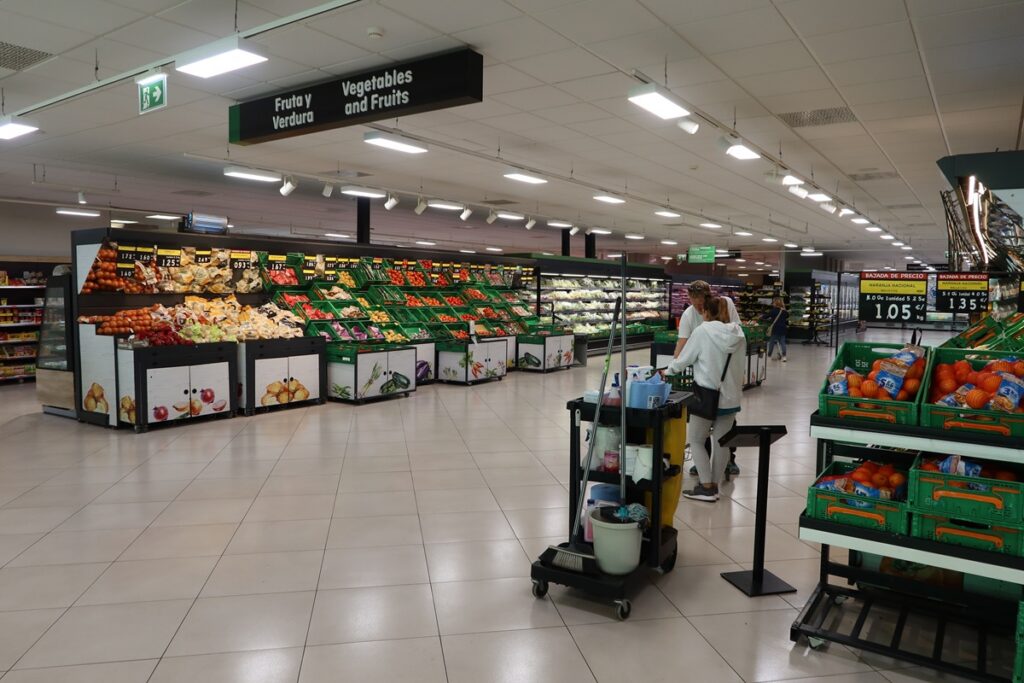
Spanish supermarkets are becoming an unexpected stop on many visitors’ holiday itineraries. Credit : Marco Gallo, Shutterstock
Spanish supermarkets are becoming an unlikely stop on holiday itineraries, as visitors swap another overpriced tourist trap for a look at what locals actually buy. From Mercadona snacks and ready-made tortilla to cheap wines, gazpacho, olives and Spanish bakery treats, travellers are discovering that a quick supermarket run can say as much about daily life in Spain as a walk through a busy old town.
It sounds a bit silly at first.
You fly to Spain for the beaches, the food, the weather, the old streets, the late dinners, the sea views. You do not usually tell people you are excited about going to the supermarket.And yet plenty of visitors are doing exactly that.
A quick trip to Mercadona, Carrefour, Lidl or Alcampo has become part of the holiday routine for many travellers, especially those staying in apartments or villas. What used to be a practical stop for water, breakfast and sun cream has turned into something a little more interesting. People wander the aisles, take photos of snacks they have never seen before, compare prices, buy local products and then proudly show off their supermarket finds online.
In Spain, it makes perfect sense. The supermarket is where visitors see the country without the tourist filter.
Spanish supermarkets offer a cheap taste of local life
Part of the appeal is obvious: money.
Eating out in Spain can still be good value, but doing it three times a day is not cheap, especially in tourist areas. A supermarket gives travellers a way to enjoy local food without paying restaurant prices every time.
But this is not only about saving money.
Spanish supermarkets are full of small discoveries for visitors. Chilled gazpacho and salmorejo. Ready-made tortilla. Rows of jamón, fuet and chorizo. Tinned seafood that looks far more serious than anything back home. Big olive oil sections, cheap but drinkable wine, bakery counters, flan, natillas, croquetas, ensaladilla rusa and more flavours of crisps than anyone expected.
For someone on holiday, that can be surprisingly entertaining.
A British visitor might pop in for milk and leave with Hacendado biscuits, alioli, manchego, melon, a bottle of Rioja and an opinion about which Spanish supermarket has the best ready-made tortilla. That is the kind of ordinary experience that often sticks in the memory more than another crowded viewpoint.
It also feels real. Nobody is performing for tourists in the cereal aisle. People are buying dinner, choosing fruit, picking up cleaning products, queuing with children, arguing over what to cook. For visitors, that everyday scene can be more revealing than a carefully packaged “authentic” experience.
Holiday rentals have made supermarket trips more appealing
The rise of self-catering holidays has helped push the trend along.
Many visitors to Spain now stay in apartments, aparthotels or villas with kitchens. Once there is a fridge to fill, the supermarket stops being an errand and becomes part of the trip.
Breakfast comes from the bakery section. Lunch might be bread, cheese, tomatoes and cold meat on the balcony. Dinner can be supermarket tapas after a long beach day when nobody feels like booking a restaurant.
It is easy, cheap and often very Spanish.
For families, it is also practical. Children can pick familiar snacks, adults can try local products, and everyone avoids the stress of finding a restaurant every single night. For younger travellers, the attraction is different: a supermarket haul is perfect social media material. It is colourful, affordable and full of little surprises.
That is why videos of people browsing Spanish supermarkets keep doing well online. A Mercadona shop can be more relatable than a luxury hotel breakfast. Viewers can imagine buying the same crisps, the same dessert, the same €4 bottle of wine.
Why this travel habit is growing in Spain
The trend says something about how people are travelling now.
Visitors still want beaches, museums, tapas bars and pretty old towns. Of course they do. But many also want moments that feel less staged and less expensive. They want to see what daily life looks like, not only what has been polished for holidaymakers.
A supermarket gives them that in 20 minutes. It shows what people eat at home, what products are popular, what families buy after work and what snacks children beg for at the till. It also gives visitors something they can take back to their apartment, their hotel room or even their suitcase.
Spain is especially suited to this because so much of the food works well without much effort. Good bread, cheese, ham, olives, fruit, wine, tortilla, gazpacho and pastries can turn into a relaxed meal with almost no cooking.
So no, Spanish supermarkets are not replacing beaches, cathedrals or tapas tours. Nobody is booking a flight to Alicante just to walk around Mercadona. But more visitors are realising that the supermarket is not just a chore. It is part of the holiday now.
And once you have gone in for water and come out with three desserts, a bag of jamón crisps, two bottles of gazpacho and a new favourite Spanish biscuit, it is easy to understand why.
Follow Euro Weekly News on Google News
Get breaking news from Spain, travel updates, and expat stories directly on your Google News feed.
Follow on Google NewsSign up for personalised news
Subscribe to our Euro Weekly News alerts to get the latest stories into your inbox!
By signing up, you will create a Euro Weekly News account if you don't already have one. Review our Privacy Policy for more information about our privacy practices.



Farah Mokrani
Farah is a journalist and content writer with over a decade of experience in both digital and print media. Originally from Tunisia and now based in Spain, she has covered current affairs, investigative reports, and long-form features for a range of international publications. At Euro Weekly News, Farah brings a global perspective to her reporting, contributing news and analysis informed by her editorial background and passion for clear, accurate storytelling.
Comments