Portugal is making a big airport change that could reduce long travel delays
By Molly Grace • Updated: 04 Jul 2026 • 23:31 • 3 minutes read
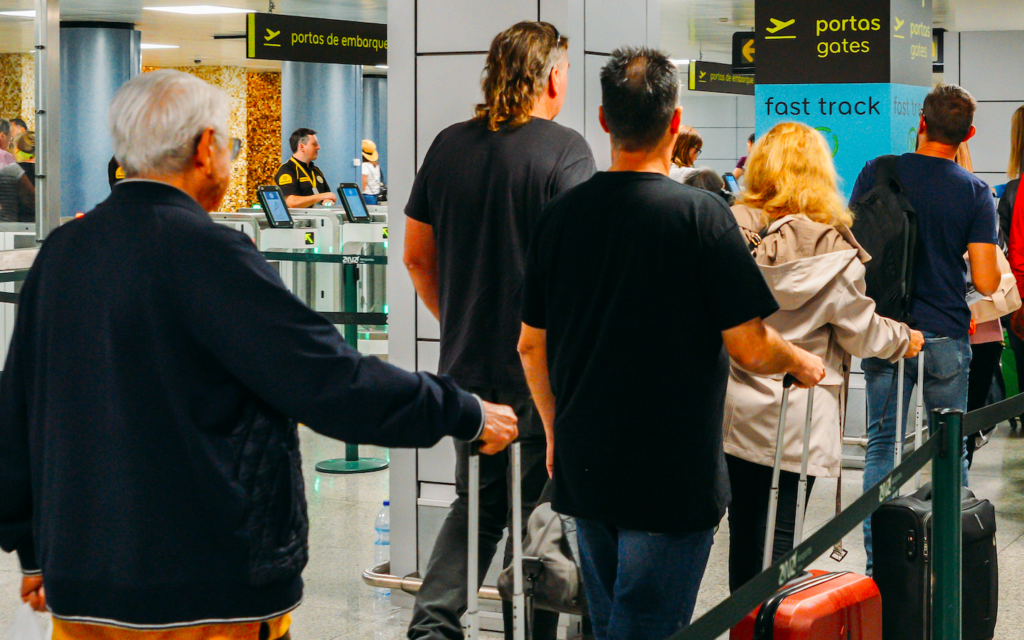
The most noticeable change should be shorter waiting times at arrivals. Photo credit: Alexandre Rotenberg/Shutterstock
If you have ever landed in Portugal during peak summer and found yourself stuck in a slow-moving passport queue, you will know how quickly a holiday mood can disappear before you even leave the airport. That experience could soon become less common.
Portugal is bringing in hundreds of additional border officers at its busiest airports in an effort to reduce waiting times at passport control during the summer travel rush. For holidaymakers arriving in Lisbon, Faro, Porto and other key destinations, it could mean a noticeably smoother start to their trip.
What is changing at Portugal airports?
Around 367 extra border officers are being deployed as of Monday, June 5, across Portugal’s main airports, with the aim of speeding up passenger processing during peak arrival periods. The extra staff will be focused on the country’s busiest entry points, including Lisbon, Porto and Faro, where queues have often built up when multiple international flights land within short periods.
Smaller but heavily used airports such as Madeira and the Azores are also expected to benefit. The goal is straightforward. Reduce congestion at passport control and move passengers through arrivals more efficiently at the height of the summer season.
Why airport queues have become a problem
Portugal remains one of Europe’s most popular short-haul holiday destinations, with millions of visitors arriving every year, particularly from the UK, Ireland and other European countries. During peak months, airports often see a sharp concentration of arrivals within tight time windows. When several flights land close together, passport control areas can quickly become overcrowded.
This has led to long queues in arrivals halls, with passengers sometimes waiting extended periods before they can leave the airport. For families, late arrivals or those with onward transfers, these delays can be particularly frustrating. Airport authorities have faced increasing pressure to improve flow without compromising border security checks.
What the extra officers will actually do
The new border officers will be placed directly in passport control areas where queues tend to form. Their role is to help manage passenger flow, open additional processing capacity where needed and reduce bottlenecks during peak arrival times.
In other words, this should mean more desks operating during busy periods and quicker movement through immigration checks when several flights arrive at once. Passport checks will still take place as normal, but the added staffing is designed to prevent long backlogs forming.
What it means for holidaymakers
For travellers flying into Portugal this summer, the most noticeable change should be shorter waiting times at arrivals.Instead of long queues stretching through terminals, passengers are more likely to experience a steadier flow through border control, especially during peak afternoon and evening arrivals.
For families, elderly passengers or those arriving after late-night flights, even a small reduction in waiting time can make a significant difference to the overall travel experience. It could also reduce pressure on transfer connections, car hire pick-ups and onward travel plans, which are often affected when queues build up. However, officials are not suggesting that queues will disappear completely. Busy arrival periods are still expected during peak holiday weeks.
Why this matters for Spain-based travellers
For many readers in Spain, Portugal is a regular short-break destination, particularly for city breaks, coastal holidays and weekend travel.With frequent short flights between the two countries, even small improvements in airport processing times can have a noticeable impact on overall journey experience.
Faster passport control could make short trips more appealing, especially for travellers flying into Lisbon or Faro for quick getaways. It also comes at a time when travel demand across southern Europe remains strong, placing continued pressure on airports to handle high volumes efficiently.
Will it solve the issue completely?
While the extra staffing is expected to ease congestion, it is unlikely to eliminate queues entirely during the busiest summer periods. Airports across Europe continue to face fluctuating passenger numbers, peak-time surges and strict border processing requirements, all of which can create delays when flights arrive in clusters.
However, aviation experts often point out that increasing staff at passport control is one of the fastest ways to improve flow without major infrastructure changes. In that sense, the move is seen as a practical step to manage pressure during peak season rather than a long-term structural fix.
A smoother arrival experience?
For now, holidaymakers heading to Portugal this summer may notice the difference as soon as they step off the plane. If the extra officers succeed in easing the queues, arrivals could feel faster and less stressful, helping passengers move through the airport with fewer delays. While queues are unlikely to disappear entirely, the expectation is that travellers will spend less time waiting at passport control and more time starting their holiday.
Follow Euro Weekly News on Google News
Get breaking news from Spain, travel updates, and expat stories directly on your Google News feed.
Follow on Google NewsSign up for personalised news
Subscribe to our Euro Weekly News alerts to get the latest stories into your inbox!
By signing up, you will create a Euro Weekly News account if you don't already have one. Review our Privacy Policy for more information about our privacy practices.

Molly Grace
Molly is a British journalist and author who has lived in Spain for over 25 years. With a background in animal welfare, equestrian science, and veterinary nursing, she brings curiosity, humour, and a sharp investigative eye to her work. At Euro Weekly News, Molly explores the intersections of nature, culture, and community - drawing on her deep local knowledge and passion for stories that reflect life in Spain from the ground up.
Comments