A big change is coming to supermarket trolleys in Spain that could transform the way you shop
By Molly Grace • Published: 04 Jul 2026 • 23:01 • 4 minutes read
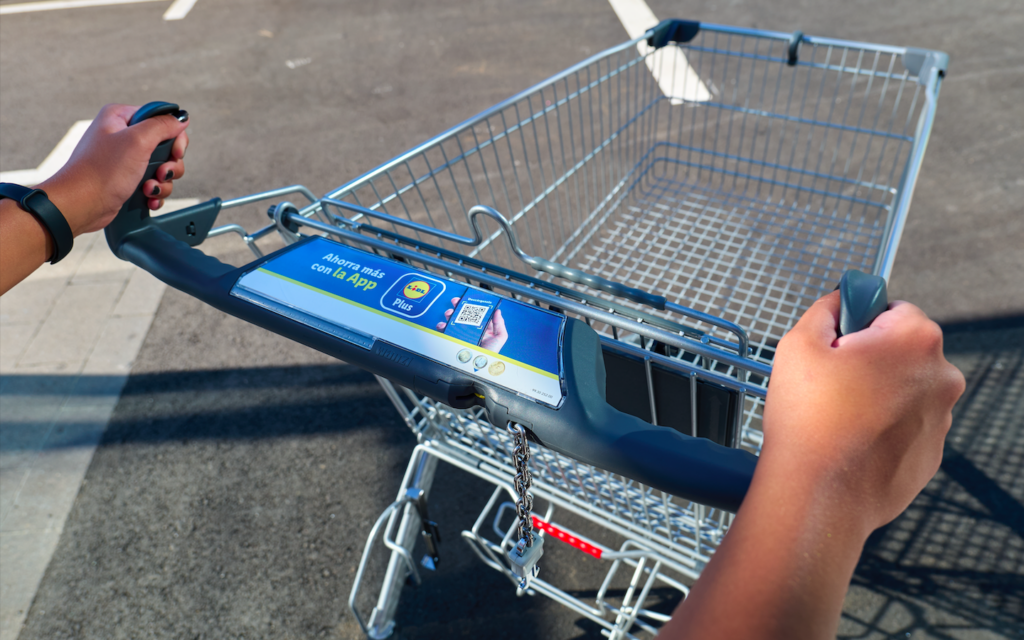
The technology is already being introduced in parts of Europe. Photo credit: NOVODIASTOCK/Shutterstock
The humble supermarket trolley could be about to get one of its biggest makeovers in decades. Forget rummaging for a €1 coin, unloading your groceries onto a conveyor belt or standing in long checkout queues. A new generation of AI-powered shopping trolleys is beginning to appear across Europe, and Spain could soon be next as supermarkets invest in technology designed to make shopping quicker, easier and almost checkout-free.
While you won’t see them in every supermarket tomorrow, the direction of travel is becoming increasingly clear. Retailers are looking for ways to speed up the weekly shop, reduce queues and improve convenience, and the traditional trolley is no longer just a place to throw your groceries.
Your supermarket trolley could become your personal checkout
For decades, supermarket trolleys have had one simple job: carrying groceries from one aisle to the next. The latest generation of smart trolleys is designed to do much more.
Equipped with cameras, sensors, built-in scales and touchscreen displays, these trolleys recognise products as they are placed inside. Instead of unloading everything onto a conveyor belt, shoppers can watch each item appear on the screen together with a running total of their bill.
Many systems also allow customers to pay directly through the trolley using a bank card or mobile payment. Once the shopping is complete, they can simply leave the store without joining a traditional checkout queue. For anyone who has ever spent longer waiting to pay than actually shopping, that’s a change that could make a noticeable difference.
Keeping an eye on your budget while you shop
One feature likely to appeal to many households is the ability to see exactly how much they’re spending as they shop. With food prices continuing to put pressure on family budgets, the trolley keeps a live total of every item added. Rather than getting an unpleasant surprise at the checkout, shoppers can decide to swap or remove products before they finish. Some smart trolleys can also weigh loose fruit and vegetables automatically, removing another step from the shopping process and making the experience even smoother.
No more hunting for a €1 coin
The technology could also solve one of the most common supermarket frustrations. Instead of needing a coin or token to unlock a trolley, some systems use a QR code or NFC through a mobile phone, allowing customers to start shopping almost instantly. It’s a small improvement, but one that reflects how supermarkets are trying to remove as many small inconveniences as possible from the weekly shop.
AI could do more than simply scan your groceries
The intelligence behind these trolleys doesn’t stop at recognising products. Depending on the system being used, some can recommend recipes based on what’s already in the trolley, highlight offers available elsewhere in the store or suggest products that complement previous purchases. The aim is to create a more personalised shopping experience while helping customers find deals and complete their shopping more efficiently.
When could shoppers see them in Spain?
That’s the question many shoppers will be asking. There is currently no official date for a nationwide rollout, and the technology is unlikely to appear in every supermarket at once. Instead, experts expect individual supermarket chains to introduce smart trolleys gradually, beginning with selected stores before deciding whether to expand them more widely.
The technology is already being introduced in parts of Europe, making it increasingly likely that Spanish supermarkets will follow as retailers look for ways to modernise stores and reduce waiting times. Exactly which supermarket chains will introduce the trolleys first, however, has yet to be confirmed.
Which supermarkets could introduce smart trolleys first?
While no major supermarket chain in Spain has announced a nationwide rollout, the technology is already attracting interest across the retail sector. As competition grows and retailers look for new ways to improve the shopping experience, smart trolleys are increasingly being seen as the next step after self-service checkouts and scan-as-you-shop devices.
Large supermarket groups are continually testing new technology to speed up shopping, reduce queues and improve efficiency. If AI-powered trolleys prove popular with customers in early trials elsewhere in Europe, it’s likely that Spanish stores will begin introducing them gradually rather than replacing every trolley overnight.
For shoppers, the change would probably happen one store at a time. Instead of walking into every supermarket and finding AI trolleys waiting at the entrance, the technology is expected to be rolled out in selected locations first, allowing retailers to see how customers respond before expanding it more widely.
Not everyone is convinced
As with many AI-powered technologies, smart trolleys are generating as many questions as they are excitement. Some consumer groups have raised concerns about privacy, particularly if shopping habits are linked to loyalty cards or mobile apps. Others have questioned whether increased automation could eventually reduce the need for traditional checkout staff.
Retailers, however, say the aim is to improve the shopping experience rather than replace employees, allowing staff to spend more time helping customers on the shop floor instead of processing payments.
The biggest change to supermarket shopping in years?
Whether smart trolleys become the new normal or remain limited to selected stores will depend on how shoppers respond and how quickly retailers invest in the technology.
What is clear is that supermarket shopping is changing. Over the past decade we’ve seen self-service checkouts, scan-as-you-shop devices and mobile payments become part of everyday life. AI-powered trolleys are simply the next step, combining all of those features into one device.
For now, shoppers in Spain won’t see every supermarket replacing its trolleys overnight. But if retailers continue moving in the direction they’re already heading, the next trolley you pick up could do much more than carry your groceries. It could scan your shopping, total your bill, help you stick to your budget and even replace the checkout altogether.
Follow Euro Weekly News on Google News
Get breaking news from Spain, travel updates, and expat stories directly on your Google News feed.
Follow on Google NewsSign up for personalised news
Subscribe to our Euro Weekly News alerts to get the latest stories into your inbox!
By signing up, you will create a Euro Weekly News account if you don't already have one. Review our Privacy Policy for more information about our privacy practices.




Molly Grace
Molly is a British journalist and author who has lived in Spain for over 25 years. With a background in animal welfare, equestrian science, and veterinary nursing, she brings curiosity, humour, and a sharp investigative eye to her work. At Euro Weekly News, Molly explores the intersections of nature, culture, and community - drawing on her deep local knowledge and passion for stories that reflect life in Spain from the ground up.
Comments