Could holidaymakers in Spain soon pay more than locals?
By Molly Grace • Updated: 04 Jul 2026 • 23:33 • 4 minutes read
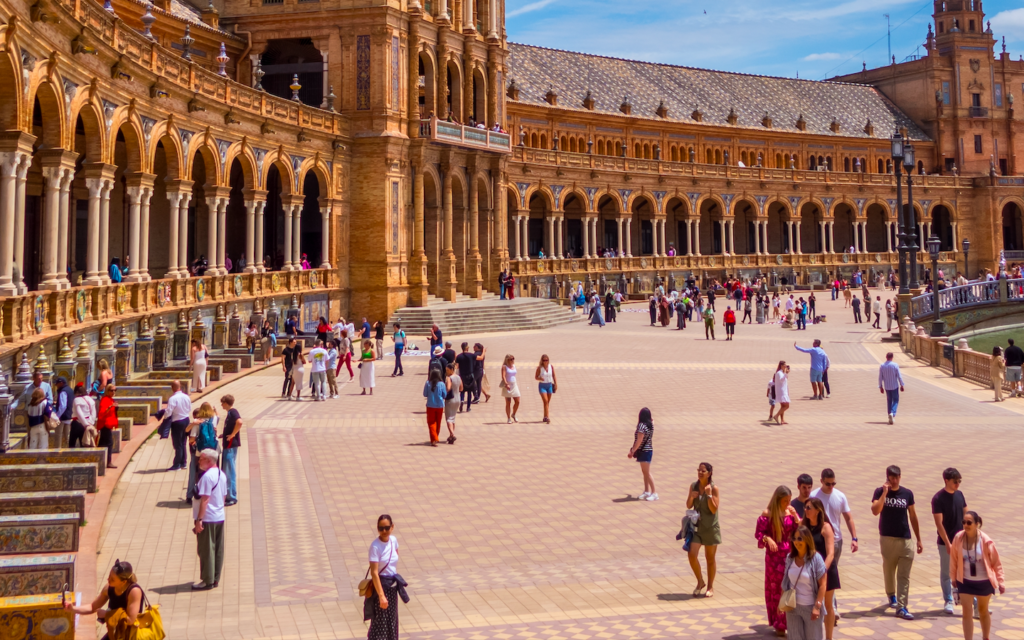
Some attractions offer discounted rates for residents. Photo Credit: Roaming Pictures/Shutterstock
Imagine arriving at a famous attraction on holiday only to discover the person standing next to you is paying half the price simply because they live there. It might sound unlikely, but this kind of pricing difference is already being tested in parts of the world as destinations try to deal with growing visitor numbers and pressure on busy hotspots.
In Japan, some attractions have begun exploring higher prices for tourists compared to residents, and it is triggering a debate that is now starting to spread far beyond Asia. Which leads to the question many people visiting Spain may not expect to ask: could something like this ever appear here?
A growing strain in popular destinations
Japan has seen a sharp rise in international visitors, with some of its most famous locations becoming busier than ever. Streets, transport links and historic sites have all come under pressure at peak times, with queues, congestion and overcrowding becoming part of the experience in certain areas. In response, some places have started looking at charging visitors differently depending on where they come from. The idea is simple. Locals pay less and visitors pay more.
Supporters of the approach say it helps ease pressure on places that are being stretched by record visitor numbers. The reasoning is that residents already contribute through local spending and everyday life, while visitors are only there temporarily. Others see it differently. For many travellers, the idea of paying more simply because of where they are from feels unfair, especially when the experience is meant to be the same for everyone.
Why Spain is being drawn into the same conversation
Spain faces many of the same pressures seen in other major tourism destinations. Some of its most popular cities and coastal areas regularly experience intense visitor numbers, especially during peak seasons. Narrow streets filled with crowds, busy beaches and packed public spaces have become familiar scenes in places that attract millions of visitors every year.
At the same time, tourism remains one of the strongest parts of the Spanish economy, supporting jobs and businesses across the country. That combination creates a constant balancing act between welcoming visitors and keeping everyday life manageable for those who live there. Because of that, any idea linked to changing how visitors are charged is likely to attract attention.
Could tourists and locals actually be charged differently
At the moment there is no system in Spain where tourists are routinely charged more than residents for the same attraction or service. However, small differences in pricing already exist in certain forms. Some attractions offer discounted rates for residents, especially at cultural sites or local facilities. In other cases, visitor taxes are added in specific regions, meaning holidaymakers pay a small extra cost during their stay.
This is not the same as charging tourists a higher entrance fee than locals at the same ticket office, but it does show that pricing based on visitor status is not completely unfamiliar. Elsewhere in Europe, similar ideas have appeared in different forms as destinations try to manage demand during peak travel periods.
How travellers would likely react
If a system like this ever appeared in Spain, reaction would almost certainly be divided. Some holidaymakers would probably accept small differences in price if they felt it helped maintain popular destinations and improve facilities. Many already expect to pay tourist taxes or entrance fees when visiting major cities or attractions.
Others would likely see it as unfair, especially if the difference was clearly based on where someone comes from rather than what they are buying or doing. There is also a practical concern for travellers. If prices vary depending on residency, it could make planning a trip more complicated and create uncertainty around costs.
Spain’s busiest destinations are already under pressure
Across Spain, several well known locations continue to deal with large numbers of visitors, particularly during the summer months. Popular coastal areas, city centres and island destinations often see intense seasonal demand, with local infrastructure and services working at full capacity.
In some places this has already led to restrictions on holiday rentals, limits on cruise ship arrivals or efforts to spread visitor numbers more evenly throughout the year. These measures show that managing tourism has already become a key issue in many areas, even without changing how individual visitors are charged at entry points.
A debate that is spreading across travel destinations
Spain is far from alone in facing these questions. Many countries that rely heavily on tourism are trying to find ways to balance economic benefits with the impact of large visitor numbers. Some destinations have introduced entry fees, timed tickets or seasonal pricing to manage crowds.
Others are focusing on encouraging travel outside peak periods or promoting less visited areas to reduce pressure on well known hotspots. The idea of charging visitors more than locals adds another layer to that discussion, and while it is still limited in practice, it is becoming part of a wider conversation about how tourism is managed in the future.
What travellers can expect for now
For people planning holidays in Spain, nothing is changing in practical terms. Visitors are not being charged differently from residents for attractions or everyday experiences, and there are no current plans suggesting that this is about to happen. But the conversation around tourism is clearly shifting. The focus is moving towards how destinations handle growing demand, how they protect busy areas, and how costs are shared between visitors and residents.
That means ideas that once seemed unlikely are now being discussed more openly than before. Whether Spain ever moves towards anything similar remains uncertain. But as travel patterns continue to change, the way people experience popular destinations and what they pay when they arrive may not stay the same forever.
Follow Euro Weekly News on Google News
Get breaking news from Spain, travel updates, and expat stories directly on your Google News feed.
Follow on Google NewsSign up for personalised news
Subscribe to our Euro Weekly News alerts to get the latest stories into your inbox!
By signing up, you will create a Euro Weekly News account if you don't already have one. Review our Privacy Policy for more information about our privacy practices.


Molly Grace
Molly is a British journalist and author who has lived in Spain for over 25 years. With a background in animal welfare, equestrian science, and veterinary nursing, she brings curiosity, humour, and a sharp investigative eye to her work. At Euro Weekly News, Molly explores the intersections of nature, culture, and community - drawing on her deep local knowledge and passion for stories that reflect life in Spain from the ground up.
Comments