Long queues feared at French border – here’s what’s changing this summer
By Molly Grace • Updated: 13 Jul 2026 • 0:27 • 3 minutes read
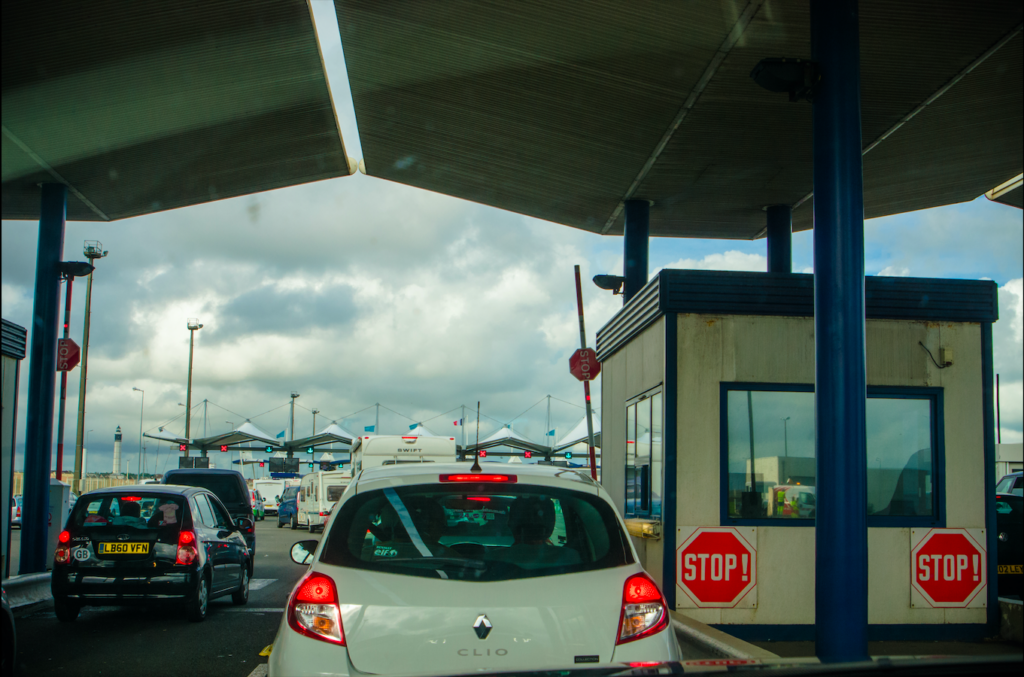
Increasing staffing at key border control points is intended to keep passengers moving. Photo credit: Alicia G. Monedero/Shutterstock
If you’re planning to drive to France or catch the Eurostar in the coming weeks, there’s some welcome news. After months of warnings about long queues and travel disruption, France and the UK are adding more border staff in a bid to keep passengers moving during one of the busiest times of the year.
For anyone travelling through Dover, Folkestone or London St Pancras, the changes are designed to reduce waiting times as Europe prepares for another busy summer of cross-Channel travel. It doesn’t mean queues will disappear altogether, but it should help avoid the scenes many travellers had feared as schools break up and holiday traffic builds.
Why are more border staff being deployed?
The extra officers are being brought in as France and the UK prepare for a surge in passengers heading across the Channel during the peak holiday season. Concerns had been growing that increased border checks, combined with the huge volume of people travelling over the summer, could lead to lengthy queues at some of the country’s busiest ports and rail terminals. To ease the pressure, France has agreed to increase the number of border officers working at French passport control points located in the UK.
The move affects border controls at Dover, Folkestone, where LeShuttle passengers cross the Channel Tunnel, and London St Pancras, where Eurostar passengers complete French border checks before boarding. The aim is simple: process travellers more quickly and reduce the risk of major delays before they even leave the UK.
Good news for holidaymakers and anyone travelling to Europe
Whether you’re heading to France for a holiday, driving to Spain, visiting family or travelling for work, shorter queues at the border will come as welcome news. Every summer, thousands of British motorists pass through northern France on their way to destinations across Europe, including Spain’s Mediterranean coast, the Costa del Sol and Portugal.
Even travellers who aren’t stopping in France can quickly find themselves caught in congestion if processing at the border slows down. The extra staffing is designed to help keep traffic flowing and reduce the likelihood of the hours-long queues that have frustrated travellers during previous busy periods.
Extra staff won’t remove every delay
While the additional officers should help keep traffic moving, travellers are still being advised to plan ahead. Summer is always one of the busiest times of year for cross-Channel travel, with thousands of families, holidaymakers, people visiting relatives and business travellers all using the same routes within a short space of time. Officials hope the increased staffing will prevent the kind of lengthy queues that have caused disruption in previous years, but delays are still possible during the busiest weekends.
For anyone travelling through Dover, Folkestone or London St Pancras, it’s worth allowing extra time, particularly if you’re crossing during the school holidays or at weekends when demand is expected to be at its highest. Checking traffic updates before setting off and following the guidance issued by your ferry, rail or tunnel operator could also help make the journey smoother.
What it means if you’re travelling to Spain
For many people living in the UK, France is simply the first stop on a much longer journey south. Whether you’re driving to a holiday home on the Costa Blanca, heading to the Costa del Sol or making the trip to visit family in Spain, smoother border crossings in northern France should mean a less stressful start to the journey.
While nobody can guarantee there won’t be delays during the busiest days of the summer, increasing staffing at key border control points is intended to keep passengers moving and reduce waiting times before they reach France. For anyone setting off over the next few weeks, it’s still worth checking your route before you leave, making sure your travel documents are in order and allowing a little extra time for your crossing.
After months of warnings about possible travel disruption, the latest measures should provide some reassurance that both sides of the Channel are trying to keep one of Europe’s busiest holiday routes running as smoothly as possible. For the millions of people heading to France this summer, that’s likely to be welcome news before the journey has even begun.
Follow Euro Weekly News on Google News
Get breaking news from Spain, travel updates, and expat stories directly on your Google News feed.
Follow on Google NewsSign up for personalised news
Subscribe to our Euro Weekly News alerts to get the latest stories into your inbox!
By signing up, you will create a Euro Weekly News account if you don't already have one. Review our Privacy Policy for more information about our privacy practices.



Molly Grace
Molly is a British journalist and author who has lived in Spain for over 25 years. With a background in animal welfare, equestrian science, and veterinary nursing, she brings curiosity, humour, and a sharp investigative eye to her work. At Euro Weekly News, Molly explores the intersections of nature, culture, and community - drawing on her deep local knowledge and passion for stories that reflect life in Spain from the ground up.
Comments