These 100 sheep have one of Europe’s most unusual jobs, and it’s not just eating grass
By Molly Grace • Updated: 12 Jul 2026 • 23:40 • 3 minutes read
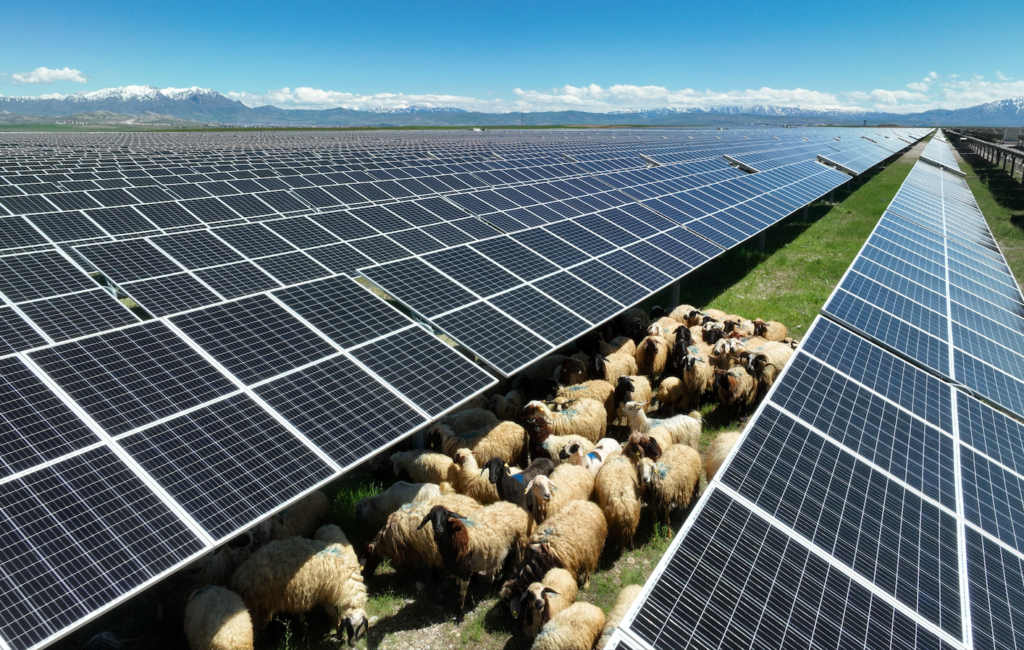
Projects like this are part of a growing movement known as agrivoltaics. Photo credit: demirbaslperen/Shutterstock
If someone told you the newest employees at a Volkswagen factory had four legs and produced wool instead of paperwork, you’d probably think they were joking. But 100 sheep really have been given one of Europe’s most unusual jobs, and it turns out they’re doing far more than keeping the grass short.
Instead of mowing lawns or wandering through open fields, these unlikely workers spend their days beneath more than 31,000 solar panels, helping to maintain one of Europe’s largest industrial solar farms while playing a surprising role in scientific research. The project is taking place at Volkswagen’s Września factory in Poland, where the company has found an unusual way to combine renewable energy, farming and environmental research without the sheep even realising they’re part of the plan.
More than just nature’s lawnmowers
At first glance, it might look like the flock has been brought in simply to keep the grass under control, that’s certainly part of the job. Instead of noisy petrol-powered machinery, the sheep naturally graze the vegetation growing beneath the solar panels, helping keep it at the right height without damaging cables or equipment.
The approach also cuts fuel use, reduces maintenance costs and avoids the disturbance that regular mowing can cause, but that’s only half the story. Researchers are also studying how the sheep interact with the solar farm and what effect the unusual environment has on both the animals and the land around them.
A giant outdoor laboratory
The solar installation stretches across around 27 hectares and includes more than 31,000 photovoltaic panels, capable of producing up to 18.3 megawatts of electricity. On bright summer days, the installation can generate enough power to meet the factory’s entire electricity demand. Over the course of a year, it supplies around a quarter of the site’s energy needs.
For scientists, however, the solar farm has become something much more than an energy project. Researchers from the Poznań University of Life Sciences are monitoring biodiversity, soil quality, vegetation growth and the microclimate created beneath the panels, they’re also keeping a close eye on the sheep themselves.
Why the sheep matter
One question researchers hope to answer is whether the shade created by thousands of solar panels helps protect sheep from extreme summer temperatures. With heatwaves becoming more common across Europe, understanding how livestock cope with rising temperatures is becoming increasingly important.
The project could help show whether solar farms can offer benefits beyond clean energy by creating cooler grazing areas for animals while supporting wildlife and improving the health of the surrounding land. If successful, the findings could encourage similar projects elsewhere in Europe, allowing farmers and renewable energy companies to share the same land instead of competing for it.
A win for animals and renewable energy
Projects like this are part of a growing movement known as agrivoltaics, where agriculture and solar energy work side by side. Rather than fencing animals out of solar farms, they’re invited in.
The sheep keep the grass under control naturally, reducing the need for machinery, while the land continues to serve an agricultural purpose. At the same time, scientists gain valuable information about biodiversity, ecosystems and animal welfare in changing climates, Ii’s a simple idea, but one that could have far-reaching benefits.
The employees who work for grass
While most workers expect a salary, lunch breaks and annual leave, these four-legged recruits seem perfectly content with fresh grass and the occasional shady spot beneath a solar panel. They’ll never attend a meeting or answer an email, but they may end up making an important contribution to the future of renewable energy.
For visitors, they’re an unexpected sight among rows of gleaming solar panels. For researchers, they’re helping answer important questions about farming, biodiversity and climate resilience. And for the sheep themselves? It’s probably just another day at work.
Follow Euro Weekly News on Google News
Get breaking news from Spain, travel updates, and expat stories directly on your Google News feed.
Follow on Google NewsSign up for personalised news
Subscribe to our Euro Weekly News alerts to get the latest stories into your inbox!
By signing up, you will create a Euro Weekly News account if you don't already have one. Review our Privacy Policy for more information about our privacy practices.


Molly Grace
Molly is a British journalist and author who has lived in Spain for over 25 years. With a background in animal welfare, equestrian science, and veterinary nursing, she brings curiosity, humour, and a sharp investigative eye to her work. At Euro Weekly News, Molly explores the intersections of nature, culture, and community - drawing on her deep local knowledge and passion for stories that reflect life in Spain from the ground up.
Comments