Murcia declares war on pigeons as growing flocks drive neighbours to despair
By Molly Grace • Published: 27 Jul 2026 • 23:09 • 3 minutes read
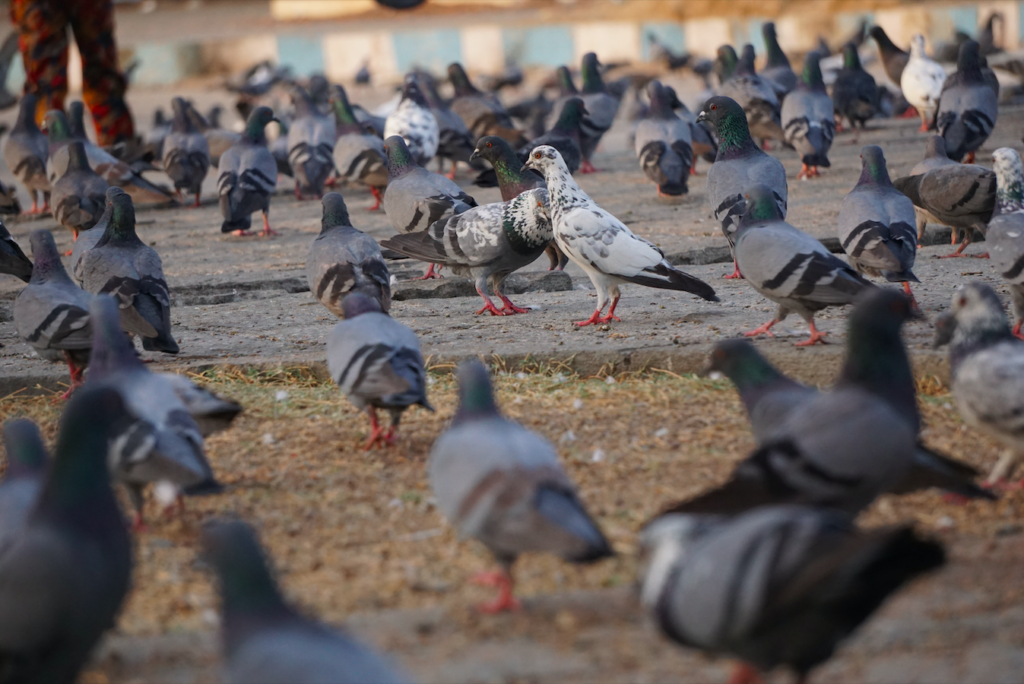
The pigeons have dismissed the council's claims. Photo credit: K Arun Singh/Shutterstock
The last time humans declared war on birds was in Australia, 1932. Famously known as the ‘Emu War’ The target was thousands of emus destroying farmland and, despite sending in soldiers armed with machine guns, the campaign ended in embarrassment after the birds largely outmanoeuvred the military (no, im not joking)! Murcia, however, is hoping history won’t repeat itself.
This time there are no machine guns involved; instead, the city council has opted for a rather different, and much safer, approach by urging residents to stop feeding the pigeons, or, in other words, siege warfare. By creating a blockade and cutting off their main food supply, officials hope to bring the growing population under control. Some of you may be wondering why this is even necessary, but the soaring number of pigeons has apparently left some neighbours at breaking point, with complaints over noise, droppings and damage to buildings continuing to mount.
A growing problem taking fight…I mean flight
The council has launched a new awareness campaign carrying the message: “Feeding them doesn’t help them, it harms us all.” Posters are being installed across the city to explain why leaving food for pigeons is contributing to an uncontrolled increase in their population and the problems that come with it. The pigeons, however, have described the councils approach as ”propaganda”, insisting the campaign’s claims are nothing more than fake news.
According to the council, many people feed pigeons believing they are helping hungry animals, but the extra food encourages larger flocks to settle permanently in urban areas. As numbers grow, so do complaints about droppings, noise, damage to buildings and concerns over hygiene. For neighbours living in affected areas, it is becoming an issue that extends far beyond a few birds gathering in a square.
Historic buildings and public spaces affected
Murcia City Council says excessive pigeon populations can damage historic buildings and monuments, with their droppings accelerating the deterioration of stonework, roofs and street furniture. Cleaning costs also rise as larger flocks leave pavements, benches and public spaces covered in waste.
Officials also warn that concentrating large numbers of pigeons in one place disrupts the natural balance of urban wildlife while increasing sanitation problems throughout the city. Rather than relying solely on population control measures, the council believes preventing people from feeding the birds is one of the most effective long-term solutions.
Education before enforcement
Councillor for Social warfare (I sneaked that one in) Family and Health Pilar Torres said the campaign is intended to inform rather than punish. While Murcia’s municipal ordinance already prohibits feeding animals in public when it creates a risk to public health, the council says its immediate priority is changing habits through education.
The campaign forms part of Murcia’s Municipal Pigeon Control Programme, which the council says follows technical, scientific and animal welfare criteria to keep pigeon numbers at sustainable levels without causing unnecessary harm to the birds.
Falcons as a reinforcement
The awareness/siege campaign is not the only measure being used. Murcia is continuing Project Falco, first introduced in 2023, which uses fully trained and equipped angry peregrine falcons as a natural way of traumatising and dispersing pigeon flocks across the city.
Four additional troops have now joined the programme through agreements with authorised breeding centres, strengthening the city’s tactics and efforts to control pigeon numbers using natural predators rather than more aggressive methods.
A city divided over good intentions
The debate is unlikely to disappear overnight, many residents continue to see feeding pigeons as a harmless gesture, while others argue the growing flocks are affecting everyday life and damaging the city’s appearance. Murcia City Council hopes its latest campaign will persuade people that leaving bread and food scraps behind is not helping the birds at all.
Instead, officials say, it is encouraging a cycle that allows pigeon numbers to keep growing, creating more problems for residents, more pressure on public services and more damage to the city itself. As frustration among neighbours continues to build, the message from the council is clear: if Murcia wants fewer pigeons, the first step is putting away the breadcrumbs.
Follow Euro Weekly News on Google News
Get breaking news from Spain, travel updates, and expat stories directly on your Google News feed.
Follow on Google NewsSign up for personalised news
Subscribe to our Euro Weekly News alerts to get the latest stories into your inbox!
By signing up, you will create a Euro Weekly News account if you don't already have one. Review our Privacy Policy for more information about our privacy practices.





Molly Grace
Molly is a British journalist and author who has lived in Spain for over 25 years. With a background in animal welfare, equestrian science, and veterinary nursing, she brings curiosity, humour, and a sharp investigative eye to her work. At Euro Weekly News, Molly explores the intersections of nature, culture, and community - drawing on her deep local knowledge and passion for stories that reflect life in Spain from the ground up.
Comments