AI is buying up old books and readers may never see them again
By Elli Freeman • Published: 28 Jul 2026 • 10:33 • 3 minutes read
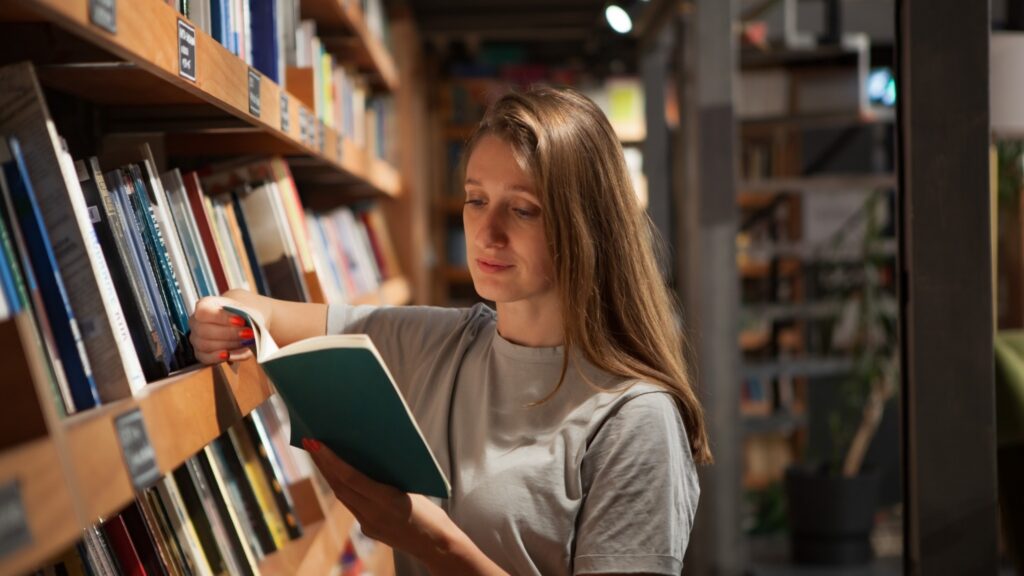
Second hand books may be becoming valuable sources of text for artificial intelligence systems. Credit: Shutterstock / Yana Gavriloski
A forgotten local history or out of print cookery book may sit for years in a second hand bookshop. Now, readers in Britain and Spain are being urged to look again at the titles gathering dust on those shelves.
El País reports that booksellers around the world have detected bulk purchases of out of print books by technology companies seeking material to train artificial intelligence systems. The buyers are not after first editions or display copies. They want text that has never been properly digitised.
The strange book orders raising alarm in Spain
Marçal Font, who runs the Fènix second hand bookshop in Badalona near Barcelona, first noticed the pattern in a set of unusual online orders.
One buyer purchased four books for €35 but paid €67 for delivery. Another order arrived moments later, again with a delivery charge far higher than the value of the book. The titles were specialist and slow moving, rather than books likely to be wanted by an ordinary reader.
An investigation by El País found that purchases had been made through Canadian second hand reseller ZoomBooks and routed through logistics companies in the United States. Booksellers and researchers believe the books are being acquired for digitisation and AI training. The final technology company behind individual orders is often not known.
Their concern is for books that are easy to overlook but difficult to replace. Local histories, technical manuals, regional cookbooks and small run studies may have little commercial value, yet contain information unavailable elsewhere.
Why old books are valuable to AI companies
AI systems need vast amounts of written material. Old books provide edited text, specialist terminology and subjects that may never have been published online.
This is where the story becomes relevant far beyond Spain. Britain and Spain both have thousands of charity shops, market stalls and independent bookshops selling titles that have disappeared from mainstream bookshops. A local guide, a family history or an obscure reference book may be of little interest to most buyers, but vital to the person trying to research a place, a trade or a relative.
If those books are scanned and destroyed, the information may still exist inside an AI system. That does not mean the book remains accessible. Readers cannot browse a training database, turn to a page or check whether a chatbot has accurately represented what the author wrote.
The US court ruling that put the practice in focus
The issue emerged during a copyright case involving Anthropic, the company behind the Claude AI system.
In June 2025, a US federal judge ruled that Anthropic’s scanning of lawfully purchased print books into searchable digital copies could count as fair use under American copyright law. The ruling noted that the company had bought the books, replaced them with digital copies and did not make those copies available to the public.
It was not a blanket victory for Anthropic. The ruling did not excuse the company’s use of pirated books, which remained a separate copyright issue.
Nor does the decision automatically apply in Spain or elsewhere in Europe.
What the rules say in Spain
Spain permits text and data mining in certain circumstances where works have been accessed lawfully. Authors and publishers can also expressly reserve their works from that use.
The legal position depends on how a book was obtained, what was done with it and whether the rights holder has made such a reservation. Buying a book does not automatically mean a company can use its contents in any way it chooses.
For many people, this will come down to a simple point. A book can be commercially unfashionable and still matter. It may be a record of a town, an industry, a recipe, a family or a way of life. If those books increasingly become raw material for private AI systems, finding and checking the original could become much harder.
Follow Euro Weekly News on Google News
Get breaking news from Spain, travel updates, and expat stories directly on your Google News feed.
Follow on Google NewsSign up for personalised news
Subscribe to our Euro Weekly News alerts to get the latest stories into your inbox!
By signing up, you will create a Euro Weekly News account if you don't already have one. Review our Privacy Policy for more information about our privacy practices.





Elli Freeman
Originally from the UK, Elli has lived in Spain for more than half of her life. She holds a B.A in English Literature and Creative Writing. Before joining the Euro Weekly News team, Elli was an avid traveller, with a keen interest in exploring new cultures.
Comments