Premature baby born at just 24 weeks has sight saved by Spanish doctors
By Molly Grace • Published: 17 Aug 2026 • 22:59 • 3 minutes read
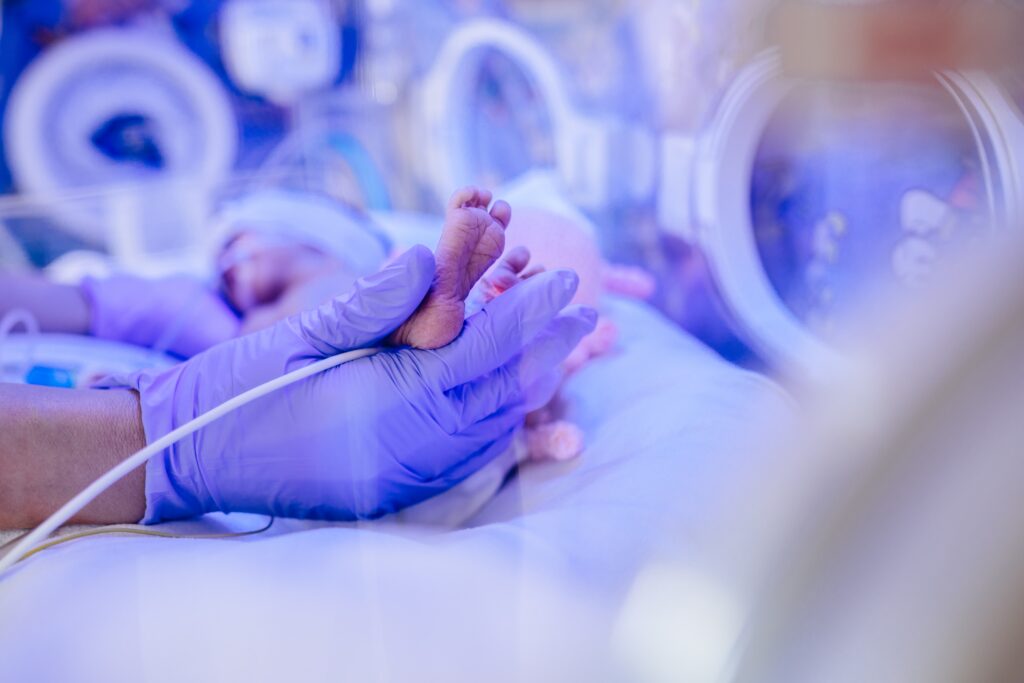
Retinopathy of prematurity is one of the major causes of childhood blindness. Photo credit: Iryna Inshyna/Shutterstock
A baby born so early that every day of survival mattered was facing another devastating battle, the possibility of losing its sight. Born at just 24 weeks, the premature baby developed a serious eye condition that can lead to permanent blindness, but doctors in Elche managed to intervene before the damage became irreversible.
The baby was suffering from severe retinopathy of prematurity (ROP), a condition affecting the developing blood vessels in the retina. In serious cases, it can cause the retina to detach and result in permanent loss of vision. Specialists at the Hospital General Universitario de Elche treated the baby with a highly specialised procedure designed to stop the abnormal blood-vessel growth before it could cause irreversible damage.
A race to protect the baby’s sight
Being born at 24 weeks meant the baby’s eyes were still developing when it entered the world. The blood vessels in the retina normally continue developing during the final stages of pregnancy. Extremely premature birth interrupts that process and can leave the retina vulnerable to abnormal blood-vessel growth. In severe ROP, those vessels can damage the retina and eventually cause it to detach.
That was the danger facing the baby in Elche, doctors identified the condition and were able to intervene while treatment could still prevent permanent damage. The hospital says the intervention preserved the baby’s visual function, avoiding the loss of sight that can occur when severe ROP progresses untreated.
Highly specialised treatment
The treatment involved an intraocular injection of an anti-VEGF biological drug. The medication works by reducing the signals responsible for abnormal blood-vessel growth in the retina. By controlling that growth, doctors can reduce the risk of further damage and retinal detachment.
Although the injection is minimally invasive, carrying it out on a baby born at only 24 weeks presented significant challenges. The patient was extremely fragile and required specialist neonatal care before, during and after the procedure. The hospital therefore brought together its Ophthalmology Department and Neonatal Intensive Care Unit for the intervention.
Protecting a fragile patient
Ophthalmologists Cristian Fernández and Manuel Baeza performed the eye procedure, while paediatrician Consuelo Vázquez and the neonatal intensive-care team were responsible for preparing and monitoring the baby. The team used a specific neonatal intensive-care protocol and a micro-dosing system to administer the medication.
The baby’s condition meant that the procedure could not simply be treated as a routine eye injection. Its extremely premature birth and very low weight required careful monitoring throughout. The cooperation between the specialist teams allowed doctors to treat the eye problem while maintaining the level of intensive care required by such a vulnerable patient.
A condition that can steal a child’s sight
Retinopathy of prematurity is one of the major causes of childhood blindness, fortunately it is preventable It occurs primarily in babies born very prematurely because their retinal blood vessels have not completed their normal development. Some cases are mild and resolve without treatment. More severe cases require close monitoring and intervention to prevent permanent damage.
That makes screening particularly important for babies born at very low gestational ages. In this case, doctors were able to detect the problem and act before the retina suffered irreversible damage. The successful intervention means the baby has avoided one of the most serious consequences associated with severe ROP.
What happens now?
The treatment does not mean the baby’s medical journey is over, extremely premature babies often require continued specialist monitoring, and babies treated for ROP need follow-up examinations to check how the retina develops and ensure there are no further complications. For this child, however, doctors have achieved the outcome that mattered most: protecting its sight during the earliest and most vulnerable stage of life.
The case also demonstrates the importance of specialist neonatal and ophthalmological care for babies born at the limits of viability. A child who arrived at just 24 weeks was facing the possibility of permanent blindness on top of the many challenges associated with extreme prematurity.
Doctors in Elche have now stopped that threat before it could become irreversible. For the family, the intervention means their baby can continue growing with its visual function preserved, something that could have been very different without timely specialist treatment.
Follow Euro Weekly News on Google News
Get breaking news from Spain, travel updates, and expat stories directly on your Google News feed.
Follow on Google NewsSign up for personalised news
Subscribe to our Euro Weekly News alerts to get the latest stories into your inbox!
By signing up, you will create a Euro Weekly News account if you don't already have one. Review our Privacy Policy for more information about our privacy practices.




Molly Grace
Molly is a British journalist and author who has lived in Spain for over 25 years. With a background in animal welfare, equestrian science, and veterinary nursing, she brings curiosity, humour, and a sharp investigative eye to her work. At Euro Weekly News, Molly explores the intersections of nature, culture, and community - drawing on her deep local knowledge and passion for stories that reflect life in Spain from the ground up.
Comments