Cool off or face a heavy penalty. Why a summer dip in the Rhine could land you in hot water
By Lucy Ramnought • Published: 20 Aug 2026 • 14:41 • 1 minute read
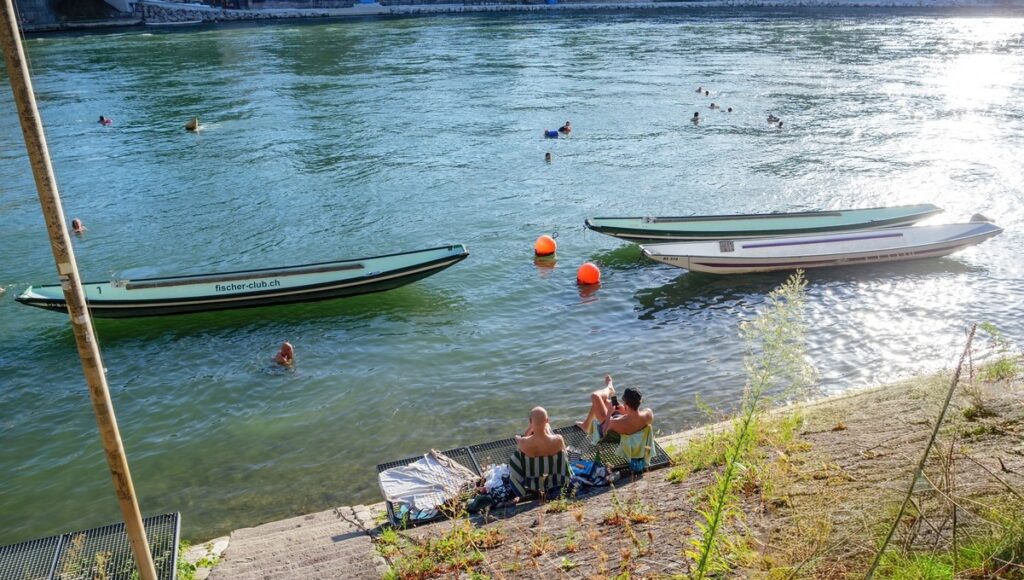
Bathing in the Rhine Credit:Hadrian / Shutterstock.com
Sweltering heatwaves across Europe leave millions desperate for a refreshing escape, yet taking a plunge into one of the continent’s most famous rivers could cost you a fortune depending on which side of the border you stand.
A tale of two borders
Picturesque scenes in Basel show city workers drifting down the Rhine floating with colourful waterproof bags called Wickelfisch. Thousands of locals gathered for the annual mass river event, floating down a two-kilometre stretch while commercial boat traffic was temporarily halted.
Cross into neighbouring territory just a few hundred metres downstream and the legal picture transforms instantly. German local authorities enforcing strict public rules issue fines reaching up to €1,000 for anyone caught entering the water in Cologne and Düsseldorf.
Why the different rules
Industrial shipping dictates daily life along German stretches of the river. Heavy modification of the riverbed created stone groynes sticking out from banks, which generate invisible, powerful whirlpools that instantly drag swimmers toward massive commercial barges.
Swiss authorities took an entirely different route by investing in public safety infrastructure following a chemical warehouse fire in 1986. Local leaders installed dedicated infrastructure rather than slapping blanket bans on residents.
How much can you get fined
Crossing the border changes the legal picture instantly, as German local authorities in major cities like Düsseldorf and Neuss hit illegal swimmers with hefty fines reaching up to €1,000. Driven by tragic drowning incidents along commercial shipping lanes, local rules treat dipping into the Rhine as a major violation rather than a summer luxury, the complete opposite to Swiss urban stretches where local safety measures welcome swimmers into the water to cool off.
Reclaiming natural spaces for urban dwellers
Campaigners belonging to networks like the Swimmable Cities European Forum argue that administration must evolve. Activists fighting to transform Berlin’s Spree Canal into a natural bathing site point out that historic cities previously maintained secured river pools before commercial shipping took total priority. European capitals including Paris, Rotterdam, and Amsterdam continue exploring new ways to safely return urban waterways back to the public.
Well worth checking the rules before you pop on your swimmers to take a dip.
Follow Euro Weekly News on Google News
Get breaking news from Spain, travel updates, and expat stories directly on your Google News feed.
Follow on Google NewsSign up for personalised news
Subscribe to our Euro Weekly News alerts to get the latest stories into your inbox!
By signing up, you will create a Euro Weekly News account if you don't already have one. Review our Privacy Policy for more information about our privacy practices.




Lucy Ramnought
Lucy Ramnought is a local news writer and mother of 4 from the UK who has lived in the Costa Del Sol for just over 4 years. With a background in content writing and social media for various companies, and with vast experience in PA and project management, Lucy is committed to producing accurate, engaging and reliable stories to her work at Euro Weekly News.
Comments