Jerez Zoo closes after two birds die from West Nile virus as health alert is declared
By Lucy Ramnought • Published: 20 Aug 2026 • 10:09 • 2 minutes read
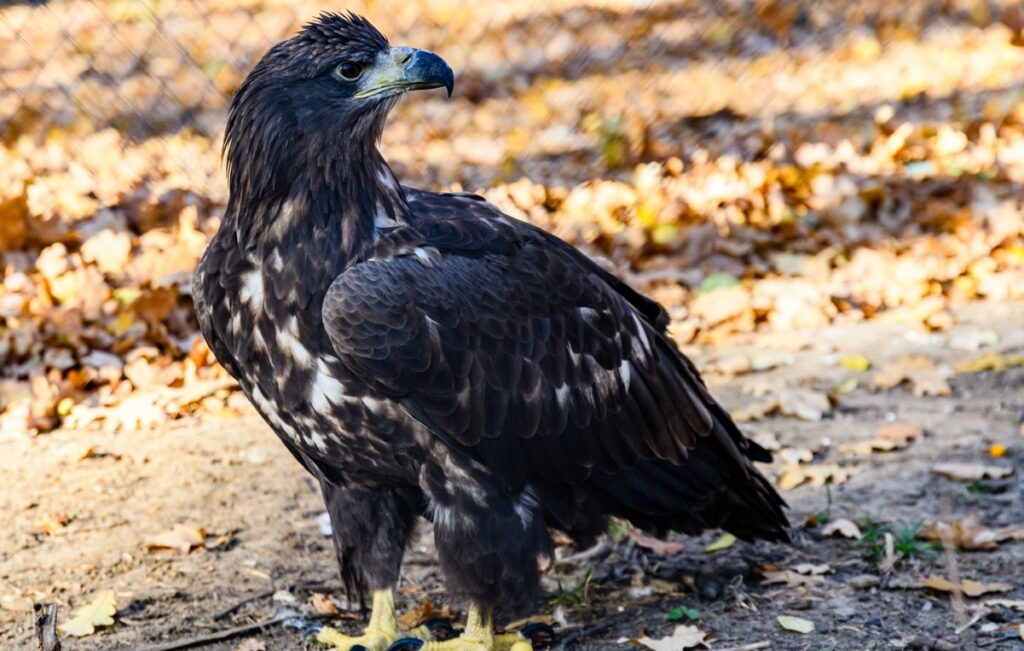
Two birds died from West Nile Virus Credit:Ihor Bondarenko/shutterstock
Visitors arriving at one of Jerez’s most popular family attractions have been met with an unexpected change, forcing holidaymakers and residents to rethink plans.
Why has Jerez Zoo closed?
Jerez’s Zoobotanico Alberto Duran was closed temporarily on Wednesday, August 19, after an elderly golden eagle and a cassowary died, both had tested positive for West Nile virus. Authorities began preventive measures across the facility after the eagle’s positive result, while further veterinary surveillance led to the discovery of the second suspected case. Jerez’s Animal Protection delegate, Carmen Pina, described the cases as isolated and said the response was being coordinated with the Junta de Andalucia’s agriculture and health authorities.
Current reports do not indicate that other zoo animals have tested positive. The facility already had a surveillance system for West Nile virus, including sentinel geese monitored by the Andalucian Agency for Agrarian and Fisheries Management, known as AGAPA. Twelve geese are sampled approximately every 45 days, and the latest reported results were negative.
West Nile virus is primarily transmitted by mosquitoes. Birds can carry the virus, allowing mosquitoes to acquire it before transmitting it through subsequent bites. The infected birds are not regarded as a direct source of infection for zoo visitors. Public-health measures are therefore concentrating on mosquito surveillance and control rather than direct contact between people and the affected animals.
Jerez placed under West Nile alert
Following the two positive birds, the Junta de Andalucia has declared Jerez an area on alert for West Nile fever. The initial alert period is scheduled to run from August 19 until September 16, although it can be extended if further evidence of circulation is detected. Jerez will subsequently remain subject to a high-risk classification under the regional surveillance programme.
Jerez City Council and the Junta de Andalucia are implementing a joint response focused on mosquito surveillance and control. Measures include adult mosquito treatment, larval control and monitoring around the affected area. Residents are also being asked to eliminate standing water, which can provide breeding areas for mosquitoes. Local information estimates that approximately 80 per cent of potential mosquito breeding sites are on private property.
What does the closure mean for visitors?
The Zoo remains closed while the health and veterinary response continues. No reopening date has been announced in the latest reports. People planning a visit specifically to the zoo should check its official channels before travelling, as the closure could continue if further surveillance detects West Nile activity. The zoo’s website currently lists the facility as closed for technical reasons on August 19 and 20
For visitors staying elsewhere in Jerez, the immediate issue is awareness of the mosquito-control measures rather than access to the zoo itself. Authorities continue to monitor the situation and can extend the alert period if additional cases are identified.
Follow Euro Weekly News on Google News
Get breaking news from Spain, travel updates, and expat stories directly on your Google News feed.
Follow on Google NewsSign up for personalised news
Subscribe to our Euro Weekly News alerts to get the latest stories into your inbox!
By signing up, you will create a Euro Weekly News account if you don't already have one. Review our Privacy Policy for more information about our privacy practices.




Lucy Ramnought
Lucy Ramnought is a local news writer and mother of 4 from the UK who has lived in the Costa Del Sol for just over 4 years. With a background in content writing and social media for various companies, and with vast experience in PA and project management, Lucy is committed to producing accurate, engaging and reliable stories to her work at Euro Weekly News.
Comments