Tragic twist after Spanish farmer survives attack by his own bull
By Molly Grace • Published: 23 Aug 2026 • 18:12 • 3 minutes read
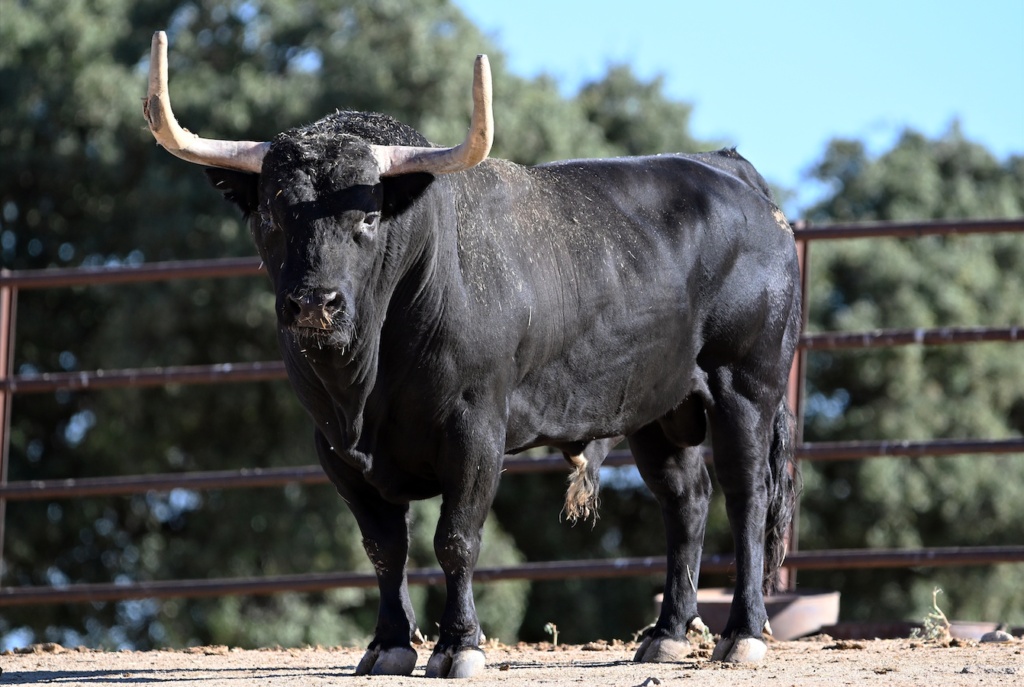
His condition did not initially point towards the eventual outcome. Photo credit: alberto clemares exposito/Shutterstock
Owning a farm may have been a dream for many of us at some point, but life surrounded by livestock is not always as easy as it looks. A 58-year-old farmer in northern Spain has died after being gored by one of his own bulls, surviving the initial attack before his condition deteriorated in hospital and he developed a bacterial infection in intensive care.
The farmer, from Llerana in Saro, Cantabria, was attacked on August 6 while handling the animal on his family’s farm. He was badly injured but managed to secure the bull before he was found and taken to hospital.
The attack happened while he was giving the bull water
The incident occurred at around 07.38pm on August 6, according to information from the 112 Cantabria emergency service. Municipal sources report that the farmer had released the bull so it could drink water when the animal attacked him. Despite suffering serious injuries, he managed to tie the bull up again.
He could not, however, get himself out of the area or call for assistance. His brother eventually found him after becoming concerned that he had not started the day’s milking. The family owns 80 head of cattle, and the farmer’s absence from that work was unusual enough for his brother, who is also a councillor in Saro, to go looking for him.
Cattle farmers are the backbone of rural Spain
Cattle farming is far more than a source of food for Spain. Across rural areas, livestock holdings support families, local businesses and entire communities, with farmers working every day to care for their animals regardless of the season or weather.
Spain has around 6.5 million cattle, with approximately 110,000 cattle-producing establishments across the country, according to the Ministry of Agriculture. The beef sector accounts for around 15 per cent of the value of Spain’s final livestock production, underlining its importance to the wider agricultural economy.
For families who depend on livestock, however, the work is intensely personal. Feeding, milking, checking animals and dealing with emergencies are responsibilities that cannot simply be put aside. When a farmer dies, the loss can therefore affect not only relatives but also the future of the farm, the livelihood and community built around it.
Emergency crews were sent to the farm
The 112 emergency coordination centre mobilised the 061 service after receiving the alert. An advanced life-support ambulance travelled to the property, where medical staff treated the injured farmer before taking him to Hospital Universitario Marqués de Valdecilla in Santander.
The hospital is one of Cantabria’s main medical centres and was where the farmer remained under treatment for approximately two weeks. His condition initially improved, according to the reports. That improvement was followed by a serious complication while he was in intensive care.
A bacterial infection developed in the ICU
The man subsequently developed a bacterial infection during his stay in the intensive care unit. The available reports do not identify the bacterium involved or provide further medical details about the infection. They also do not establish that the bacteria came from the bull or that the infection was caused directly by the injuries sustained during the attack.
His health deteriorated after the infection developed and he ultimately died following around two weeks of hospital treatment. The circumstances indicate that the initial injuries and the later infection form two separate parts of the reported medical history. The farmer survived the attack long enough to reach hospital and showed signs of improvement before the infection complicated his recovery.
Llerana mourns his loss
The man passed away this week, with the funeral taking place on Friday, August 21, at the parish church of San Lorenzo in Llerana. His death has left his family dealing with the loss of someone who was part of the local community and a much loved local.
For those closest to him, the circumstances changed considerably after his first few days in hospital. He had survived the attack, received emergency treatment and initially showed signs of improvement we lead to hopes that he would we be returning home. His later infection in intensive care brought a different outcome when heartbreakingly the 58-year-old never returned to his farm.
Follow Euro Weekly News on Google News
Get breaking news from Spain, travel updates, and expat stories directly on your Google News feed.
Follow on Google NewsSign up for personalised news
Subscribe to our Euro Weekly News alerts to get the latest stories into your inbox!
By signing up, you will create a Euro Weekly News account if you don't already have one. Review our Privacy Policy for more information about our privacy practices.


Molly Grace
Molly is a British journalist and author who has lived in Spain for over 25 years. With a background in animal welfare, equestrian science, and veterinary nursing, she brings curiosity, humour, and a sharp investigative eye to her work. At Euro Weekly News, Molly explores the intersections of nature, culture, and community - drawing on her deep local knowledge and passion for stories that reflect life in Spain from the ground up.
Comments