La Vuelta 2026 goes from sea to summit as it puts Vera and Calar Alto on the world stage
By Harry Dennis • Published: 25 Aug 2026 • 16:59 • 3 minutes read
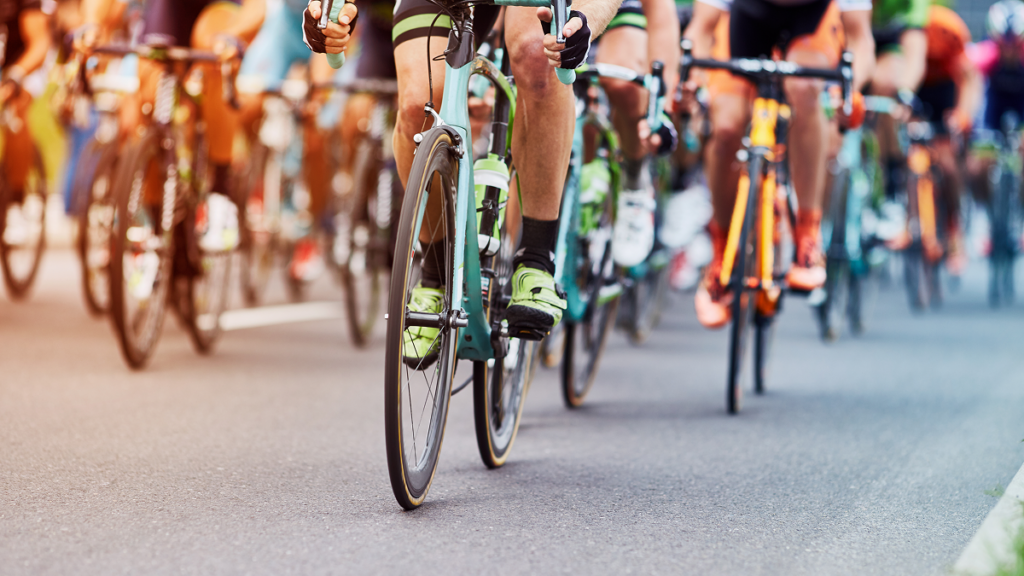
Riders will battle it out for position during the climb to Calar Alto. Credit: baranq / Shutterstock
Cyclists will swap sea views for star-gazing as Spain’s biggest race turns Vera’s coastline into the start of one of its hardest climbs of the year. Twenty towns along the route to Calar Alto are bracing for road closures, crowds and a rare turn in the global spotlight.
A 167km mountain stage from Almería’s coast to its highest finish
Stage 12 of the 2026 Vuelta a España sets off from Vera on Thursday September 3, covering 167 kilometres before finishing beside the Calar Alto observatory, more than 2,100 metres above sea level. Riders face four categorised climbs before the final ascent even begins: the Alto del Cabecico, the Alto de Cóbdar, the Collado García and the Alto de Velefique, a 13.1km ramp averaging a 7.2 per cent incline. Altogether the stage packs in more than 4,500 metres of climbing, with the neutralised start at 1.07pm and the winner expected across the line by around 5.15pm.
Twenty towns get ready for road closures on the big day
The route threads through roughly 20 municipalities between Vera and Calar Alto, including Antas, Zurgena, Arboleas, Albox, Tabernas and Olula de Castro. Drivers in the area should expect diversions and temporary closures through the afternoon as the race passes.
Preparations are already under way in anticipation. The Diputación de Almería has resurfaced around 1,000 metres of the provincial road linking Arboleas and Zurgena, which had deteriorated badly despite carrying heavy daily traffic between the two towns, ensuring it is ready in time for the race.
A brand-new €340,000 road built for the finish line itself
The Diputación announced on Tuesday August 25, that it has just finished resurfacing the A-1178, the regional road that carries traffic up to Calar Alto observatory itself from Gérgal, Bacares and Olula de Castro. The €340,000 job covered 4.15km of fresh asphalt, 9,000 metres of redrilled drainage ditches and repainted road markings.
The work was planned before Almería learned it would host the finish, but Diputación president José Antonio García Alcaina said it mattered for two main reasons: it improves everyday access to one of Europe’s leading observatories, and it means the newly resurfaced road makes its public debut carrying one of cycling’s toughest climbs.
Local leaders see the stage as a rare shot at global exposure
For Vera’s mayor, Alfonso García, hosting the start is about more than a single afternoon of racing. He has said the race helps project the municipality to international audiences who will discover its beaches, heritage and gastronomy. The head of Almería’s Diputación, José Antonio García Alcaina, also described the province’s ability to move from coastline to high mountain within a single stage as proof of its contrast and appeal. La Vuelta’s director general, Javier Guillén, has called it one of the toughest tests in this year’s route, pointing to the province’s hotel capacity and road network as reasons it can handle the pressure. The previous edition of the race drew more than 570 million video views across its official platforms, a scale of exposure few local promotional campaigns could match.
A brutal final climb built to decide the race
The Calar Alto ascent itself runs 16.9km at an average gradient of 5.6 per cent, but its final kilometre ramps up to around 10 per cent. Cycling previews of this year’s route have singled out that closing stretch as the likely spot for the overall race lead to change hands.
Reigning favourite Tadej Pogačar heads the field expected to contest the stage, alongside riders including Richard Carapaz and Enric Mas. With a summit finish this high coming in the second week of racing, fatigue as much as pure climbing power is expected to decide who cracks first.
The finish line sits beside one of Europe’s biggest telescopes
Calar Alto is better known to scientists than sports fans. The observatory, run jointly by Spain’s National Research Council and the regional government since Germany’s withdrawal in 2019, houses the largest telescope on the European mainland, a 3.5-metre reflector.
Its astronomers have made genuine discoveries, including the first images anywhere of the 1994 collision between comet Shoemaker-Levy 9 and Jupiter, and the 2019 detection of potentially habitable planets orbiting a small star just 12.5 light years away. However, for one afternoon in September, its silver domes will share the spotlight with the world’s top cyclists.
Follow Euro Weekly News on Google News
Get breaking news from Spain, travel updates, and expat stories directly on your Google News feed.
Follow on Google NewsSign up for personalised news
Subscribe to our Euro Weekly News alerts to get the latest stories into your inbox!
By signing up, you will create a Euro Weekly News account if you don't already have one. Review our Privacy Policy for more information about our privacy practices.


Harry Dennis
Born in the UK and raised on the Cádiz coast, Harry brings his background in design, music, and photography to his writing for Euro Weekly News, sharing stories that celebrate culture and lifestyle across Spain and beyond.
Comments