The five Alicante towns where foreign buyers now outnumber Spanish ones nine to one
By Harry Dennis • Published: 01 Sep 2026 • 12:27 • 3 minutes read
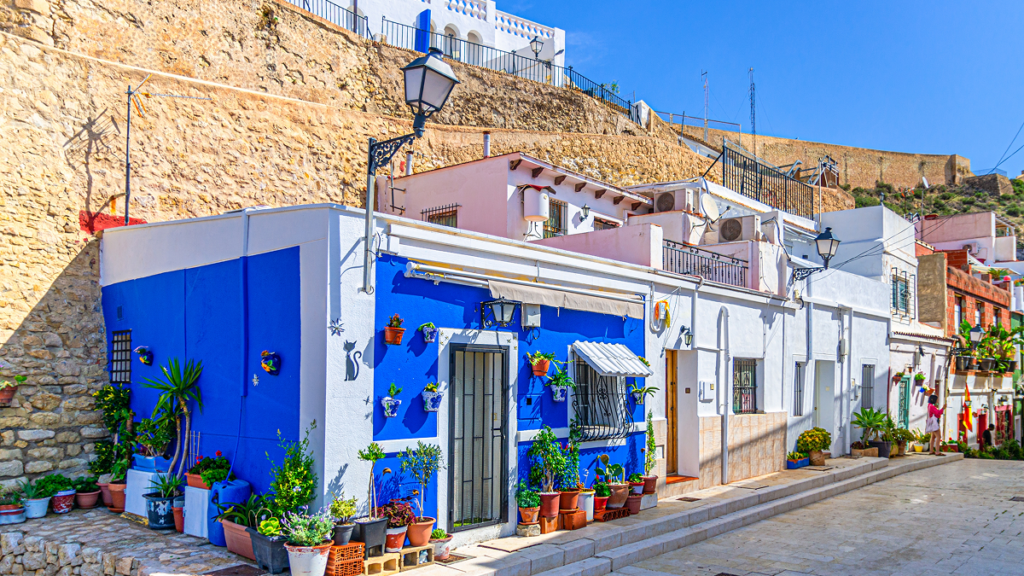
Foreign buyers are increasingly outnumbering Spanish ones in property sales. Credit: Aliaksandr Antanovich / Shutterstock
Only 49 of the 528 homes sold in San Miguel de Salinas over the past year went to a Spanish buyer, and several of its Vega Baja neighbours are not far behind. Notary records show a run of small Costa Blanca towns where buying local has quietly become the unusual choice.
San Miguel de Salinas: nine in ten buyers now come from abroad
San Miguel de Salinas sold 528 homes between June 2025 and May 2026, and just 49 of them went to a Spanish buyer, according to notary records reported by Alicante Today. That puts the town’s foreign-buyer share above 90 per cent, the highest of any municipality in the province.
Another recent study showed that Alicante was already Spain’s top province for foreign buyer search interest, with northern Costa Blanca towns including Moraira, Benitachell and Benissa named as hotspots. However, that analysis only measured online search activity, not completed sales. The notary figures for the Vega Baja go further, tracking who actually completed a purchase, and show an even more one-sided market than search demand alone suggested.
The Vega Baja, the inland-and-coastal district of southern Alicante that includes San Miguel de Salinas, has long drawn British, Belgian and Nordic buyers to its golf resorts and low-rise urbanisations. What notary data now shows is how completely that demand has taken over some of its town halls’ property registers.
Rojales, Algorfa and the neighbours right behind
Rojales, home to the well-established expat hub of Ciudad Quesada, was next highest at 88.3 per cent foreign buyers. Algorfa followed on 87.2 per cent, with Benijófar on 82.6 per cent and San Fulgencio on 82.1 per cent.
That makes five Vega Baja municipalities where more than four in every five completed home sales over the past year went to a foreign buyer, according to the same notary figures. In each of them, a Spanish buyer signing at the notary’s office is now firmly the exception rather than the norm.
Even Orihuela and Torrevieja show the same pull
The pattern is not confined to small towns built around golf courses though. In Orihuela and Torrevieja, the province’s two largest coastal markets by population, foreign buyers accounted for 79 per cent and 78.1 per cent of sales respectively, close behind the smaller Vega Baja towns despite handling far higher transaction volumes.
Benidorm stands out as the genuine exception. Despite its long-standing reputation as one of Spain’s biggest draws for British and other foreign holidaymakers, just 38 per cent of home purchases there went to non-Spanish buyers, suggesting its high-rise apartment market still runs on largely different buyers to the Vega Baja’s villas and bungalows.
A similar shift has been showing up elsewhere on the coast. Foreign buyer interest recently overtook Spanish demand for the first time in three Málaga villages, Cómpeta, Frigiliana and Nerja, though that data tracked online searches rather than completed sales.
A wider price gap, not proof of who is driving it up
Foreign buyers across the areas covered by the data paid an average of €224,192 for their homes, against €143,296 for Spanish buyers, a gap of over 50 per cent. That difference reflects what each group tends to buy, and not evidence that foreign demand alone is pushing local prices higher. The figures sit alongside separate, province-wide data from the Consejo General del Notariado, the national body representing Spain’s notaries, putting Alicante’s overall foreign-buyer share at 51.52 per cent for the 12 months to April 2026. Alicante is currently the only Spanish province where foreign buyers outnumber Spanish ones.
Foreign sellers are cashing out too
Around 40 per cent of the sellers in these transactions were also foreign nationals, meaning much of this activity is an international reshuffling of who owns property in the Vega Baja rather than a straightforward transfer from Spanish owners to newcomers.
That detail complicates the straight-forward story about locals being priced out by outsiders. In towns where foreign buyers already made up the bulk of previous decades’ owners, a large share of today’s sales may be one long-term foreign resident’s home passing to the next, with Spanish buyers left further towards the margins of the market either way.
Follow Euro Weekly News on Google News
Get breaking news from Spain, travel updates, and expat stories directly on your Google News feed.
Follow on Google NewsSign up for personalised news
Subscribe to our Euro Weekly News alerts to get the latest stories into your inbox!
By signing up, you will create a Euro Weekly News account if you don't already have one. Review our Privacy Policy for more information about our privacy practices.




Harry Dennis
Born in the UK and raised on the Cádiz coast, Harry brings his background in design, music, and photography to his writing for Euro Weekly News, sharing stories that celebrate culture and lifestyle across Spain and beyond.
Comments