Moved to Spain? The electrical mistake many homeowners make without realising
By Adam Woodward • Published: 08 Sep 2026 • 11:03 • 2 minutes read
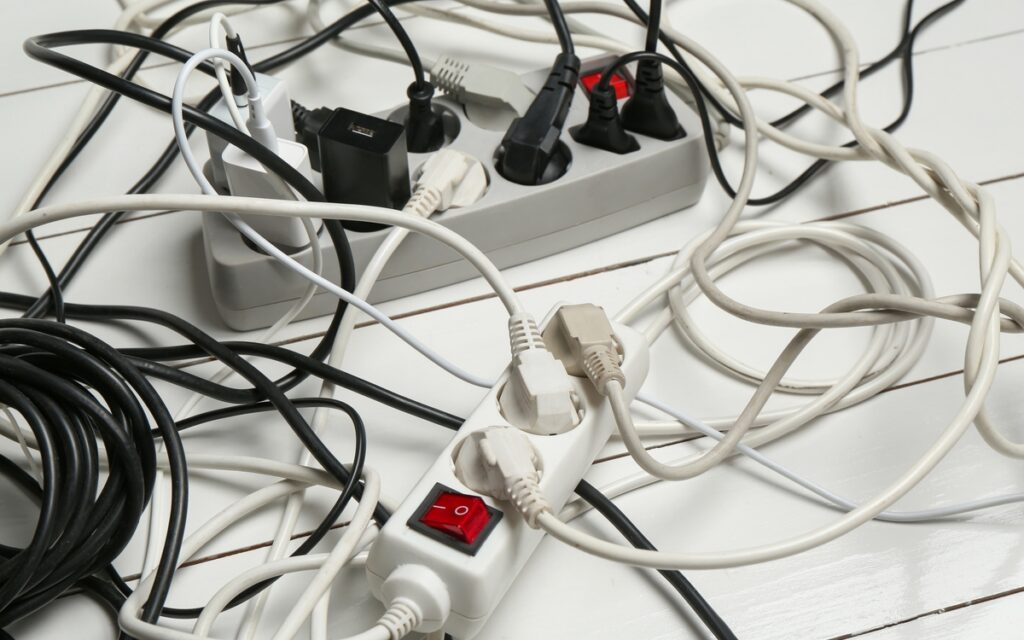
System overloaded in Spain. Credit: New Africa - Shutterstock
Moving to Spain often means getting used to different ways of doing everyday things, from driving and shopping to dealing with household utilities. Electricity can also bring a few surprises, particularly for homeowners arriving from the UK and assuming their new home works in much the same way.
Through summer it’s fans and portable air conditioning units, and as winter approaches, portable heaters come back out of storage. One familiar habit could create a fire risk: plugging a powerful appliance into an extension lead or multi-socket power strip simply because there is not a convenient wall socket nearby, and in older homes, plugs are often in short supply.
Why Spanish homes can be different
Electrical systems in Spain are not identical to those found in British homes, and newcomers may not always know what their sockets, plugs, circuits and protective devices are designed to handle.
Portable electric heaters can draw around 2,000 watts, placing a heavy demand on an electrical circuit. An extension lead or power strip must therefore be correctly rated for the appliance being connected to it.
Circuit breakers provide important protection, but they are not a guarantee against every form of overheating. A cable, plug or power strip can become dangerously hot because of damage, poor connections, inadequate ratings or overloading without necessarily causing the household breaker to trip immediately.
Spanish consumer guidance advises against overloading sockets and recommends checking plugs, cables and electrical installations for signs of damage.
As well, in summer months, the earth under country houses dries up and can often lead to poor earthing, making the issue even more serious.
Don’t chain extension leads together
One common mistake is connecting one extension lead or power strip to another to reach an appliance. Known as ‘daisy-chaining’, the practice can create additional points of resistance and increase the risk of overheating.
Keeping a cable tightly wound while carrying a heavy electrical load can also cause heat to build up. Damaged cables should never be repaired with makeshift solutions such as insulating tape and then returned to service.
High-powered appliances should ideally have their own suitable wall connection. Electric heaters, kettles, microwaves and air fryers can all draw substantial amounts of power, while washing machines and dishwashers should also be connected correctly rather than sharing the supply with other appliances and relying on overloaded extension equipment.
Watch for these warning signs
A burning-plastic smell is one of the clearest reasons to stop and investigate. Sparks, scorch marks, melted plastic, discolouration around a socket or a plug that feels unusually hot are other warning signs that should never be ignored.
Anyone spotting these problems should switch off the appliance if it is safe to do so and arrange for a qualified electrician to inspect the installation.
Knowing that a Spanish home is not necessarily set up exactly like a property back in Britain could prevent an innocent assumption from becoming a dangerous one. And while certain stores in Spanish towns may offer a much wider off-the-shelf selection and broader opening times, question the quality. Taking the time to struggle through pigeon Spanish in a ferreteria (hardware shop) will save you money and heartache in the future, getting the quality equipment.
Winter heating itself does not have to be a worry. Using the correct socket, avoiding overloaded power strips and replacing damaged electrical equipment are simple precautions that can help keep homes across Spain safe when temperatures drop.
Follow Euro Weekly News on Google News
Get breaking news from Spain, travel updates, and expat stories directly on your Google News feed.
Follow on Google NewsSign up for personalised news
Subscribe to our Euro Weekly News alerts to get the latest stories into your inbox!
By signing up, you will create a Euro Weekly News account if you don't already have one. Review our Privacy Policy for more information about our privacy practices.



Adam Woodward
Adam is a writer who has lived in Spain for over 25 years. With a background in English teaching and a passion for music, food, and the arts, he brings a rich personal perspective to his work at Euro Weekly News. As a father of three with deep roots in Spanish life, Adam writes engaging stories that explore culture, lifestyle, and the everyday experiences that shape communities across Spain.
Comments